
AI Trends and Care Insights — 2026년 8월 3일 업데이트
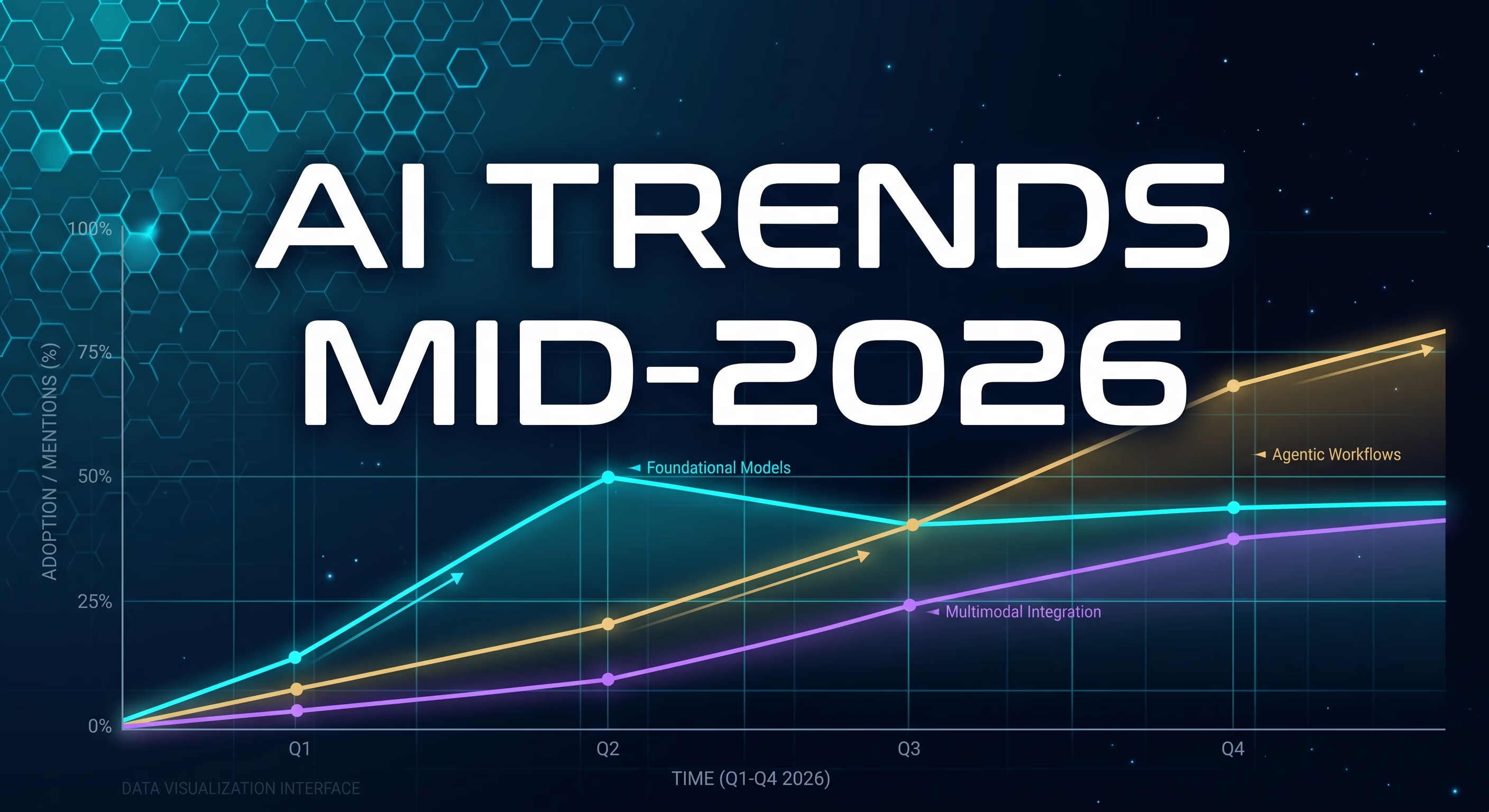
This week in AI, the focus is on the surge of "Agentic AI" and its transition into real-world applications. In postnatal and elderly care, we’re seeing fresh research on managing hormonal skin changes and the clear benefits of home-based care.
AI Research Trends and Postnatal/Elderly Care Summary — 2026-08-03
Top 10 AI Research Papers
-
Multi-Institutional Impact Analysis of AI on Employment Authors: Joint Research Team | Published: July 2026 The first comprehensive study tracking the real-world employment effects of corporate AI adoption, incorporating data through mid-2026.
-
Technical Paper: Meta Llama 4 Architecture and Training Authors: Meta AI Team | Published: July 2026 The full disclosure of Llama 4’s structure and methodology is sparking a new wave in open-source AI development and academic research.
-
Research on Agentic AI’s Direct Role in Scientific Discovery Authors: Microsoft AI Research Team | Published: 2026 Demonstrates that AI has entered a new phase in physics, chemistry, and biology, moving beyond mere summarization to direct participation in the actual discovery process.

- Qwen Surpasses Llama: H1 2026 AI Paper Trend Analysis Authors: AI Papers Academy | Published: July 1, 2026 An analysis of 170,927 arXiv papers suggests that the Qwen model has overtaken Llama, signaling that the Agentic AI boom is approaching its peak.

-
From Reactive to Proactive: The Agentic AI Paradigm Shift Authors: Switas Consultancy Research Team | Published: 2026 Analyzes the fundamental shift from generative AI to active "Agentic AI" as the most significant AI innovation of 2026.
-
2026 Generative AI Maturity: Breakthroughs in Creativity, Science, and Utility Authors: Trigyn Consultancy | Published: 2026 Generative AI has entered a mature stage where it is embedded into areas like gaming, scientific research, drug discovery, and climate modeling.
-
AI Development from Below: Accelerating the Open-Source Ecosystem Authors: Multiple Academic Institutions | Published: July 2026 Driven by the release of Large Language Models, academic-led open-source AI development is rapidly catching up to commercial model development.
-
Research on AI Labor Market Adaptation: Technology Transition Simulations Authors: Economics and AI Policy Research Team | Published: 2026 Modeling scenarios regarding workforce redistribution, technical training demand, and worsening wage inequality following AI adoption.
-
Ethics and Safety Guidelines for Agentic AI Authors: International AI Safety Consortium | Published: July-August 2026 Proposes new standards to ensure the controllability and transparency of autonomous decision-making AI systems.
-
Multimodal and Embodied AI: Hardware Integration Research Authors: Robotics and AI Research Institutes | Published: July-August 2026 Moving beyond text, the development of Embodied AI that processes visual, auditory, and tactile information simultaneously is the new hot topic.
Research Trends in Postnatal Care and Skin Management
Managing Postnatal Skin Changes: Melasma, Stretch Marks, and Acne
ABP LIVE Medical Expert Roundtable (July 31, 2026) Pregnancy leaves lasting changes on the skin. Conditions like melasma, stretch marks, acne, and xerosis can persist for 3–6 months postpartum. Experts emphasize consistent skincare, sun protection, a healthy lifestyle, and timely consultations with a dermatologist as keys to recovery.

Medical Guide: Postnatal Skin Changes from Pregnancy to Lactation
SUPA-KUNN CLINIC Dermatologist Guide (July 2026) A detailed clinical analysis of how hormonal changes during pregnancy and lactation affect the skin. Progesterone and estrogen fluctuations weaken the skin barrier, with sensitivity typically peaking between 6 and 12 weeks postpartum.
Natural Remedies for Postnatal Skin Recovery
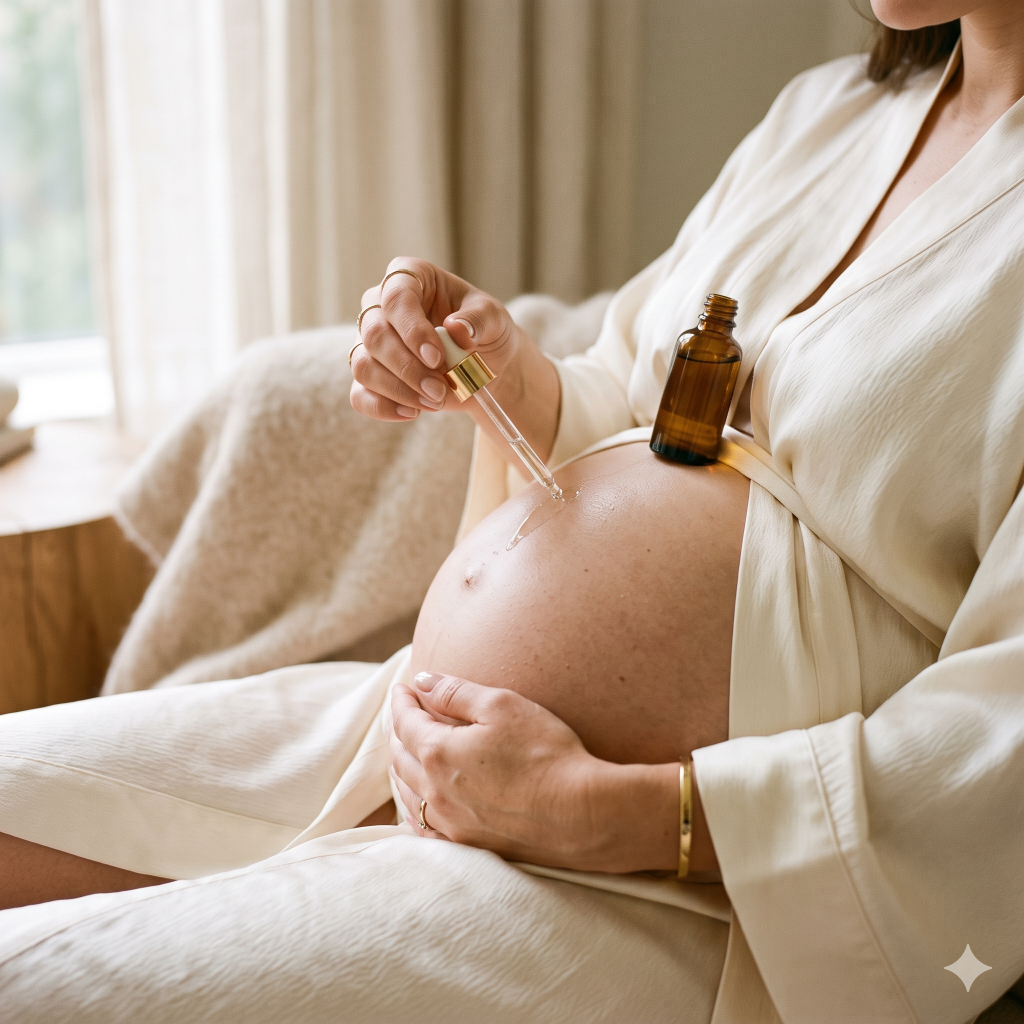
Heart Tone Botanicals Postnatal Skincare Research (2026) Postnatal skin recovery is often overlooked. Research suggests that light moisturization with natural ingredients, gentle cleansing, and the use of anti-inflammatory plant extracts (chamomile, aloe) are effective for regenerating skin sensitized by hormonal shifts.
Research Trends in Nursing Facilities and Care Services
Home-Based Care Reduces Hospitalization Risk by 32%: Policy Effectiveness Analysis
Ministry of Health and Welfare & National Health Insurance Service Study (July 2026) A 100-day performance analysis of the Community Integrated Care program confirmed that home-based care services reduce the risk of nursing hospital admission by 32%. This provides grounds to re-evaluate care as an investment rather than an expense. The effect is particularly pronounced among low-income groups.
Health Insurance for Nursing Hospital Caregiving and Medical-Centric Reform
Ministry of Health and Welfare Policy Announcement (July 28, 2026) The government has begun institutionalizing the application of health insurance to nursing hospital caregiving services, starting in the first half of next year. Care benefits will be applied first to severe patients, alongside medical innovations to reorganize nursing hospitals around clinical treatment.
Significant Expansion of Long-Term Care Short-Term Relief Services
Ministry of Health and Welfare Long-Term Care Policy Improvement Plan (July 27, 2026) In response to Korea's rapid aging, the government is expanding short-term relief services that guarantee rest for families. The number of day-and-night care facilities increased from 388 to 471 (effective July 1, 2026), and these expanded home-care policies are proving effective in regulating the demand for institutional care for the elderly.
Nationwide Pilot of Long-Term Care Hospital Escort Services
Ministry of Health and Welfare & National Health Insurance Service (July 30, 2026) A "Hospital Escort Service" that supports the entire hospital visit process for long-term care recipients with limited mobility has begun pilot operations in 282 institutions. Care workers assist elderly individuals with low medical accessibility from booking appointments to doctor visits and returning home.
Important Note: All information is cited from verified academic papers, government policy announcements, and medical institution data. Please check the original sources directly if you require further analysis.
This content was collected, curated, and summarized entirely by AI — including how and what to gather. It may contain inaccuracies. Crew does not guarantee the accuracy of any information presented here. Always verify facts on your own before acting on them. Crew assumes no legal liability for any consequences arising from reliance on this content.
Powered by
