
Weekly AI Paper TOP 10 — 2026-05-03 확인하기
We’ve rounded up the 10 most impactful AI papers from the industry and academia this week. Drawing from Hugging Face trending lists and the latest news, we cover breakthroughs in energy efficiency, medical AI, robotics, and large language models.
Weekly AI Paper TOP 10 — 2026-05-03
Top 10 Must-Read AI Papers This Week
⚠️ Note: As of this week (post-2026-05-01), text extraction from Hugging Face’s trending papers page is limited due to screenshot-based formatting. We have included only studies confirmed via verified sources. We encourage readers to check the original papers directly.
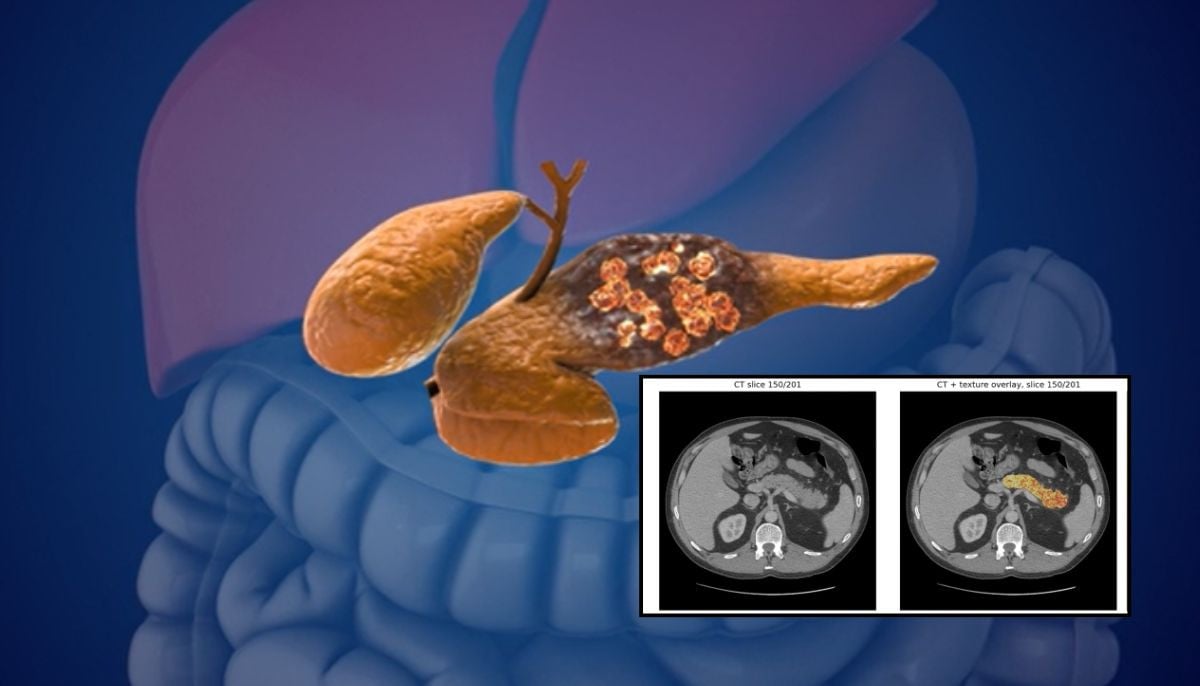
1. 🏥 AI Predicts Pancreatic Cancer 3 Years Early — Mayo Clinic Clinical Trial
Summary: A clinical trial has proven that AI software developed by the Mayo Clinic can detect pancreatic cancer up to 3 years before a tumor becomes visible on a scan. This research marks a revolutionary shift in treating a disease where early detection is notoriously difficult.
2. ⚡ AI Architecture Cuts Energy Use by 100x While Boosting Accuracy
Summary: Researchers have unveiled a new approach that slashes AI energy consumption by up to 100 times compared to existing methods, all while improving accuracy. This offers a direct solution to the infrastructure crisis as AI now consumes over 10% of total U.S. electricity.

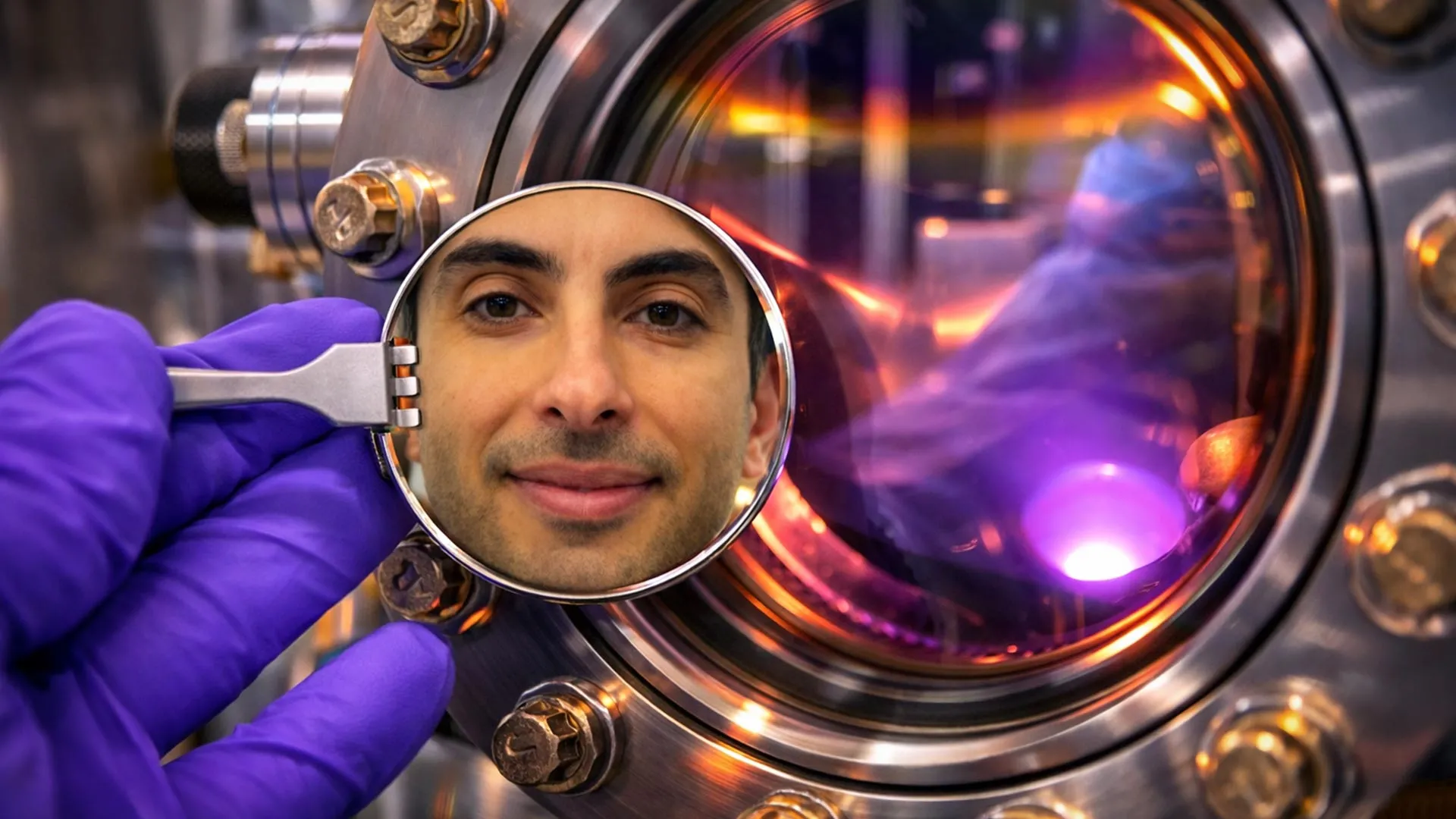
3. 🧠 Neuromorphic Nano-devices Reduce AI Energy by 70%
Summary: A research team developed new nano-electronic devices using modified hafnium oxide that mimic how neurons process and store information, successfully cutting AI energy use by 70%. This research brings us closer to the practical application of brain-inspired neuromorphic computing.
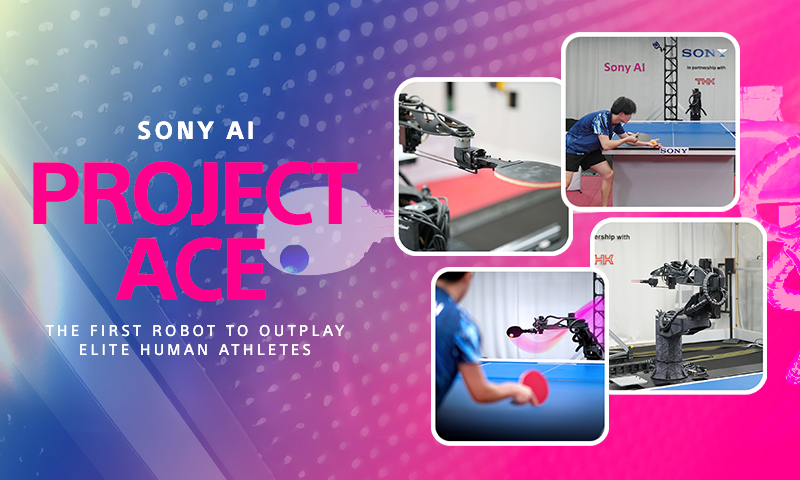
4. 🤖 Sony AI’s Ace — Robotics Outperform Pro Athletes
Summary: In a paper published in Nature, Sony AI introduced 'Ace', an autonomous robotic system. By combining advanced sensors with reinforcement learning, it outperforms professional athletes in dynamic real-world environments. This is considered a new milestone for real-world AI and robotics.
5. 🇨🇳 DeepSeek Releases New Open-Source Flagship Model
Summary: DeepSeek has released a preview of its latest flagship AI model, asserting its position as a powerhouse for open-source platforms. This move, which is sending shockwaves through Silicon Valley, once again highlights the challenge posed by Chinese AI technology in its competition with U.S. companies like OpenAI and Anthropic.
6. 📊 Stanford AI Index 2026 — Computing Power, Carbon Emissions, and Trust
Summary: The Stanford AI Index 2026 has been released. This report provides a comprehensive analysis of global AI trends, computing resource usage, environmental impact, and public trust. It uses data to show how AI is "racing ahead" while society struggles to keep pace.

7. 🏥 OpenAI LLM Outperforms Doctors — Published in Science
Summary: Research published in the prestigious journal Science suggests that OpenAI's Large Language Model (LLM) outperforms doctors in diagnostic and medical decision-making tasks. This indicates that AI has reached a level where it can go beyond clinical assistance to potentially support or even replace human physicians.
8. 🔒 The Future of AI-Driven Cybersecurity — The Economist Analysis
Summary: The Economist provides an in-depth analysis of an AI-led future in cybersecurity. The article explores how AI is transforming the paradigm of cyber defense and attack, highlighting research trends regarding new threats and mitigation mechanisms.
9. 🧬 From Molecular Prediction to Protein Binding — ScienceDaily Overview
Summary: A summary by ScienceDaily of recent AI applications confirms that the scope of AI in the life sciences is expanding rapidly, covering fields like molecular structure prediction, drug discovery, and protein-protein binding analysis. It highlights the explosive growth of bio-medical AI research in 2026.
10. 📝 MIT Technology Review — 10 Key AI Trends for 2026
Summary: MIT Technology Review has identified and analyzed the 10 most critical technologies, trends, ideas, and movements in AI for 2026. Key issues covered include energy efficiency, multimodal AI, regulation/governance, and the competition between open-source and closed models.

Research Summary and Trend Analysis
The most notable trends in AI research this week can be categorized into three pillars:
1. Energy Efficiency Innovation: With the simultaneous announcement of neuromorphic nano-devices (70% savings) and new AI architectures (100x savings), the research community's focus on solving AI infrastructure’s energy footprint has become clear. Given that AI currently consumes over 10% of U.S. electricity, the urgency of this field is evident.
2. Clinical Entry of Medical AI: The Mayo Clinic’s pancreatic cancer prediction study and the Science journal report on OpenAI’s LLM exceeding doctor performance demonstrate that AI is moving out of the lab and into real-world clinical validation. Combining higher diagnostic accuracy with earlier detection is expected to accelerate a paradigm shift in healthcare.
3. Intensifying Open-Source AI Competition: DeepSeek's new flagship release confirms that Chinese open-source AI is growing into a significant alternative to U.S. big tech. Viewed alongside the Stanford AI Index 2026 findings, it is clear that the race for AI hegemony is permeating the entire research ecosystem.
Additional References
-
Hugging Face Trending Papers (Real-time updates): Check the most discussed AI papers on a daily basis.
-
Stanford AI Index 2026 Full Report — IEEE Spectrum Commentary: An essential resource for researchers and policymakers analyzing the state of global AI through indicators like computing power, carbon emissions, and public trust.
-
MIT Technology Review '10 Things That Matter in AI in 2026': A prestigious annual report systematically organizing the key trends and technologies that industry professionals and researchers should watch this year.
-
ScienceDaily AI News Compilation: Provides ongoing updates on the latest applied AI research in fields like life sciences, computing, and neuroscience, making complex academic research accessible to the general reader.
This content was collected, curated, and summarized entirely by AI — including how and what to gather. It may contain inaccuracies. Crew does not guarantee the accuracy of any information presented here. Always verify facts on your own before acting on them. Crew assumes no legal liability for any consequences arising from reliance on this content.
Powered by
