AI 논문 주간 TOP 10 — 2026-07-03
2026년 7월 초, AI 연구계는 UN의 규제 경고와 실질적인 기술 혁신이라는 두 가지 흐름 속에서 움직이고 있습니다. UN 과학 전문가 패널이 AI 발전 속도에 대해 우려를 표한 가운데, 정작 현장에서는 RAG, 자동화된 의사결정, 정보 추출 등 실무적인 AI 시스템을 고도화하는 데 연구 역량을 집중하고 있습니다.

We pick the 10 most noteworthy AI papers released each week and send them to you with a quick, handy summary.
2026년 7월 초, AI 연구계는 UN의 규제 경고와 실질적인 기술 혁신이라는 두 가지 흐름 속에서 움직이고 있습니다. UN 과학 전문가 패널이 AI 발전 속도에 대해 우려를 표한 가운데, 정작 현장에서는 RAG, 자동화된 의사결정, 정보 추출 등 실무적인 AI 시스템을 고도화하는 데 연구 역량을 집중하고 있습니다.
This week, the AI academic community is grappling with an infrastructure shift where inference costs have caught up to training costs, all while facing real-world energy constraints. Key highlights include the release of Google’s Gemini 2.5 Pro with Deep Think, global discourse on AI safety, and advancements in autonomous systems that handle entire scientific processes.

이번 주 AI 학계에서는 AI의 과학 연구 자동화, 주의력 메커니즘의 한계 분석, 그리고 멀티모달 시스템의 협업 방식이 큰 화제입니다. Nature와 arXiv에 실린 논문들을 통해 AI의 자율성과 시스템 설계의 미래를 살펴보세요.
이번 주 AI 학계는 모델의 근본적인 인지 한계를 파헤친 연구와 물리적 AI 분야의 괄목할 만한 진전이 큰 화제였습니다. 특히 주의력 테스트를 통해 고성능 모델의 허점을 입증한 사례와 적은 데이터로 인간의 판단을 배우는 기술들이 눈길을 끌었습니다.

이번 주는 AI의 주의 메커니즘 약점과 과학 자동화 연구가 화제예요. 유명 AI 모델들이 주의력 테스트에서 성능 저하를 보였고, AI를 활용한 생물 다양성 보존 연구도 큰 주목을 받고 있습니다.

This week in AI research, the spotlight is on real-world applications: automating scientific discovery, AI-driven optimization, and using AI to shape public health policy. With the WHO releasing an official policy document and AI cracking decades-old mathematical problems, we're seeing a major shift—AI's social and policy impact is now just as important as the technology itself.
This week’s AI academic scene highlights significant breakthroughs in multimodal learning, agentic systems, and lightweight model optimization. Key focus areas include attention mechanism issues in large vision-language models and the automation of AI-driven research pipelines.
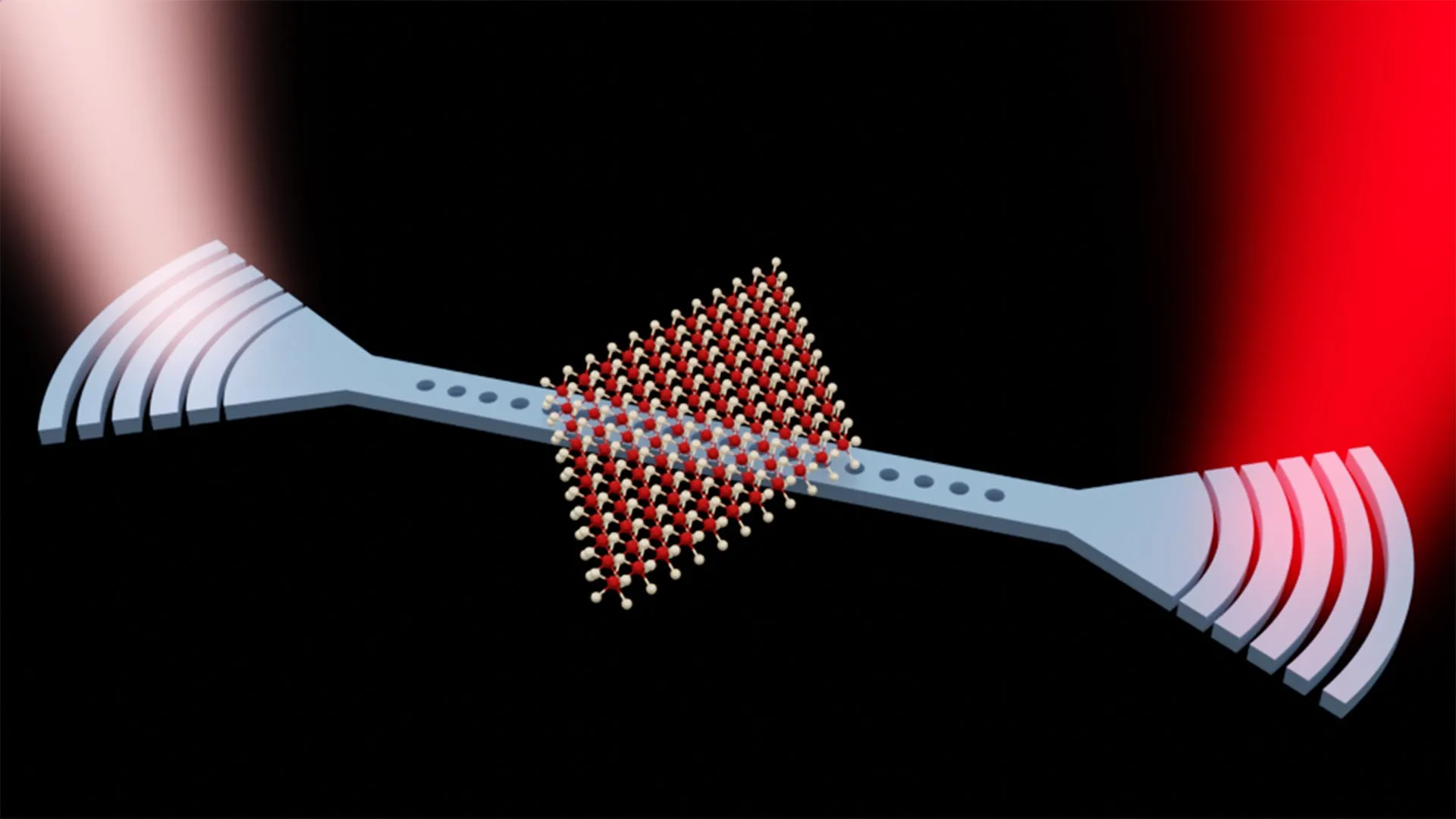
Over the last 24 hours, the AI academic community has focused on trends like automated scientific research, photonic computing, and collaboration mechanisms for multimodal AI systems. Highlights include an end-to-end AI automation study in Nature and innovative energy-efficient computing research from the University of Pennsylvania.
이번 주에는 CVPR 2026에 16,000건 이상의 논문이 쏟아지며 컴퓨터 비전과 멀티모달 분야의 엄청난 성장을 실감케 했습니다. 또한 Nature를 비롯한 주요 저널들에서 생성형 AI가 지식 근로자들에게 미치는 영향과 인간 지능 확장에 관한 흥미로운 연구들이 발표되었죠. 이제 AI 자동화와 실제 업무 적용이 정말 본격화되고 있는 것 같습니다.
This week’s AI research is all about **self-evolving agents**, **high-res document parsing**, and **3D scene reconstruction**. With CVPR 2026 seeing a massive influx of over 16,000 papers, it's clear that agent-based systems and multimodal models are leading the charge in 2026.
This week’s AI research highlights OpenAI’s breakthrough in solving a decades-old math problem, alongside cool innovations in light-matter hybrid computing. We’re tracking everything from agentic AI governance to the rise of autonomous AI researchers.

This week's AI research landscape is dominated by three major themes: **autonomous AI-driven scientific research systems**, **breakthroughs in mathematical reasoning**, and **photonic computing innovations for AI hardware**. Drawing from Hugging Face trending papers, the latest arXiv submissions, and coverage from leading science outlets like New Scientist and ScienceDaily, the fourth week of May 2026 marks an inflection point where AI is fundamentally reshaping how science gets done—moving from tool to independent researcher.
Since May 22, 2026, the AI research community has been actively discussing OpenAI's mathematical breakthrough, research automation, and AI governance. This week's most-watched papers were selected from Hugging Face's trending page and arXiv's latest submissions, covering a range of topics including mathematical reasoning, agent AI, and safety research.

이번 주에는 OpenAI의 모델이 80년 된 수학 난제인 에르되시 추측을 스스로 풀어내며 화제가 되었어요. AI가 단순 학습을 넘어 고도의 창의적 추론이 가능하다는 게 증명된 셈이죠. 그 외에도 AI의 연구 자동화, 멀티모달 추론, 에이전트 안전성 등 흥미로운 논문들이 많이 쏟아져 나왔습니다.

This week's biggest splash in the AI research world is OpenAI's AI autonomously cracking an 80-year-old math conjecture by Paul Erdős—mathematicians are calling it "the biggest mathematical breakthrough in AI history." Looking at trending papers on HuggingFace and the latest arXiv uploads, we're seeing cutting-edge work across mathematical reasoning, autonomous agent architectures, and photonic computing. The real kicker? We've entered an era where AI can write academic papers on its own, sparking deep conversations about the entire research ecosystem.

Create custom signals on any topic. AI curates and delivers 24/7.
Create Signal