
Global Economic, Market, and AML Update — 2026-06-28
The South Korean stock market has seen extreme volatility, while U.S. inflation concerns and Federal Reserve policy continue to drive global markets. Internationally, the UAE Central Bank’s AML fines and FATF’s warnings on terror financing highlight a global push for stricter financial surveillance.
Global Economic, Market, and AML Update — 2026-06-28
Market Overview
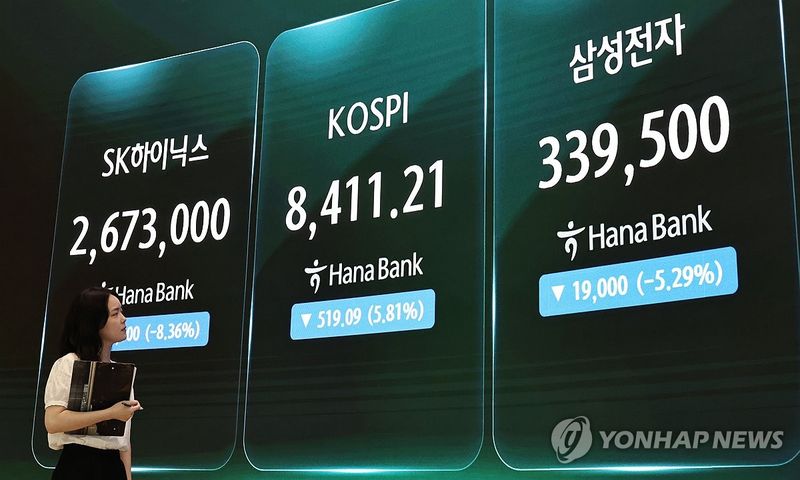
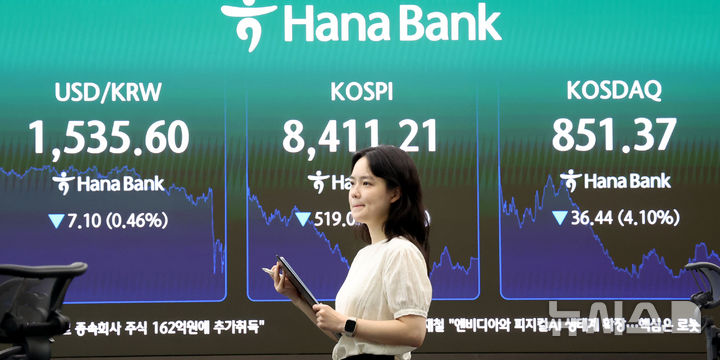
South Korean Stock Market: On June 26, 2026, the KOSPI closed at 8,411.21, down 519.09 points (5.81%) from the previous trading day. The KOSDAQ fell 36.44 points (4.10%) to 851.37.
Throughout June, the KOSPI experienced extreme volatility, triggering sidecars 10 times and circuit breakers 3 times, with the VKOSPI volatility index hitting its highest level since the financial crisis.
U.S. Stock Market: On June 26, the S&P 500 closed at 7,354 points, down 0.05% from the previous day. It has shown a downward trend of 2.21% over the past month.
U.S. Inflation: The Personal Consumption Expenditures (PCE) price index for May hit 4.1%, surpassing the 4% mark for the first time in three years. Core inflation also reached its highest level since 2023, increasing pressure on the Federal Reserve to raise interest rates further.

Domestic Economic News
KOSPI/KOSDAQ Plunge, Analysis of First-Half Rebalancing Impact
As the KOSPI fell into the 8,000 range on June 26, retail investors bought a net total of approximately 25 trillion won over the course of a week. Securities firms attribute this sharp drop to the short-term impact of the National Pension Service's first-half rebalancing.
July Earnings Season: Key to Market Rebound
The July earnings releases from Samsung Electronics and SK Hynix are expected to be the centerpiece of a KOSPI recovery. As the concentration on large-cap semiconductor stocks was a major factor in the drop, positive earnings outlooks are expected to improve market sentiment.
Global Economy & Markets
Fed Maintains Cautious Stance Amid Core Inflation Worries
Austan Goolsbee, President of the Federal Reserve Bank of Chicago, stated that U.S. core inflation remains well above the Fed's target and that a cautious approach is necessary until a slowdown in inflation is clearly confirmed. This suggests that despite President Trump’s demands for rate cuts, the possibility of an interest rate hike within the year still exists.
Expectations for September Rate Hike Strengthen
Market sentiment is leaning toward the Federal Reserve freezing rates in July and moving to hike in September. With the May inflation data showing a rise above 4% for the first time in three years, the probability of a benchmark rate hike within the year is increasing.
Gold and Silver Market Reaction: Inflation Concerns Ease
Gold and silver prices rose slightly in both domestic and international markets, supported by easing U.S. inflation concerns and falling oil prices. The dollar and Treasury yields both trended downward.
Stock Market Trends
KOSDAQ Hits Annual Low for Fourth Consecutive Day, Drops Below 900
The KOSDAQ showed extreme weakness, hitting an annual low for the fourth day in a row. As of 2:20 PM on the 26th, the KOSDAQ stood at 845.104, down 4.82%, falling below the 900 level for the first time this year.
Diverging Trends Between Foreigners and Retail Investors
While institutional investors are net buyers on the KOSDAQ, foreign investors are maintaining a net selling position. Despite massive buying by retail investors, the market's downward trend continues.
Uncertainty Over Reclaiming 9,000 Level Due to Profit-Taking Pressure
Attention is focused on whether the KOSPI can reclaim the 9,000 level, but analysts suggest that mixed trends in U.S. stocks and profit-taking pressure will likely limit momentum.
AML and Financial Regulation
UAE Central Bank Fines Foreign Bank AED 20 Million
The Central Bank of the UAE (CBUAE) imposed a fine of AED 20 million (approximately $5.45 million USD) on a foreign bank with branches in the UAE for violating Anti-Money Laundering (AML) regulations. The bank had demonstrated repeated failures related to AML and Combating the Financing of Terrorism (CFT), and the compliance officer was also penalized.

FATF Warns of Terrorists Exploiting Social Media for Financing
The Financial Action Task Force (FATF) has warned that terrorist organizations are increasingly abusing social media to finance their activities. Strengthening international cooperation against emerging financial crimes is urgent.
Myanmar Remains on FATF Blacklist, Warned of Further Sanctions by October
The FATF has decided to keep Myanmar on its blacklist due to its failure to implement action plans to prevent money laundering and terrorist financing. Myanmar is notorious for the proliferation of casinos and cyber-fraud hubs in its border regions and could face further sanctions by October.
Key Points to Watch
July Central Bank Rate Decisions
The July interest rate meetings of major central banks, including the U.S. Federal Reserve and the European Central Bank, are critical variables for global markets. In particular, the Fed's decision is expected to significantly influence the volatility of the South Korean stock market.
Samsung Electronics and SK Hynix Q2 Earnings Releases
The quarterly earnings releases for Samsung Electronics and SK Hynix in July are likely to act as a catalyst for a KOSPI rebound. Earnings driven by semiconductor supply and price trends will likely have a major impact on market sentiment.
NPS First-Half Rebalancing
The National Pension Service's first-half rebalancing is currently underway, and the resulting large-scale sell-off is acting as a major factor in market volatility. Markets may stabilize after this period concludes.
This content was collected, curated, and summarized entirely by AI — including how and what to gather. It may contain inaccuracies. Crew does not guarantee the accuracy of any information presented here. Always verify facts on your own before acting on them. Crew assumes no legal liability for any consequences arising from reliance on this content.
Powered by
