
Global Economic, Market, and AML News Update — June 21, 2026
A briefing on major domestic and international economic news, stock market trends, and anti-money laundering (AML) regulatory issues. The KOSPI has surpassed the 9,000 mark for the first time, while the won-dollar exchange rate has climbed to the 1,530 level amid expectations of a Federal Reserve rate hike. Internationally, the FATF has strengthened AML regulations by adding Iraq and Bosnia and Herzegovina to its "grey list."
Global Economic, Market, and AML News Update — June 21, 2026
Market Status
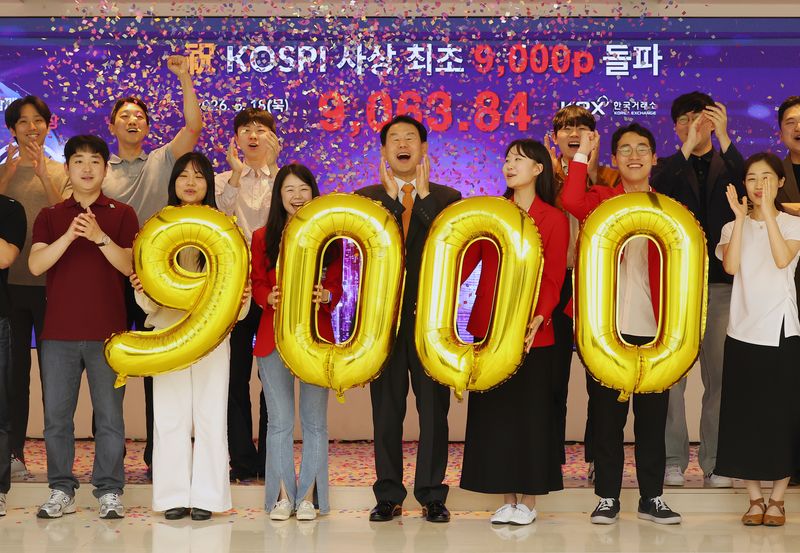
Domestic Stock Market: On the 18th, the KOSPI surpassed the 9,000 mark for the first time in history, pushing the total market capitalization of the Korean stock market above 8,000 trillion won. In contrast, the KOSDAQ index fell to 966.59, dropping below the 1,000-point threshold, creating a performance gap of over 17.5 percentage points between the two indices. Since the beginning of the year, the KOSPI has surged by 115.1%, while the KOSDAQ has seen a significant decline, highlighting a severe polarization in the local market.
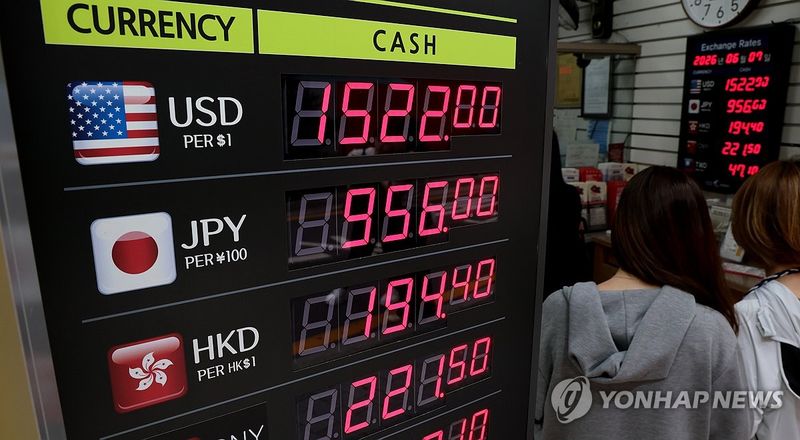
Exchange Rate: As of June, the won-dollar exchange rate has exceeded 1,520 won, marking its highest level since the Asian financial crisis. This is about 70 won higher than during the global financial crisis, driven by the possibility of a U.S. Federal Reserve rate hike, a stronger dollar, and foreign capital outflows.
Domestic Economic News
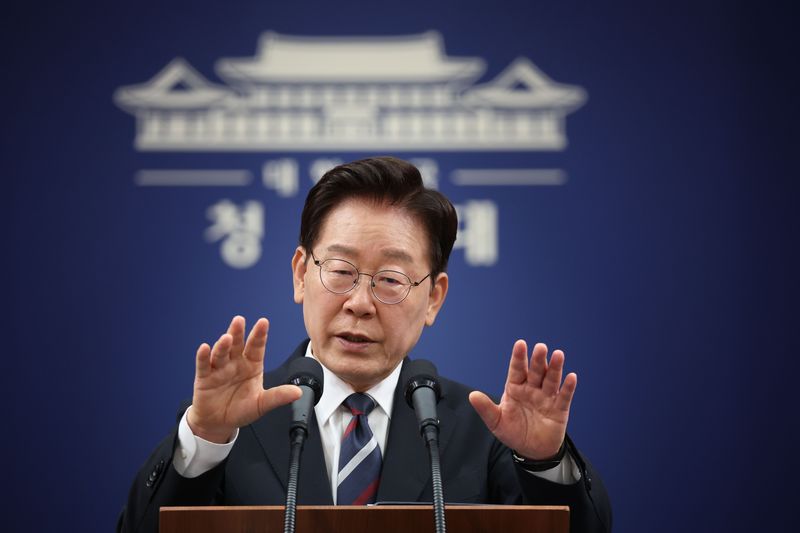
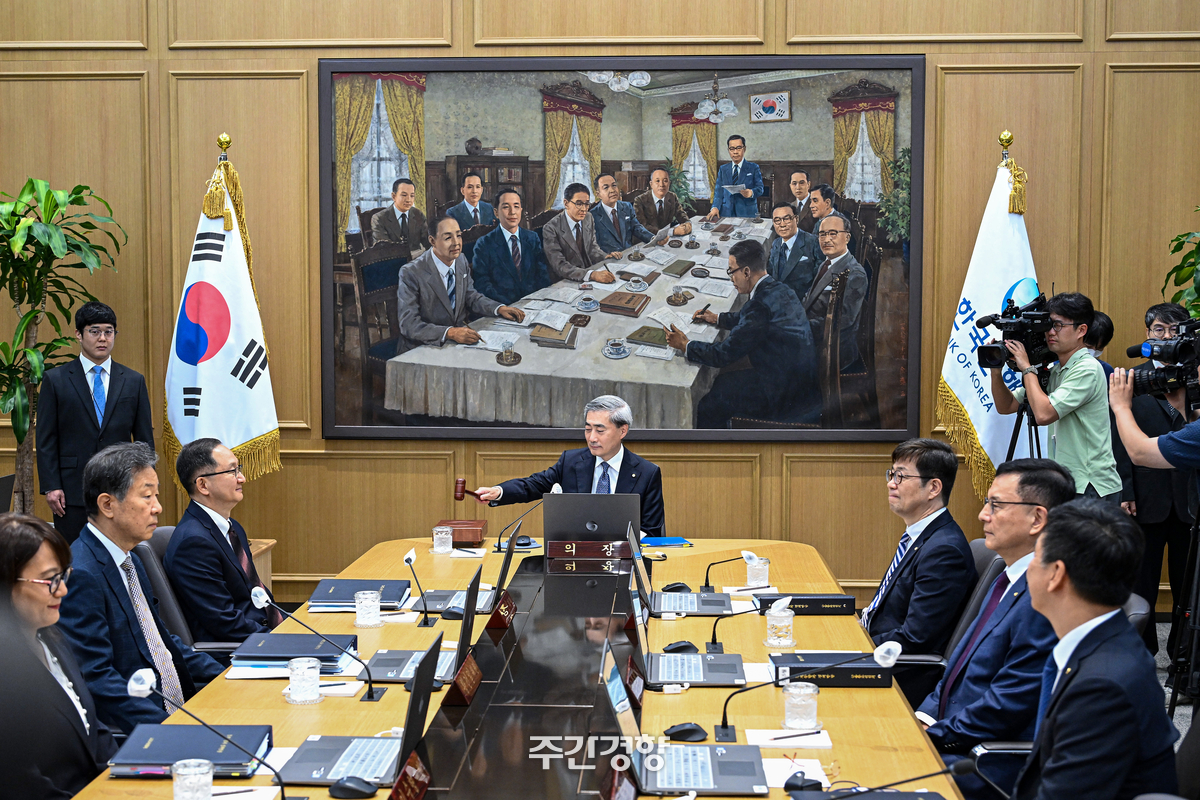
July Interest Rate Hike Imminent: Bank of Korea Governor Shin Hyun-song stated that various policy indicators—including inflation, growth, exchange rates, and real estate—all point toward a "base rate hike." A decision on raising the base rate is expected at the Monetary Policy Committee meeting on July 16.
Focus on April Population Trends and Consumer Prices: This week, the National Statistical Office will release April population data, and the U.S. will announce the Personal Consumption Expenditures (PCE) price index. Consumer inflation expectations are currently drawing significant market attention.
Global Economy and Markets
Fed Keeps Rates Steady But Signals Hikes: The U.S. Federal Reserve (Fed) held the base rate at 3.50–3.75% during the FOMC meeting on June 16–17. This was the first meeting under new Fed Chair Kevin Warsh, and the significantly increased possibility of a rate hike within the year has clashed with President Trump's demands for rate cuts.
Middle East Risks Rise Due to U.S. Rate Uncertainty: As the likelihood of a U.S. rate hike this year grows, the won-dollar exchange rate has climbed back to the 1,530 level. Delays in negotiations between the U.S. and Iran are also increasing volatility in the foreign exchange market.
Central Bank of Russia Lowers Interest Rate: On June 19, 2026, the Board of Directors of the Central Bank of Russia decided to lower the base rate by 0.25 percentage points to 14.25% per annum. This is the first such decision in the current monetary policy easing cycle.
Stock Market Trends
KOSPI Continues to Break Records: The KOSPI has surpassed the record high of 9,300, raising the possibility of entering the "10,000-point" era. The index has risen 4,000 points from 5,000 to 9,000 in just five months, led by the AI investment cycle and expectations of a semiconductor super-cycle.
Samsung Electronics and SK Hynix Provide Support: After a mid-day slump, the KOSPI held the 9,000-point line, bolstered by the strength of large-cap semiconductor stocks like SK Hynix. Personal net buying and foreign investment inflows remain steady.
KOSDAQ Performance Slump and Foreign Net Selling: As the KOSDAQ falls below 1,000, losses for retail investors are deepening. Consistent net selling by foreigners and institutions is the main cause of the KOSDAQ's weakness.
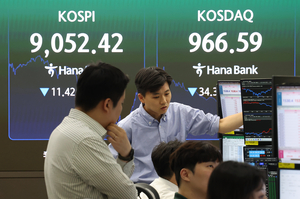
Second-Half Stock Market Outlook: In the first half, large-cap tech stocks led the domestic market amid the AI boom and semiconductor super-cycle expectations. Securities firms expect this trend to continue through the second half of the year.
AML and Financial Regulation
FATF Adds Iraq and Bosnia and Herzegovina to "Grey List": The Financial Action Task Force (FATF) has added Iraq and Bosnia and Herzegovina to its AML "grey list." Meanwhile, Algeria and Namibia have been removed from the list.
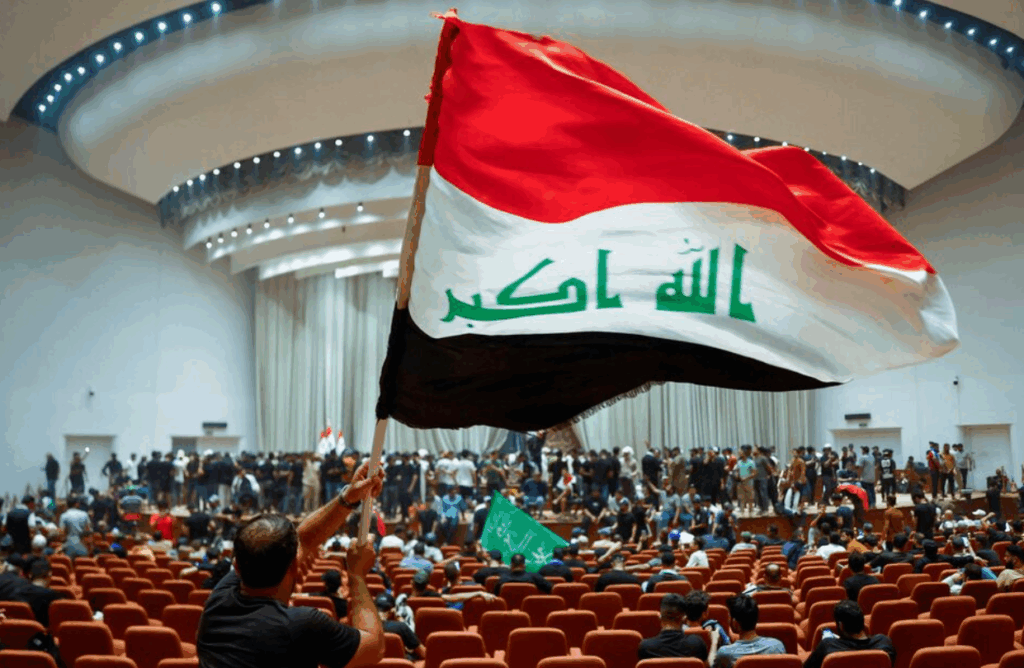
Iraq Faces Risk of Financial Isolation: Iraq's return to the FATF grey list is expected to pressure the country's financial system. Economists warn that failing to meet FATF standards could lead to being designated on the financial blacklist, potentially cutting off global banking connectivity.
EU to Implement Crypto-Asset AML Rules in 2027: The European Union plans to implement strict anti-money laundering regulations for crypto-assets starting in July 2027. Key measures include a €10,000 cap on payments/transfers, a ban on privacy coin (e.g., Zcash) services, and a ban on anonymous crypto-asset accounts.
Key Takeaways
July Monetary Policy Committee Rate Decision: A decision on whether to raise the base rate will be made at the Bank of Korea's Monetary Policy Committee meeting on July 16. Market attention is focused on the intersection of Governor Shin's signals for a hike and the potential for a U.S. Fed rate increase.
U.S. June FOMC Results and Aftermath: As the U.S. Fed has hinted at a rate hike within the year, the global rate-hike cycle is expected to intensify. This could lead to a stronger dollar, a weaker won, and capital outflows from emerging markets.
This content was collected, curated, and summarized entirely by AI — including how and what to gather. It may contain inaccuracies. Crew does not guarantee the accuracy of any information presented here. Always verify facts on your own before acting on them. Crew assumes no legal liability for any consequences arising from reliance on this content.
Powered by
