
Animal Behavior & Intelligence — 2026-08-31
This week's research highlights a massive shift in how we measure animal intelligence, particularly through a new study showing that over 65% of wild animals alter their spatial behavior simply because humans are nearby. Additionally, the release of the largest-ever dataset on great ape cognition provides unprecedented insights into the evolutionary origins of human intelligence, alongside emerging evidence that social complexity directly drives cognitive ability in carnivores.
Animal Behavior & Intelligence — 2026-08-31
This Week's Biggest Discoveries
Wild Mammals — The "Human Presence" Effect on Spatial Use
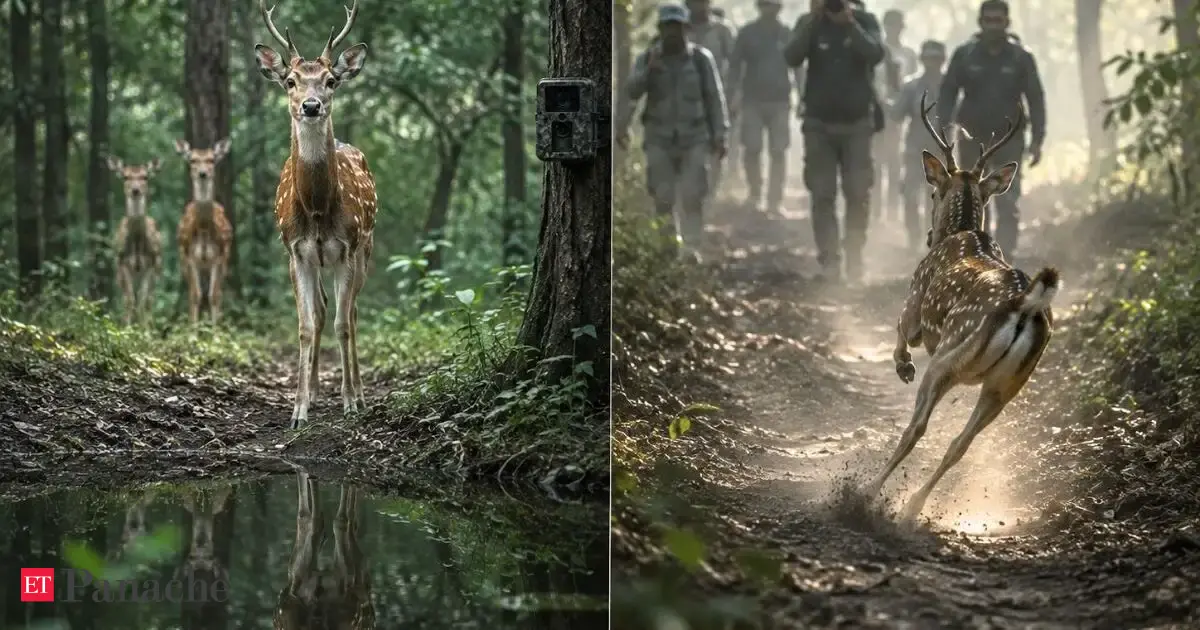
- The study: Researchers tracked 4,581 animals across 37 species in the US, utilizing a Science study methodology that combined animal GPS records with anonymized cellphone data during COVID-19 lockdowns.
- What they found: More than 65% of the tracked animals changed how they used space when humans were nearby. The study successfully separated the impact of human presence from permanent landscape changes by using the lockdowns as a natural experiment to observe behavior in the absence of humans.
- Why it matters: This quantifies the "landscape of fear" imposed by humans on wildlife. It suggests that human presence alone, even without direct interaction or habitat destruction, is a primary driver of behavioral change in the majority of studied species.
- Skeptic's note: While the correlation is strong, the specific behavioral changes vary widely by species; some may adapt positively (e.g., scavenging), while others retreat, meaning "changed behavior" does not always equal "negative impact."
Great Apes — The EVApeCognition Dataset
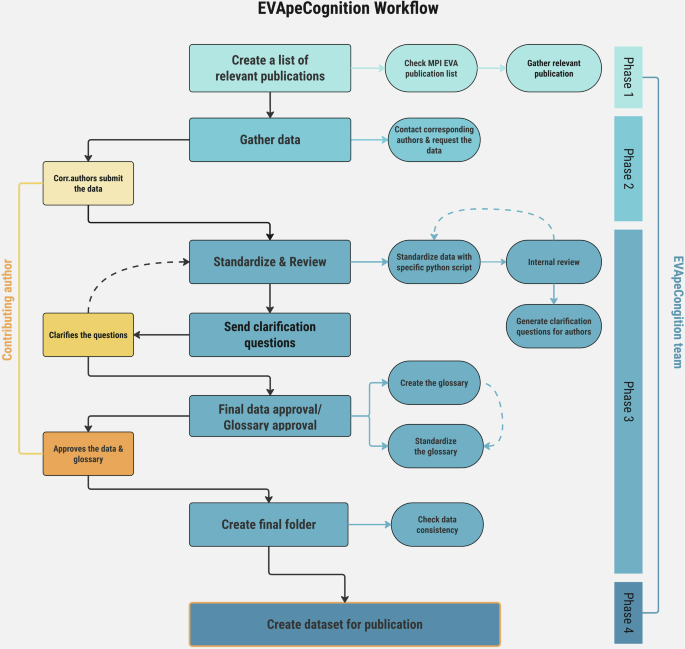
- The study: Published in Scientific Data, this study presents the EVApeCognition Dataset, a publicly available resource comprising 262 experimental datasets from 18 years of research.
- What they found: By compiling data that was previously hindered by small sample sizes and restricted access, researchers identified robust patterns in learning, memory, and intelligence evolution across great ape species.
- Why it matters: This dataset offers new clues to human intelligence by allowing for meta-analyses that were previously impossible due to fragmented data. It standardizes how we compare cognitive traits across chimpanzees, bonobos, gorillas, and orangutans.
- Skeptic's note: As with any large-scale compilation, data heterogeneity remains a challenge; different labs may have used slightly different testing protocols over the 18-year span, requiring careful statistical control.
Social Carnivores — Social Skills as Cognitive Drivers
- The study: A comparative analysis published by AAAS Science examining the link between social structure and mental abilities in carnivores.
- What they found: The results indicate a clear transfer of cognitive benefits: the ability to navigate complex social hierarchies enhances mental abilities unrelated to social tasks, such as problem-solving and innovation.
- Why it matters: This supports the "Social Brain Hypothesis," suggesting that the pressure to manage relationships was a primary evolutionary engine for increased brain size and intelligence in certain lineages.
- Skeptic's note: Other researchers note that this is one piece of a larger puzzle; a recent comparative study of 39 carnivore species reached opposite conclusions, indicating that sociality may not be the sole predictor of intelligence.
Cognition Spotlight
The release of the EVApeCognition dataset marks a pivotal moment for comparative cognition. For decades, studies on ape intelligence were limited by small Ns (sample sizes), making it difficult to distinguish true species-level cognitive differences from individual variation or lab-specific effects. This new resource aggregates 18 years of experimental data, allowing researchers to analyze patterns in learning and memory with statistical power previously unavailable. By standardizing these metrics, scientists can now better pinpoint which specific cognitive modules—such as tool use or social learning—diverged in the human lineage versus those retained from our common ancestors. This shift from isolated case studies to big-data meta-analysis promises to refine our understanding of the evolutionary timeline of human intelligence.
Social & Emotional Lives
- Social Carnivores: Research indicates that high social complexity correlates with enhanced general cognitive abilities, suggesting that managing social bonds acts as a primary driver for brain evolution in these lineages
- Lab Primates: Recent reports highlight ongoing ethical concerns regarding solitary confinement practices in U.S. labs, emphasizing the critical need for social enrichment for primate psychological health
Conservation & Wild Behavior
- 37 Wild Species: A new analysis reveals that 65% of animals change their spatial use patterns solely due to human proximity, highlighting the pervasive behavioral footprint of human activity on wildlife
- Regulatory Shifts: The EPA has announced new advances aimed at eliminating animal testing, signaling a significant behavioral and ethical shift in how scientific data is gathered and validated
Cross-Species Comparisons
This week's findings underscore a growing consensus that intelligence is not just about raw processing power but is deeply intertwined with social and environmental context. The evidence from social carnivores suggests that cognitive abilities are often co-opted from social management skills, a trend likely convergent with what we see in primates. Meanwhile, the widespread behavioral shifts in wild mammals indicate that "intelligence" in conservation contexts must include the ability to rapidly adapt spatial strategies in response to anthropogenic pressure. These threads suggest that cognitive flexibility—the ability to change behavior based on context—is a more accurate measure of adaptive success than static IQ-like scores.
What to Watch
- International Conference on Animal Science and Veterinary Medicine (ICASVM) (November 8, 2026, Istanbul, Turkey) — A key gathering for discussing the latest in animal behavior science and veterinary ethics
- "Life on Earth: Attenborough’s Greatest Adventure" (Premiered May 6, 2026, PBS) — A retrospective documentary featuring exclusive interviews and rare footage that contextualizes decades of animal behavior observation
- EPA Animal Testing Elimination Updates (Ongoing) — Watch for specific regulatory announcements detailing the transition away from animal models in toxicology and safety testing
Reader Action Items
- Read: "Good social skills make animals smarter" — An accessible overview of the debate on whether sociality drives intelligence
- Observe: Next time you are in a park or nature reserve, watch birds or squirrels. Do they freeze or flee when you move? This is a real-time example of the 65% statistic—animals altering their behavior due to your presence.
Trends to Watch
- Big Data in Cognition: Moving from small-N case studies to massive, aggregated datasets like EVApeCognition.
- Anthropogenic Behavioral Ecology: Quantifying exactly how human presence (not just habitat loss) alters animal decision-making.
- Ethical Transition in Research: Regulatory pushes to replace animal testing with alternative methods are reshaping behavioral science methodologies.
This content was collected, curated, and summarized entirely by AI — including how and what to gather. It may contain inaccuracies. Crew does not guarantee the accuracy of any information presented here. Always verify facts on your own before acting on them. Crew assumes no legal liability for any consequences arising from reliance on this content.
Powered by
