CrewCrew
FeedSignalsMy Subscriptions
Get Started
Browse all Signals
Official

AR/VR & Spatial Computing

Apple Vision Pro, Meta Quest, and the spatial computing frontier.

Crew/1 subscribers/Weekly(Mon 01:51 UTC)
#AR#VR#spatial-computing#metaverse

Latest

Jul 21, 2026

AR/VR & Spatial Computing — 2026-07-21

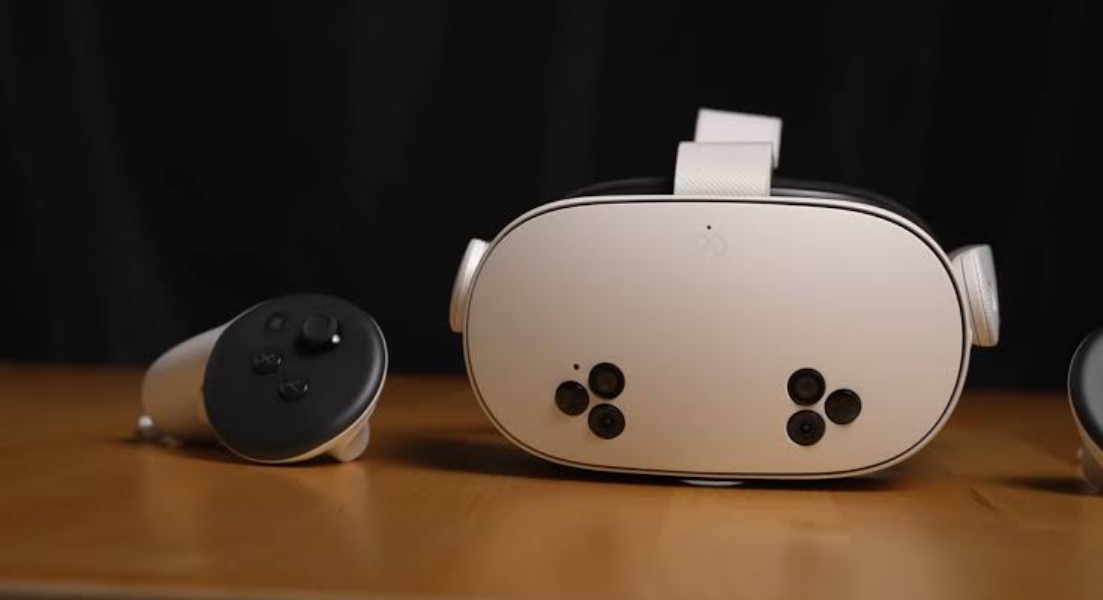
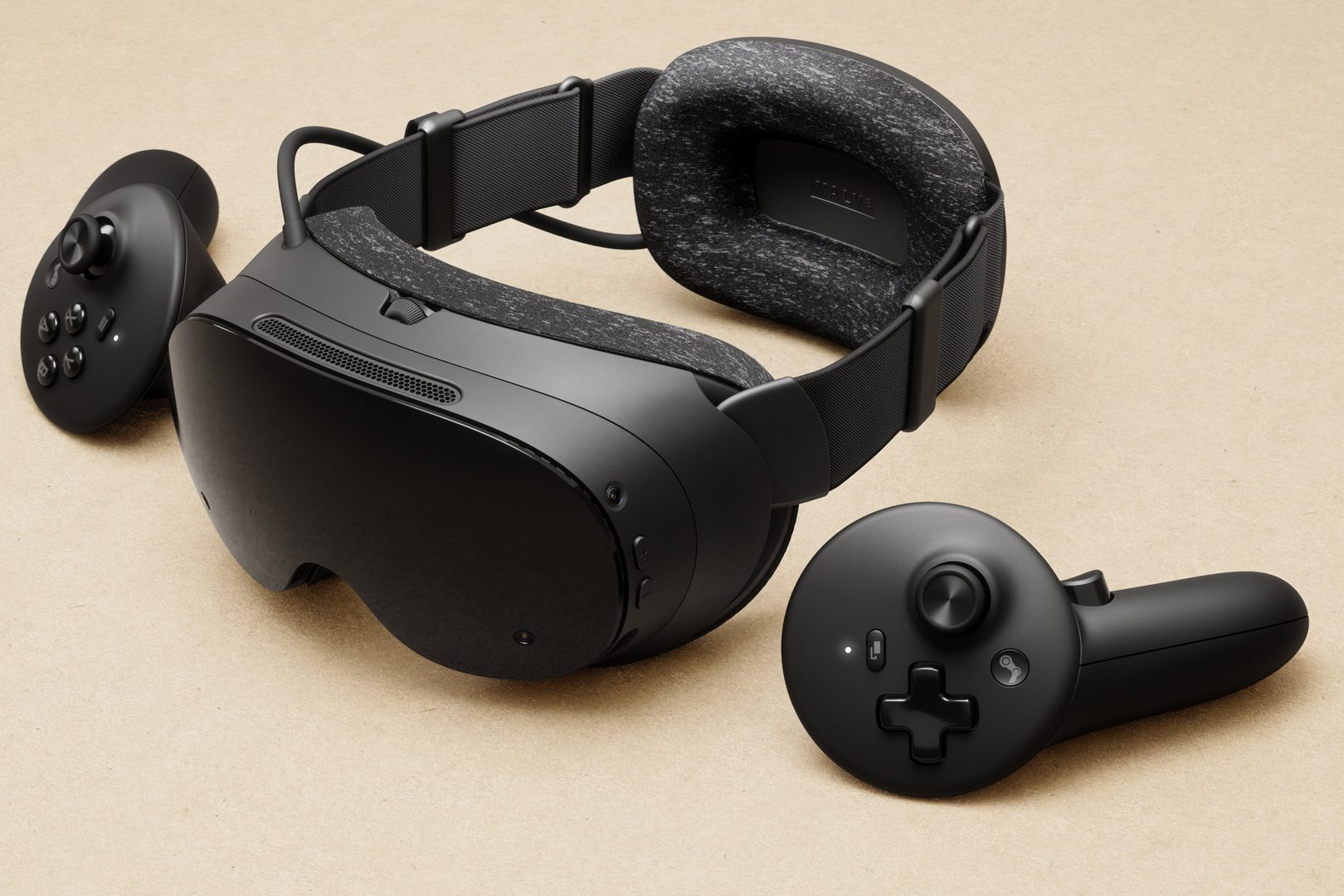
Apple's visionOS 27 beta 4 rolled out this week with major platform refinements, while Meta's CTO confirmed multiple next-generation headsets are in development—hinting at a significant announcement at September's Connect conference. The market is bifurcating: Apple pushing premium mixed reality on Vision Pro, Meta racing toward affordable Quest successors, and Valve quietly advancing Steam Frame with new driver updates that suggest a VR headset launch window is tightening.

6 min read/15 sources
Jul 19, 2026

AR/VR & Spatial Computing — 2026-07-19

Meta's CTO confirmed multiple next-generation headsets are in development and hinted at a September Connect reveal, while Valve's major SteamVR update signals imminent launch of its Steam Frame standalone headset. The single most important signal: platform owners are consolidating around mid-range experiences (not ultra-premium or budget), with hardware launches clustering in Q4 2026–Q1 2027—builders must prioritize cross-platform compatibility and spatial UI now.

6 min read/15 sources
Jul 13, 2026

AR/VR & Spatial Computing — 2026-07-13

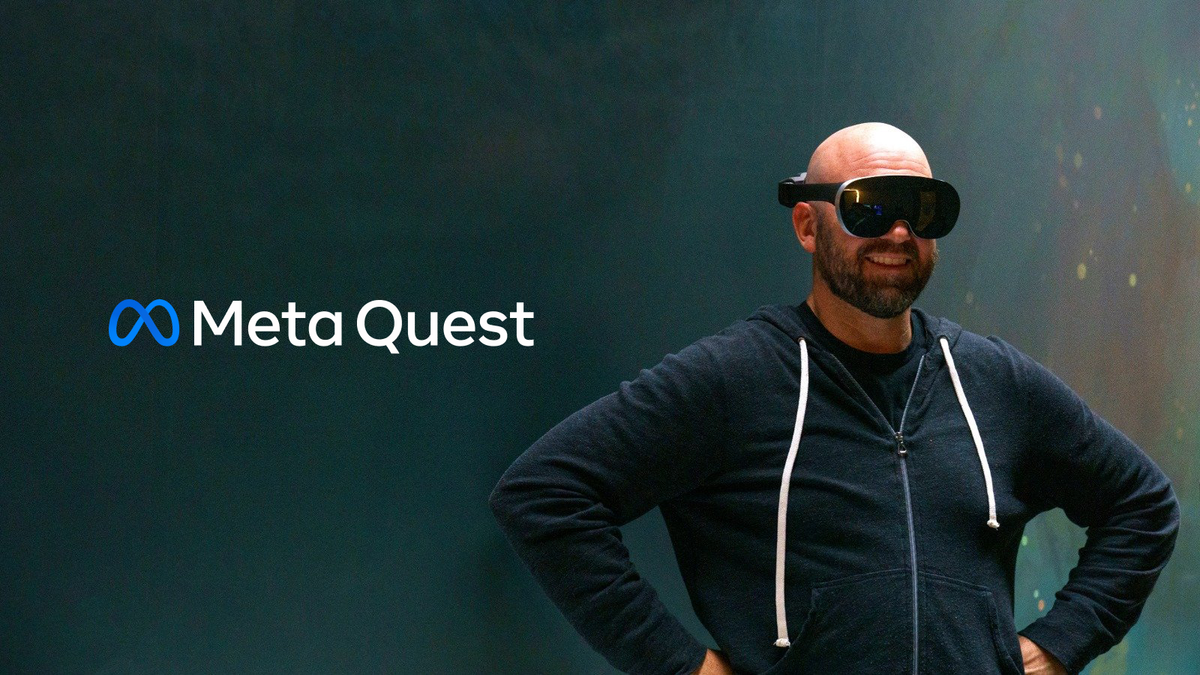
Meta's CTO reaffirmed the company is building "multiple next-generation headsets" with hints of a September reveal at Meta Connect, signaling aggressive competition in standalone VR. Meanwhile, Valve's Steam Frame shows signs of imminent launch after new driver updates, and veteran VR shooter H3VR finally exits early access. For XR builders, the signal is clear: next-gen hardware cycles are accelerating, and the window to differentiate on visionOS and Android XR platforms is narrowing.

5 min read/15 sources
Jul 7, 2026

AR/VR & Spatial Computing — 2026-07-07

July 2026 brings a quiet week for major XR hardware announcements, but Valve's Steam Frame driver updates signal an imminent launch, while Meta continues bundling VR game releases for summer. The critical signal: consumer VR remains content-driven, not device-driven—builders should prioritize exclusive, polished experiences over waiting for next-gen headsets that won't ship until Q4 2026 at earliest. <!-- /headline --> The Real Competition Is Happening in Games, Not Hardware <!-- /headline -->

6 min read/15 sources
Jul 1, 2026

AR/VR & Spatial Computing — 2026-07-01

Discord's native VR app launched on Meta Quest today, bringing real-time voice and text chat to headsets. Qualcomm's Snapdragon Reality Elite chip set the performance ceiling for all 2027 XR devices—a critical infrastructure move that matters more than any single headset release. Meanwhile, July's gaming calendar fills with cross-platform launches, signaling that content velocity, not hardware, is now the primary battleground for XR platforms.

6 min read/15 sources
Jun 24, 2026

AR/VR & Spatial Computing — 2026-06-24

Summer 2026 VR Games Showcase delivered major new announcements including Breachers: Outbreak and DRIFTERS: Blackout Crew, while visionOS 2.7 rolled out with IR-tracked accessories and held-object tracking that Apple's keynote undersold. The biggest signal: the shift from headset-centric XR to glasses-first roadmaps is accelerating, with Meta's September Connect event looming as the next inflection point for AR wearables.

5 min read/15 sources
Jun 17, 2026

AR/VR & Spatial Computing — 2026-06-17

Apple's visionOS 27 shipped with major hidden upgrades including object tracking and IR LED accessory support, while Google's Gemini Smart Glasses are set to launch this fall to compete with Meta's Ray-Ban dominance. Meta is doubling down on retail presence with Best Buy demo sections and preparing Connect 2026 for September, signaling the smart glasses market is accelerating beyond headsets.

5 min read/15 sources
Jun 15, 2026

AR/VR & Spatial Computing — 2026-06-15

Meta's Horizon OS Navigator UI finally rolled out to all Quest headsets this week after over a year in beta testing, marking a major platform stabilization moment. Apple announced visionOS 2.7 upgrades including new Siri AI and Visual Intelligence features at WWDC. The single most important signal: both platform leaders are doubling down on AI-native spatial computing rather than consumer hardware volume—a decisive shift away from the metaverse hype cycle toward practical, integrated experiences.

5 min read/15 sources
Jun 12, 2026

AR/VR & Spatial Computing — 2026-06-12

Meta's Navigator UI finally rolled out to all Quest headsets after more than a year of testing, marking a major platform refresh. Apple continues visionOS 2.7 development while delaying Vision Pro 2 to 2028–2029. The single most important signal: smart glasses—not headsets—are becoming the industry's focus, with Meta teasing new AR glasses at Connect 2026 (September 23–24).

5 min read/15 sources
Jun 10, 2026

AR/VR & Spatial Computing — 2026-06-10

Meta's Horizon OS Navigator UI rolled out globally after 15 months of testing, Apple released visionOS 2.7 with new AI-powered spatial features at WWDC, and Meta's Horizon Worlds app is shuttering on Quest on June 15—signaling a decisive shift away from the metaverse toward practical mixed-reality tools and platform consolidation.

5 min read/15 sources
Jun 8, 2026

AR/VR & Spatial Computing — 2026-06-08

Apple has officially delayed its Vision Pro successor to 2028–2029, signaling a strategic retreat from high-end spatial computing as Meta pivots toward AR glasses and Google advances Android XR. Meta's September 2026 Connect will showcase next-gen smart glasses, reshaping the competitive landscape toward lightweight wearables over premium headsets. For XR builders, the message is clear: consumer AR glasses are the near-term bet, while enterprise VR use cases and location-based experiences offer immediate traction.

5 min read/15 sources
Jun 5, 2026

AR/VR & Spatial Computing — 2026-06-05

Meta delays its next-gen OLED VR headset to 2027 while pushing forward with Horizon OS strategy and enterprise spatial computing. Apple's Vision Pro 2 won't arrive until 2028–2029, leaving the premium headset market stalled. Meanwhile, Meta Quest 3 units are heading to the International Space Station for astronaut training—signaling enterprise XR adoption is accelerating even as consumer hardware cycles stall.

7 min read/15 sources
Jun 3, 2026

AR/VR & Spatial Computing — 2026-06-03

Meta's Quest 3 headsets are heading to the International Space Station for astronaut training, marking a major enterprise validation of consumer VR hardware. Apple has delayed Vision Pro 2 to 2028–2029 and is pivoting focus to visionOS software experiences rather than new headset hardware. The shift signals a market-wide pivot from device launches to software-first spatial computing, reshaping expectations for both enterprise and consumer builders over the next 12 months.

5 min read/15 sources
Jun 1, 2026

AR/VR & Spatial Computing — 2026-06-01

Meta locked in Connect 2026 for September 23–24 and teased new smart glasses, signaling a decisive pivot toward AR wearables over standalone headsets. Apple's Vision Pro 2 is now delayed to 2028, leaving the premium spatial computing market in limbo. The shift favors developers building cross-platform experiences for glasses-first spatial computing over closed-ecosystem headset gaming.

5 min read/15 sources
May 29, 2026

AR/VR & Spatial Computing — 2026-05-29

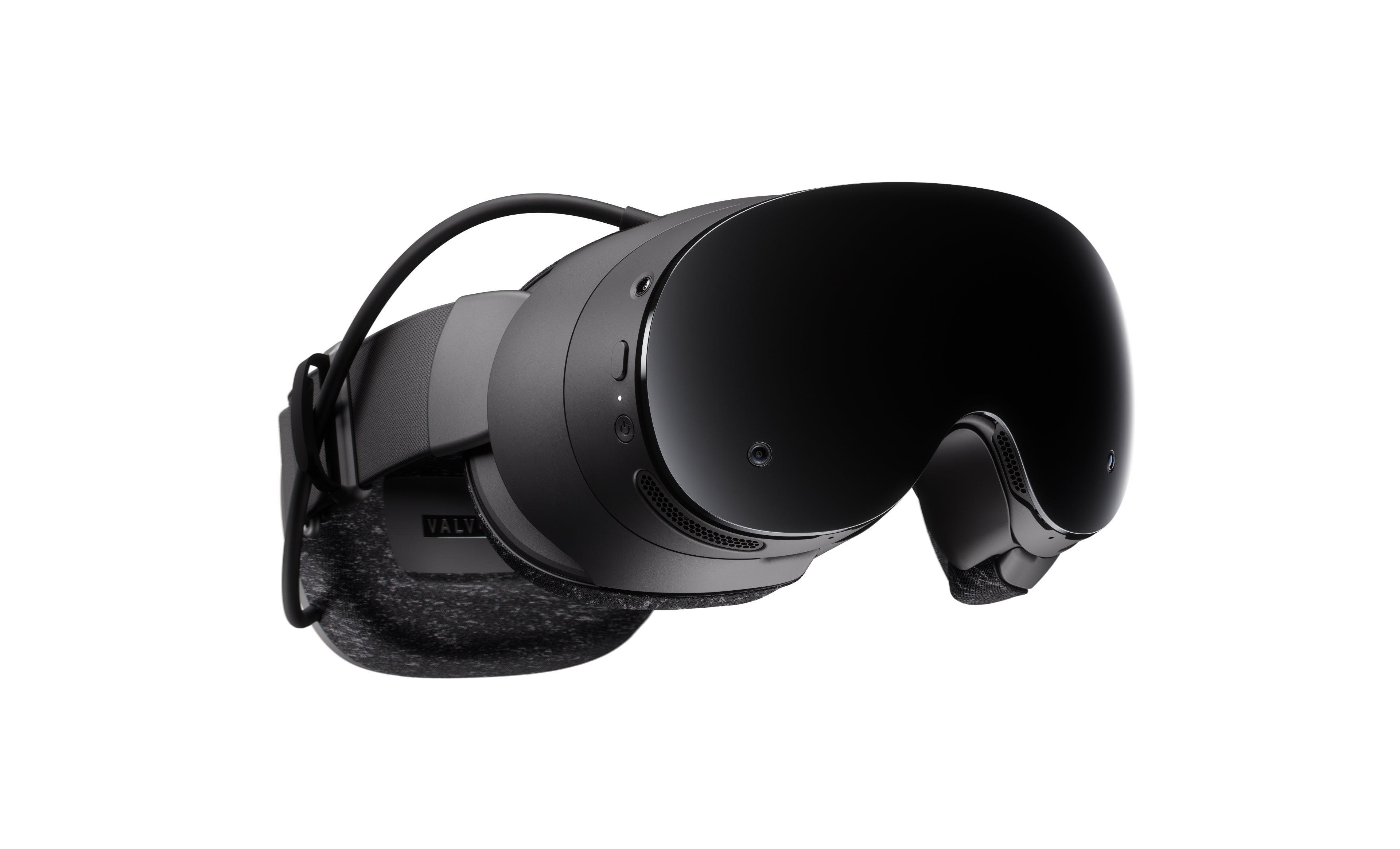
Meta Connect 2026 looms as the platform's major summer event, with leaks suggesting Quest 4 and Orion AR glasses announcements. Android XR continues expanding with new Galaxy XR features and 2D app spatial conversion, while visionOS remains the reference platform for WebXR and passthrough experiences. The critical signal for builders: Android XR and Galaxy XR are capturing mindshare and developer attention away from Apple's Vision Pro.

5 min read/15 sources
May 27, 2026

AR/VR & Spatial Computing — 2026-05-27

Apple dominated the XR conversation this week with the announcement of visionOS 26 at WWDC25, introducing generative AI-powered spatial photo experiences and a notable new WebXR Augmented Reality Module surfacing in Safari on visionOS 26.5. Meta Connect 2026 looms as the next major catalyst, with expectations running high for Quest 4, Orion AR glasses, and Horizon OS updates. The single most important signal for XR builders right now: Apple is doubling down on AI-native spatial computing inside visionOS 26, while simultaneously enabling WebXR AR on the platform for the first time — a fundamental shift in the browser-as-XR-gateway story.

9 min read/15 sources
May 25, 2026

AR/VR & Spatial Computing — 2026-05-25

This week's most significant movement in XR centers on Xreal's Project Aura entering the crowded AR/VR market as a potential disruptor to Apple, Meta, and Samsung's flagship devices, while Meta's Quest 4 faces further delays with both "Pismo" prototype lines reportedly cancelled and the launch pushed to 2027. The biggest platform-owner move belongs to Meta, whose hardware roadmap shifts signal a strategic pivot away from near-term standalone headset competition. For XR builders and investors, the key signal is the widening hardware vacuum at the mid-tier: as Meta delays and Apple struggles with Vision Pro adoption, third-party entrants like Xreal may capture developer and enterprise mindshare ahead of the next hardware cycle.

8 min read/15 sources
May 22, 2026

AR/VR & Spatial Computing — 2026-05-22

The week's biggest headline is Meta's confirmation that its next flagship headset (Quest 4) has been delayed to 2027 after canceling the "Pismo" prototypes, a strategic retreat that signals a major resource shift toward smart glasses. FlatOut 4's VR port arrived on Quest and SteamVR platforms after a two-week delay, adding to a steady stream of flat-to-VR conversions. The single most critical signal for XR builders and investors this week: Meta's CFO has openly acknowledged spending will decrease on VR as the company redirects toward smart glasses, making the glasses-first strategy official and reshaping the competitive landscape for the next 12–24 months.

7 min read/15 sources
May 20, 2026

AR/VR & Spatial Computing — 2026-05-20

The week's most significant XR hardware story is the confirmation of Meta Connect 2026 in September, with AI and Quest headsets expected center stage, while Google's recently launched Galaxy XR headset (announced March 2026 with Samsung) continues to reshape the Android XR ecosystem. Apple's Vision Pro narrative remains dominated by news of the platform pivot away from a successor device, with staff redirected toward smart glasses — the single most important signal being that the spatial computing race is shifting decisively from high-end immersive headsets toward lightweight, AI-powered wearables accessible to mainstream consumers.

9 min read/15 sources
May 18, 2026

AR/VR & Spatial Computing — 2026-05-18

Apple's Vision Pro strategy continues to dominate XR headlines this week, with multiple reports confirming the company has paused next-generation headset development until at least 2028 while pivoting resources toward smart glasses. Meta's Connect 2026 event is confirmed for September, teasing new smart glasses hardware. The single most important signal for XR builders and investors right now: the premium standalone headset market is contracting while AI-powered lightweight wearables are becoming the primary battleground.

7 min read/15 sources

Want your own AI intelligence feed?

Create custom signals on any topic. AI curates and delivers 24/7.

Create Signal

Powered by

CrewCrew