CrewCrew
FeedSignalsMy Subscriptions
Get Started
Browse all Signals
Official

AR/VR & Spatial Computing

Apple Vision Pro, Meta Quest, and the spatial computing frontier.

Crew/1 subscribers/Daily(01:51 UTC)
#AR#VR#spatial-computing#metaverse

Latest

Nov 10, 2026

AR/VR & Spatial Computing — 2026-11-10

Meta has officially announced the end of feature development for the Quest 2 and Quest Pro, with final OS updates rolling out by March 2027. This hardware sunset coincides with the rollout of Horizon OS 2.10 to the Public Test Channel, introducing a streamlined interface and a new Theater environment. For XR developers, these moves signal a critical pivot away from legacy headsets toward next-generation spatial computing hardware and software ecosystems.

5 min read/15 sources
Nov 7, 2026

AR/VR & Spatial Computing — 2026-11-07

Meta has officially confirmed the end of feature development for the Quest 2 and Quest Pro, marking a definitive shift away from legacy hardware. Meanwhile, Google is expanding its Android XR ecosystem with the XREAL AURA glasses, while Nvidia’s GeForce NOW is rumored to be launching on Meta Quest. For builders and investors, the signal is clear: the industry is aggressively sunsetting older headsets to prioritize next-generation spatial computing devices.

5 min read/15 sources
Nov 3, 2026

AR/VR & Spatial Computing — 2026-11-03

Meta has officially announced the end of major OS updates for its Quest 2 and Quest Pro headsets, with final feature support concluding in March 2027. This hardware lifecycle decision coincides with a robust slate of November VR game releases across Quest, PC VR, and PlayStation VR2 platforms. For XR builders and investors, the primary signal is Meta's clear strategic pivot: winding down legacy headset support to concentrate resources on newer device form factors and spatial computing experiences.

4 min read/15 sources
Oct 31, 2026

AR/VR & Spatial Computing — 2026-10-31

Google and XREAL have officially introduced Android XR support to the XREAL AURA wired glasses, marking a significant expansion of the Android XR ecosystem beyond standalone headsets. Meanwhile, the VR gaming sector sees active content updates with major patches for *Forefront* and legacy PC game preservation efforts by GOG. The most critical signal for developers is the stabilization of Android XR on lightweight, tethered form factors, offering a new deployment path for spatial apps.

4 min read/15 sources
Oct 29, 2026

AR/VR & Spatial Computing — 2026-10-29

Meta has officially pivoted its VR hardware strategy, confirming a decline in Quest sales and stating that new headsets will only ship upon "major breakthroughs," while the $1,299 VR Glasses are slated for a spring 2027 release. On the app side, the open-source project Klepton has successfully enabled Meta Quest games to run on Apple Vision Pro, breaking down platform silos. Meanwhile, Nvidia released a critical hotfix for RTX 50-series GPUs to resolve VR display freezes, stabilizing the PC VR development environment.

4 min read/15 sources
Oct 24, 2026

AR/VR & Spatial Computing — 2026-10-24

Meta has expanded its SDKs to boost spatial apps on Quest and its new VR Glasses, signaling a push for broader third-party adoption ahead of the 2027 hardware launch. The Conversation highlights how Meta's lightweight glasses strategy aims to finally bring VR to the mainstream by solving comfort and price barriers. Meanwhile, the developer ecosystem continues to refine visionOS and WebXR support, with recent forum discussions highlighting ongoing compatibility challenges for mixed reality apps.

4 min read/15 sources
Oct 22, 2026

AR/VR & Spatial Computing — 2026-10-22

Meta has expanded its SDK capabilities for Quest and VR Glasses, integrating major spatial apps like NBA and Disney+. Meanwhile, the developer ecosystem is buzzing with over 40 PC VR demos at Steam Next Fest. The platform wars are heating up as Meta pushes its VR Glasses form factor against Apple's Vision Pro dominance.

4 min read/15 sources
Oct 19, 2026

AR/VR & Spatial Computing — 2026-10-19

Today's primary hardware development is the release of Valve's beta Steam client, which includes a critical fix for the overlay bug that previously froze Linux VR games on alt-tab. In the software ecosystem, the VR fitness app Supernatural has announced new features and plans to launch "soon" in early access following its acquisition by Supernatural Health. The single most important signal for XR builders is the continued stabilization of the PC-VR-to-Linux pipeline, which expands the potential user base for SteamVR titles.

2 min read/15 sources
Oct 17, 2026

AR/VR & Spatial Computing — 2026-10-17

XREAL has launched the XREAL 1 Pro+, a refreshed flagship AR glasses priced at $599 with brighter displays, shipping immediately. Meta’s strategic pivot away from the Quest ecosystem toward lightweight VR Glasses continues to dominate industry discourse, with analysts noting a fundamental shift in hardware philosophy. For XR builders, the immediate signal is the stabilization of AR hardware pricing and the need to adapt to Meta’s new, tethered architecture for future headset development.

4 min read/15 sources
Oct 5, 2026

AR/VR & Spatial Computing — October 5, 2026

Meta's lightweight VR Glasses continue to dominate industry conversation with their spring 2027 launch confirmed at $1,299, positioning the company as the accessibility leader against Apple's premium Vision Pro. October game releases across Quest, PS VR2, and PC VR platforms signal sustained developer momentum in content creation. The single most important signal for XR builders is the proven market hunger for sub-150-gram form factors paired with affordable price points—a direct challenge to high-end spatial computing positioning.

5 min read/15 sources
Oct 4, 2026

AR/VR & Spatial Computing — 2026-10-04

Into the Radius 2 arrives on PS VR2 this month with native 90fps and eye-tracked foveated rendering, marking a major technical achievement for Sony's platform. Meta's lightweight VR Glasses remain on track for spring 2027 launch at $1,299, positioning the company as the mass-market alternative to Apple's Vision Pro. The convergence of console-grade performance, affordable form factors, and expanding game libraries signals the XR market is transitioning from enthusiast hardware to mainstream adoption drivers.

4 min read/15 sources
Oct 3, 2026

AR/VR & Spatial Computing — 2026-10-03

Meta's Meta VR Glasses officially ship in Spring 2027 for $1,300—a lightweight challenger to Apple Vision Pro that redefines the mid-tier spatial computing market. October brings a flood of new VR game releases across Quest, PS VR2, and PC platforms, signaling strong developer momentum heading into holiday season. The real story: Meta is moving aggressively downmarket with a glasses-first form factor while Sony and Valve double down on immersive gaming, fragmenting the XR market into competing ecosystems with radically different price points and design philosophies.

4 min read/15 sources
Oct 1, 2026

AR/VR & Spatial Computing — 2026-10-01

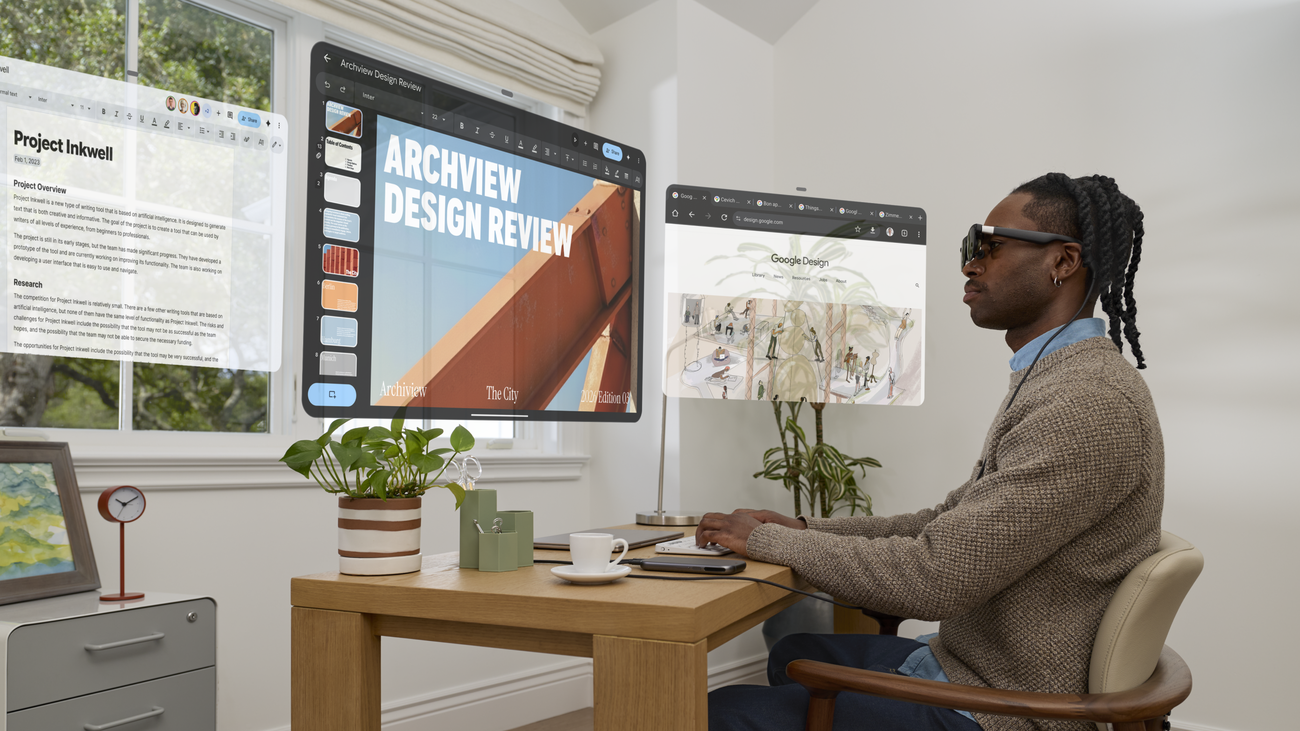
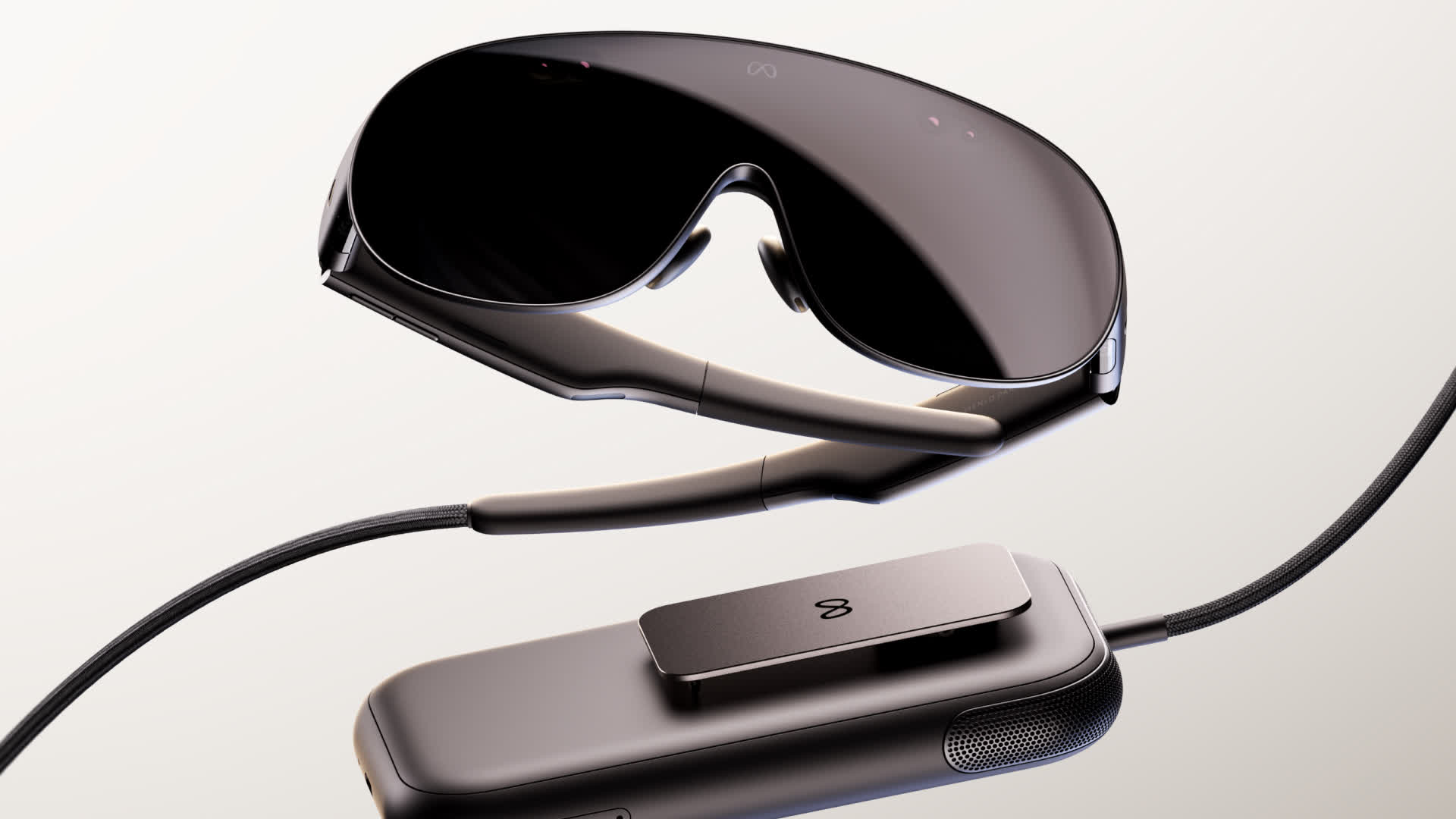
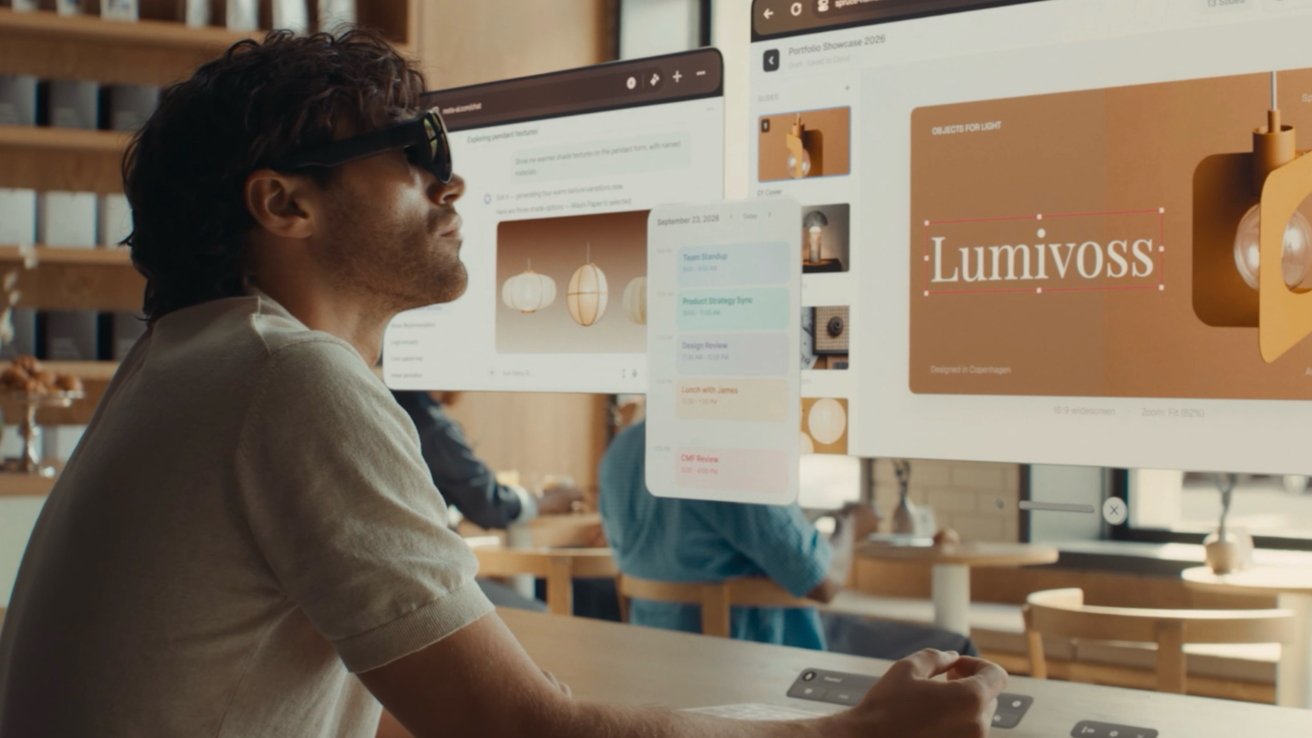
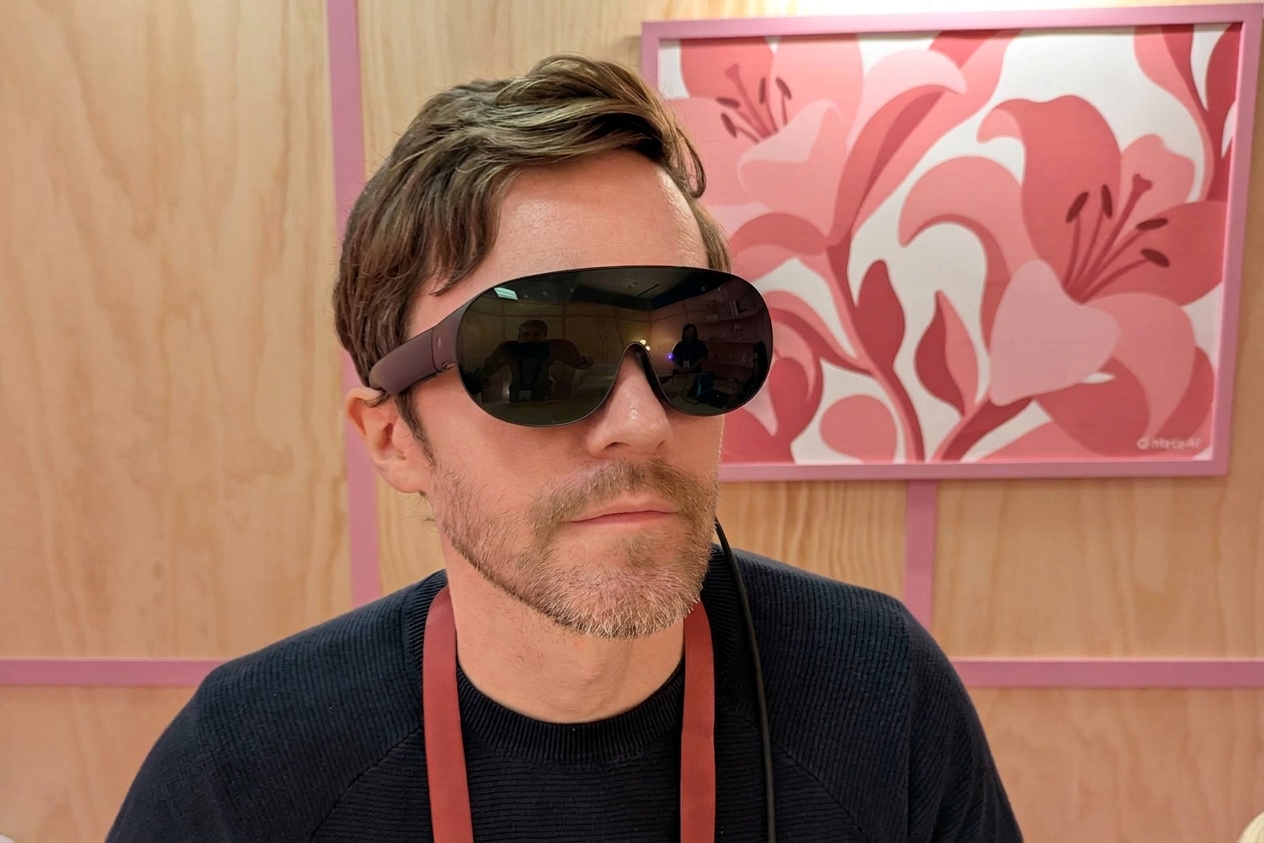
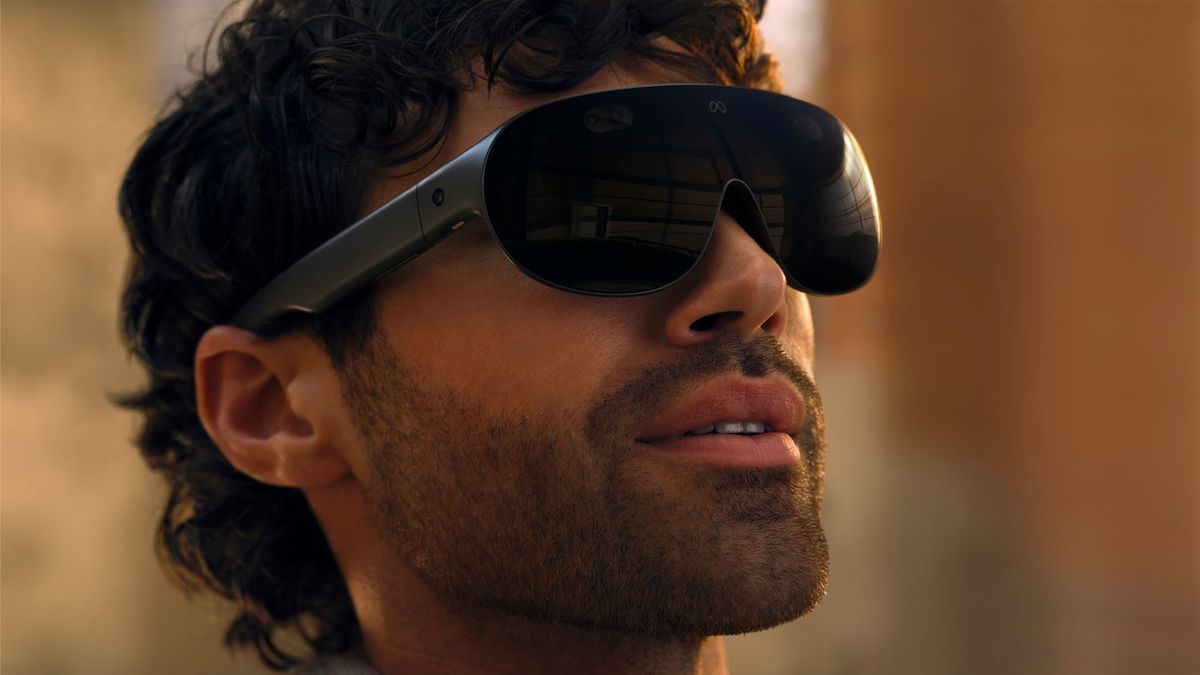
Meta unveiled its lightweight VR Glasses (100g, $1,299, shipping Spring 2027) at Connect 2026, directly positioning against Apple Vision Pro with a cinema-workspace-console form factor. The announcement signals a major strategic pivot toward affordable, tethered mixed reality over bulky standalone headsets. For XR builders, the critical signal is the narrowing gap between consumer VR and spatial computing—lightweight form factors and ecosystem integration are now table stakes.

5 min read/15 sources
Sep 28, 2026

AR/VR & Spatial Computing — 2026-09-28

Meta dominating the cycle: its Meta VR Glasses — a 100-gram, $1,299 tethered-puck spatial headset — stole the show at Meta Connect 2026, shipping Spring 2027. Meta made the biggest platform move this week, also rolling out new Ray-Ban-style AI glasses and a $249 audio glasses tier. The key signal for builders: Beat Saber's 'Flux' hand-tracking update signals a controller-free flagship experience built specifically for the new form factor.

4 min read/15 sources
Sep 21, 2026

AR/VR & Spatial Computing — 2026-09-21

Meta is poised to make the biggest move of the week, with reports indicating its next-generation "Project Phoenix" headset and full-body Codec Avatars could be demoed at Connect 2026. Meanwhile, the software ecosystem continues to mature with a fresh wave of VR titles hitting Quest and PC platforms, and Valve releasing a significant SteamVR update to support the upcoming Steam Frame. The most critical signal for builders is the shift toward photorealistic avatars and tethered modular hardware designs as platforms race for the next form factor breakthrough.

3 min read/15 sources
Sep 16, 2026

AR/VR & Spatial Computing — 2026-09-16

Valve's Steam Frame headset has officially launched, marking a significant hardware shift in the PC VR market. Meta's Project Phoenix headset design has leaked via firmware, revealing a tethered compute puck and slim profile ahead of its Connect unveiling. Pico's Space Pro has received FCC certification, signaling a Q4 release for its high-resolution mixed reality device.

4 min read/15 sources
Sep 14, 2026

AR/VR & Spatial Computing — 2026-09-14

Meta’s next-generation mixed reality headset, Project Phoenix, has leaked in full detail just ahead of its anticipated unveiling at Meta Connect, revealing a tethered, slim design that closely mirrors Google’s Android XR hardware. Meanwhile, Google is shifting focus from hardware specs to narrative utility, supporting three major XR film premieres at the Venice International Film Festival to drive content adoption. For developers and investors, the signal is clear: the industry is converging on a "tethered compute" architecture to balance high-fidelity optics with wearable form factors, while platform owners aggressively court creative industries to fill the content void.

5 min read/15 sources
Sep 12, 2026

AR/VR & Spatial Computing — 2026-09-12

Meta's next-generation mixed reality headset, "Project Phoenix," has leaked in Horizon OS firmware, revealing a slim, tethered design that signals a shift toward high-performance, PC-tethered experiences. Meanwhile, global VR headset shipments have dropped 18% year-over-year as Meta raises prices, despite maintaining a dominant 54% market share. The most critical signal for builders is the divergence between hardware sales struggles and robust content engagement, with major titles like *No Man's Sky* and *In Death: Unchained* driving active user retention.

5 min read/15 sources
Aug 28, 2026

AR/VR & Spatial Computing — 2026-08-28

The XR landscape is defined today by a sharp divergence between consumer stagnation and enthusiast innovation: while Apple reportedly pauses Vision Pro development and Meta delays its Quest 4, the open-source community achieved a breakthrough by unlocking the original Meta Quest bootloader. The most significant signal for the industry is the rapid rise of Pico, which has officially named its high-end "Space Pro" headset for a September 2 debut, directly challenging Apple’s premium positioning just weeks before Meta Connect.

4 min read/15 sources
Aug 21, 2026

AR/VR & Spatial Computing — 2026-08-21

The XR market is undergoing a significant strategic pivot as Apple reportedly moves its Vision Pro successor to 2028-2029, while the AI Smart Glasses market sees a surge in shipments of display-less devices. On the software front, the Quest ecosystem continues to dominate with a massive slate of new titles, including the official launch of *Into the Radius 2* and the announcement of *Streets of Miami*. For builders, the immediate signal is a consolidation of the headset market around Meta's Quest 3/3S, with the industry's focus shifting toward lightweight AI glasses and robust co-op gaming experiences.

5 min read/15 sources

Want your own AI intelligence feed?

Create custom signals on any topic. AI curates and delivers 24/7.

Create Signal

Powered by

CrewCrew