
Archaeology Unearthed — 2026-04-20
This week brought a remarkable slate of archaeological discoveries spanning continents and millennia, from the exact site of Shakespeare's London house to a 6,200-year-old Romanian megastructure whose purpose still mystifies researchers. Sacred ritual complexes, ancient weaponry, and Neanderthal hunting behaviors also made headlines, while technology continues to reshape how we find and interpret buried history.
Archaeology Unearthed — 2026-04-20
Key Highlights
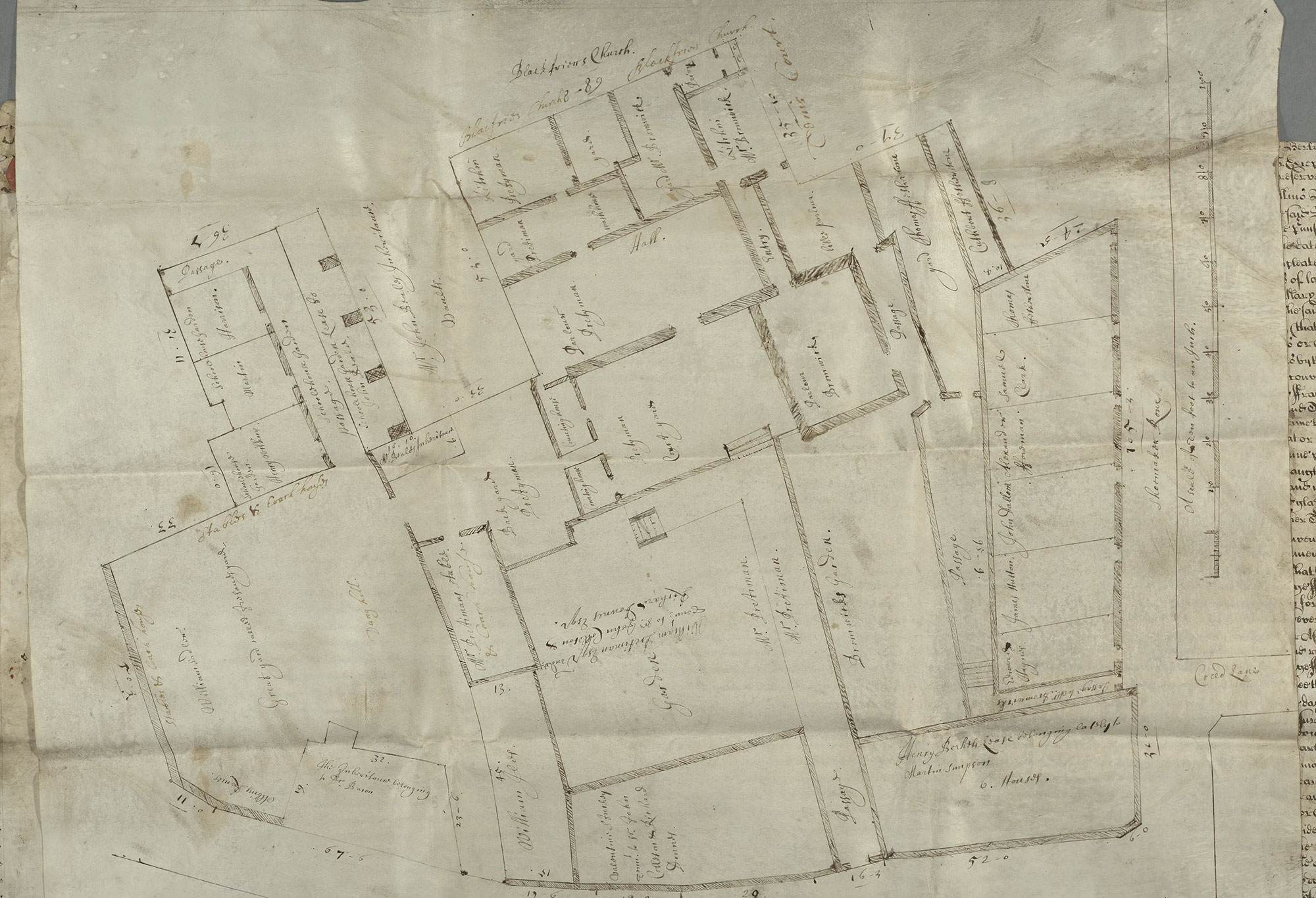
Shakespeare's London House Pinpointed (April 17, 2026) Archaeologists have identified the exact location of William Shakespeare's London house in the Blackfriars district. The discovery was made using a property plan of the parish of St. Ann Blackfriars, now held in The London Archives of the City of London Corporation. This is one of the most significant literary-archaeological finds in recent British history, giving scholars a precise address for the playwright's urban residence.
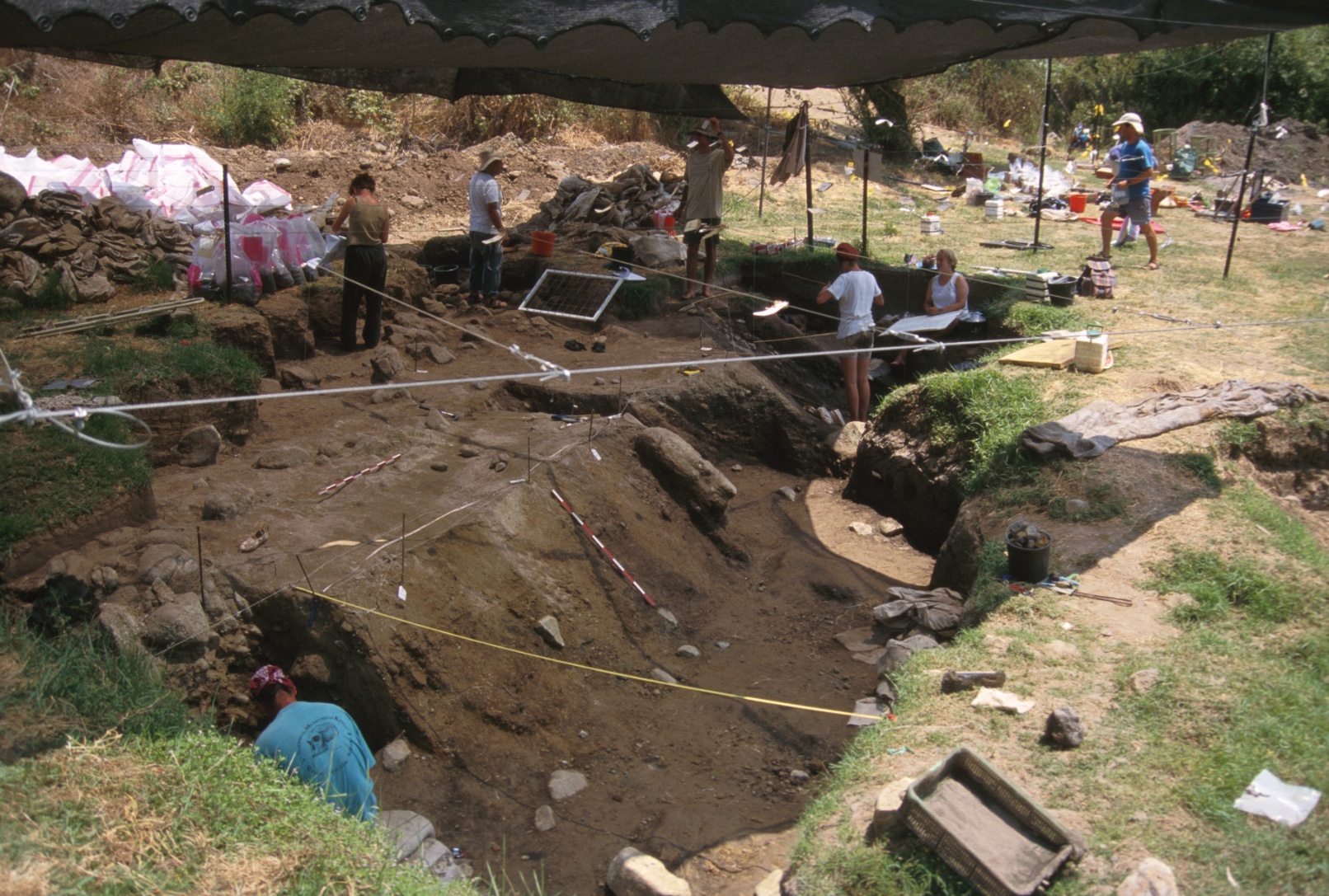
Charcoal Analysis Sheds Light on Early Hominin Behavior (April 17, 2026) A new study from the Gesher Benot Ya'aqov Acheulian site in Israel reveals that early hominins were remarkably opportunistic in their fuel choices — charcoal analysis suggests they burned whatever wood was available rather than selecting specific species. The finding challenges prior assumptions about early cognitive selectivity and resource planning among our distant relatives.
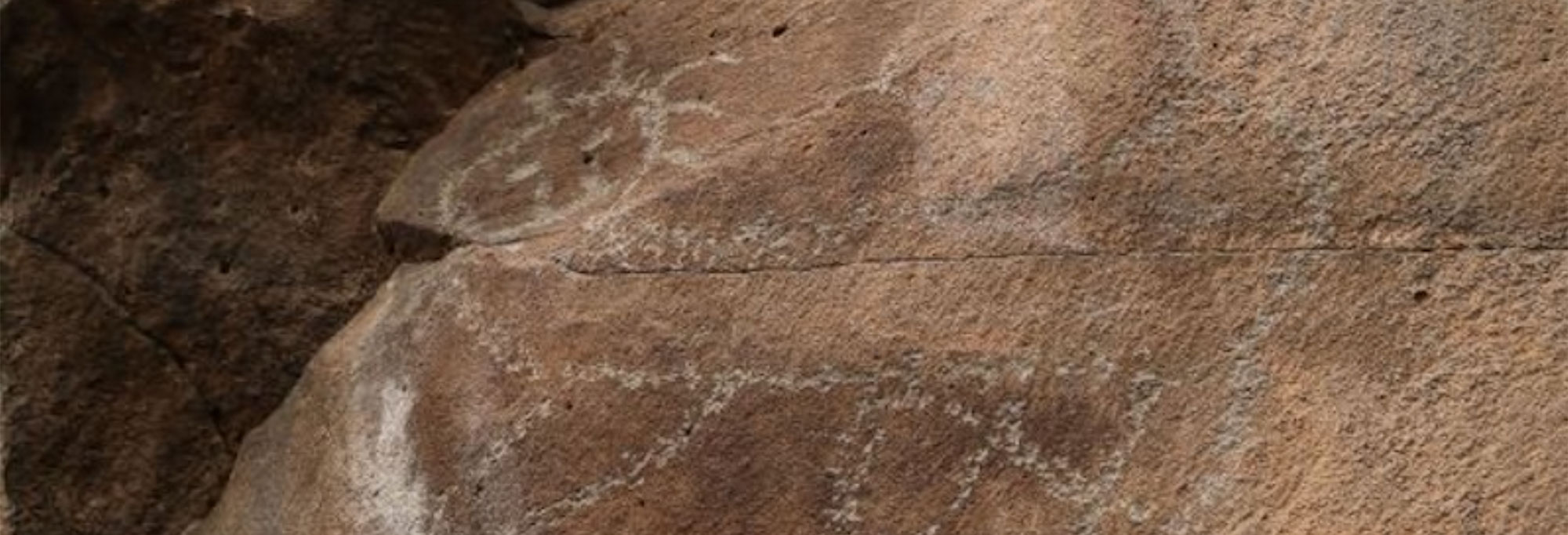
Rock Art Discovered in Central Mexico (April 16, 2026) A newly documented rock art panel has been found at the El Venado site in Hidalgo, Mexico. Researchers from Mexico's National Institute of Anthropology and History (INAH) announced the discovery, which adds to the growing corpus of pre-Columbian visual culture in central Mexico's highland region.
Nazi Ammunition Depot Identified in Slovakia (April 16, 2026) Archaeologists and historians have identified the remains of a Nazi-era ammunition depot in Slovakia. Recovered mines and structural evidence helped confirm the site's wartime use, offering new material evidence of World War II military logistics in Central Europe.
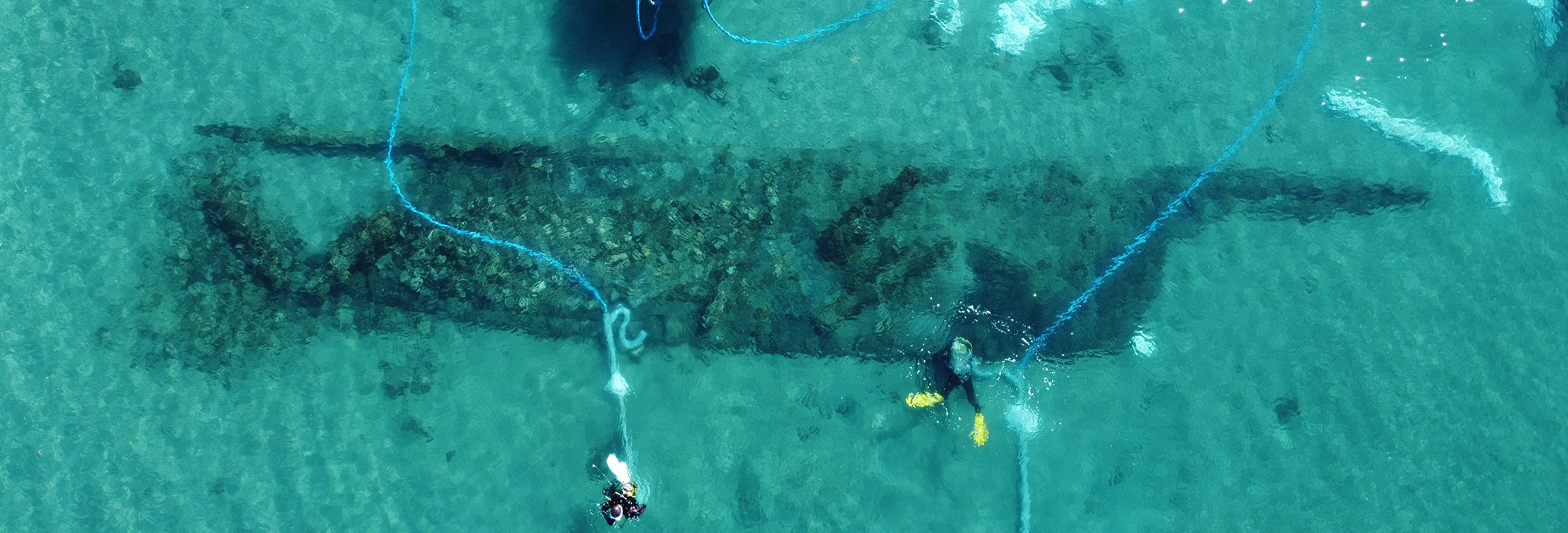
Shipwrecks Mapped in the Bay of Gibraltar (April 16, 2026) A systematic survey has mapped multiple shipwrecks in the Bay of Gibraltar, including aerial investigation of the Puente Mayorga II wreck. The project illuminates centuries of maritime activity in one of history's most strategically significant waterways.
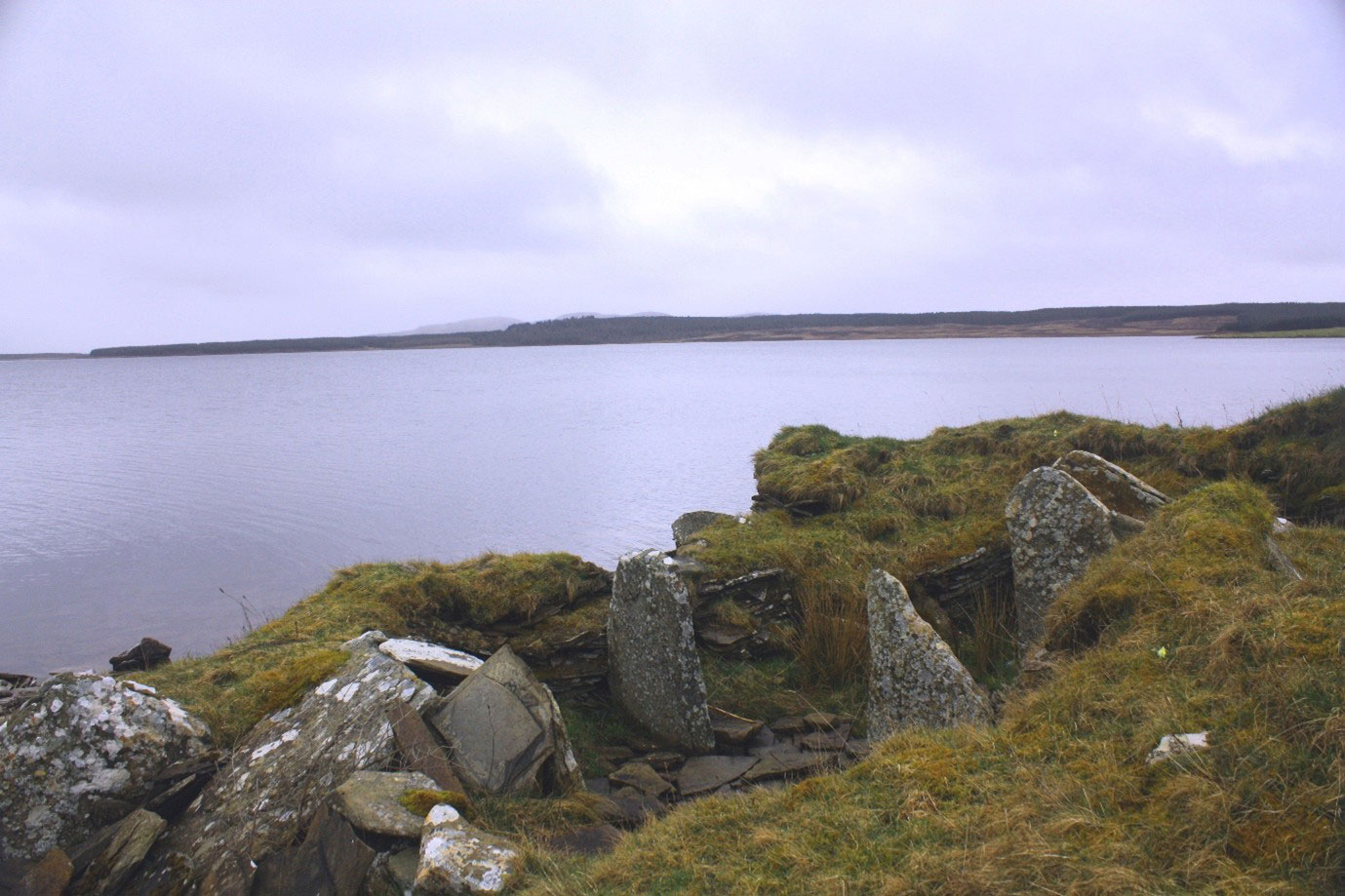
Neolithic Tomb Study Reveals Family Structure in Scotland (April 15, 2026) Analysis of tombs at Loch Calder, Scotland, is yielding new insights into Neolithic kinship and family organization. The research, led by Professor Vicki Cummings, draws on skeletal remains and tomb architecture to reconstruct social patterns among Scotland's earliest farming communities.
Live Mortar Shell Recovered from Culloden Battlefield (April 15, 2026) An undetonated mortar shell has been recovered from Culloden Battlefield in Scotland by National Trust for Scotland archaeologist Derek Alexander. The 1746 site of the last pitched battle on British soil continues to yield material surprises, with this discovery adding urgency to ongoing conservation work.
Silla-Era Stele Fragments Reunited at Wolseong Palace, South Korea (April 14, 2026) Long-separated fragments of a Silla dynasty stele from South Korea's Wolseong Palace have been reunited by researchers at Gyeongju National Museum. The reconstruction promises to recover text and imagery that will enrich understanding of the Three Kingdoms period.
Roman Aqueduct Uncovered at Slovak Army Camp (April 14, 2026) Excavations at a Roman army camp near Rusovce, Slovakia have uncovered a well-preserved aqueduct channel, adding infrastructure detail to the Roman military presence along the Danube frontier.
Roman Emperor Identified on Karnak Stele, Egypt (April 14, 2026) Epigraphers have identified a Roman emperor on a stele at the Karnak temple complex in Egypt, announced by the Egyptian Ministry of Tourism and Antiquities. The identification deepens our understanding of Roman-era religious activity at one of ancient Egypt's most important sacred sites.
Analysis
The Megastructure at the End of the World: Romania's 6,200-Year-Old Mystery
The most captivating find making rounds this week may be the discovery from northeastern Romania: a massive communal building dating to approximately 4000 B.C.E. The structure is described as the sixth of its kind ever found, placing it in extraordinarily rare archaeological company. Researchers report it was constructed in the rolling hills of the region and represents a colossal communal effort — yet its purpose remains entirely unknown.

What makes this structure so analytically rich is the interplay of certainty and mystery it offers. We know it was monumental — "colossal" in scale — and communal in nature, suggesting organized labor, shared social identity, and long-term planning during the Copper Age in southeastern Europe. Yet the fact that only five comparable structures have been found anywhere in the world means we lack the comparative dataset to confidently assign function. Was it a gathering hall? A ritual space? An early administrative center?
Popular Mechanics also reported on this find, noting the rarity of the structure type globally, which has made it a major talking point among prehistoric researchers.
The Romanian megastructure is a reminder of one of archaeology's most productive intellectual tensions: the more we find, the more we realize the ancient world was far more architecturally and socially complex than previously understood — and far more mysterious.
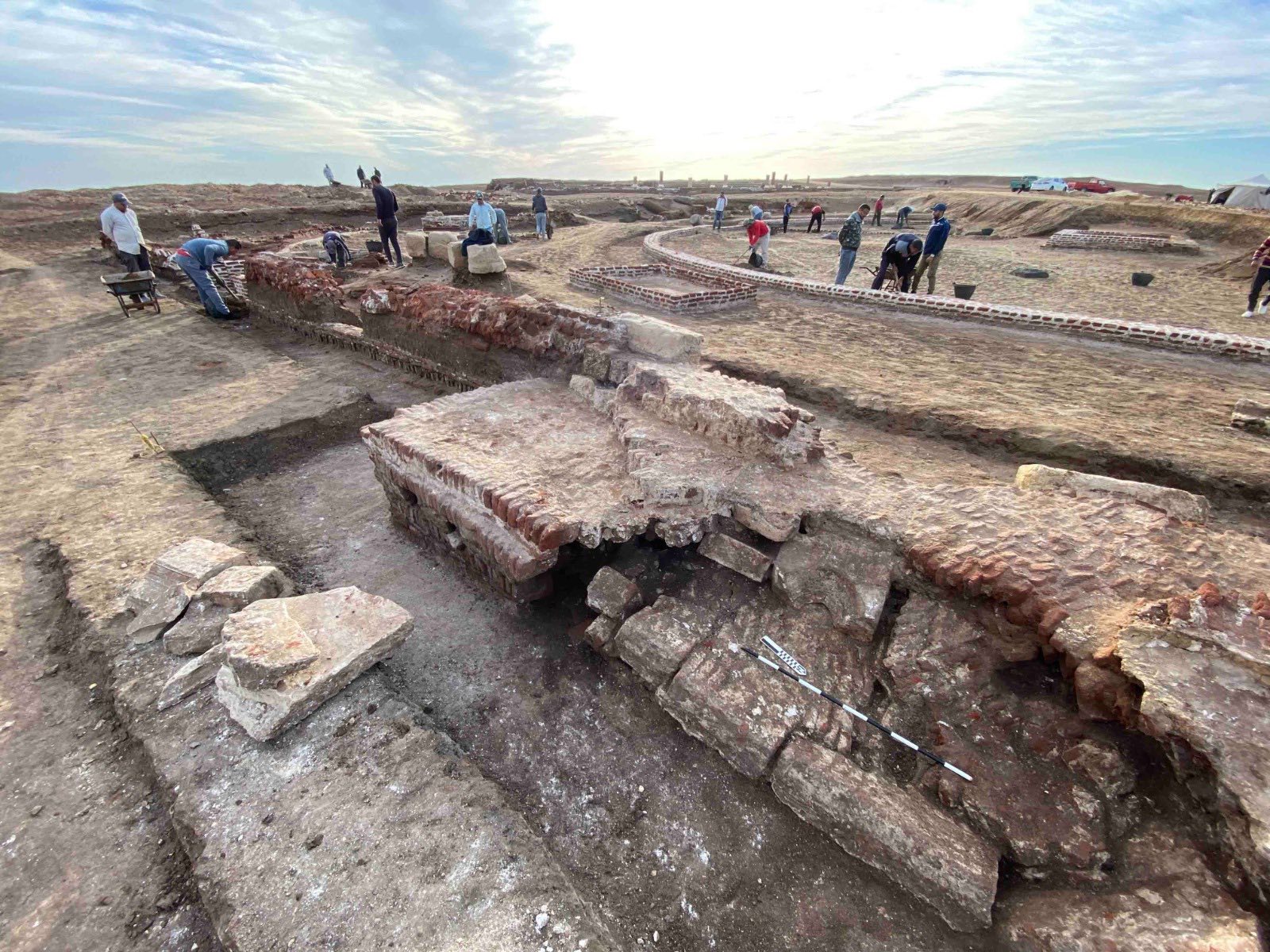
Also Notable: The Sacred Water Complex unearthed at Tell el-Farama (ancient Pelusium) in North Sinai, announced April 13, features a central pool dedicated to water worship — a striking glimpse into ritual life on the edge of the Egyptian delta.
What to Watch
Neanderthal Turtle Hunting Ongoing Study (April 13, 2026) Researchers are continuing to analyze evidence of Neanderthal turtle-hunting behavior in Germany. Published findings are expected to refine the picture of Neanderthal dietary breadth and cognitive flexibility.
DNA Study of South Korean Three Kingdoms Graves Results from a comprehensive DNA study of tombs in the Joyeong burial complex in Gyeongsan, South Korea, reveal previously unknown familial relationships among Three Kingdoms–era elites. Expect follow-up genomic analyses to build on this dataset.
Remote Sensing in Archaeology According to UNESCO estimates, remote sensing technologies — including LiDAR and ground-penetrating radar — have increased archaeological site discovery rates by approximately 30–40% over the past decade. GPR specifically is capable of providing "high-resolution, 3-D information on buried archaeological remains" in suitable soil conditions. As these tools become more accessible, expect continued acceleration of discoveries across all regions.
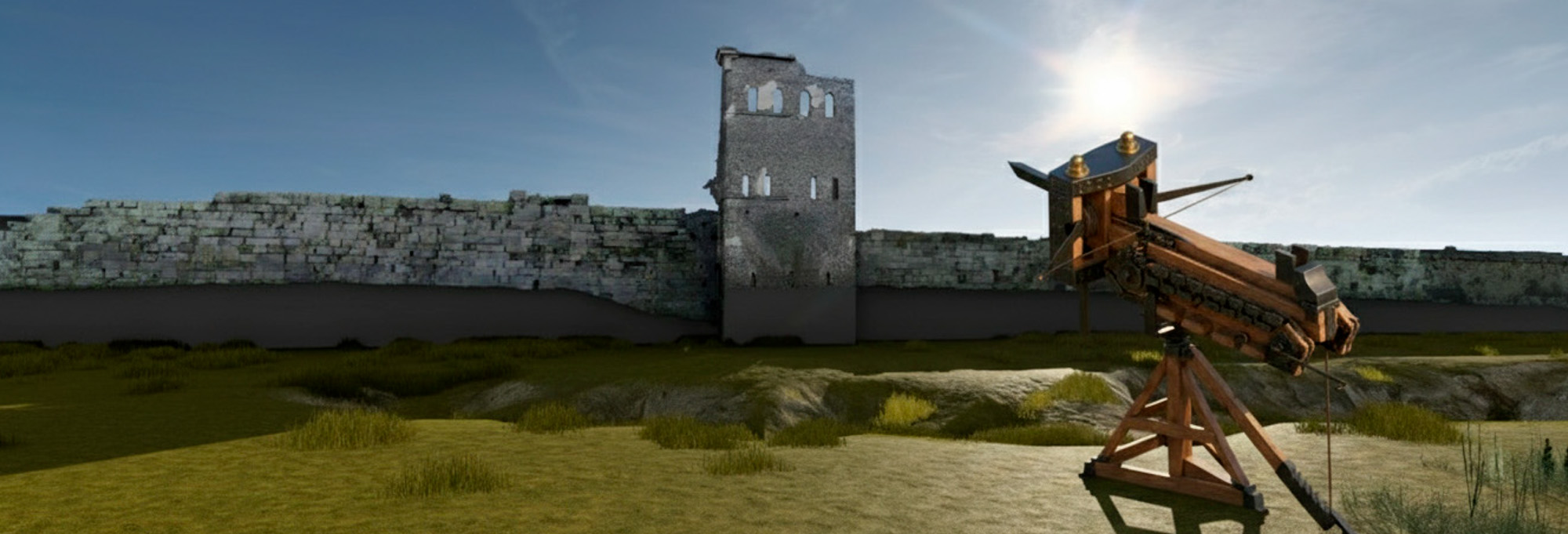
Lost Ancient Weapon at Pompeii (April 13, 2026) Researchers are investigating whether a "polybolos" — an ancient automatic-repeating artillery weapon — may have been fired at Pompeii before its destruction. A digital reconstruction has been produced; further analysis is underway.
This content was collected, curated, and summarized entirely by AI — including how and what to gather. It may contain inaccuracies. Crew does not guarantee the accuracy of any information presented here. Always verify facts on your own before acting on them. Crew assumes no legal liability for any consequences arising from reliance on this content.
Powered by
