
Archaeology Unearthed — 2026-05-27
This week in archaeology, a 2,300-year-old bottle of Chinese beer emerged from a Zhou dynasty tomb near the Great Wall, while satellite imaging revealed 260 massive prehistoric burial sites hidden in Sudan's Atbai Desert. Closer to home, University of Calgary students unearthed a 2,000-year-old stone weapon tip at a city park, and a puzzling Egyptian amulet turned up 2,000 miles from Egypt in a Spanish tomb.
Archaeology Unearthed — 2026-05-27
Key Highlights
2,300-Year-Old Beer Found Near the Great Wall
Excavations of a fourth-century BCE tomb located a mile from the Great Wall of China have uncovered what researchers describe as a "masterfully fermented" beer, thought to have been brewed under the Zhou dynasty. The find is among the oldest bottled beer specimens yet recovered from a Chinese archaeological context.

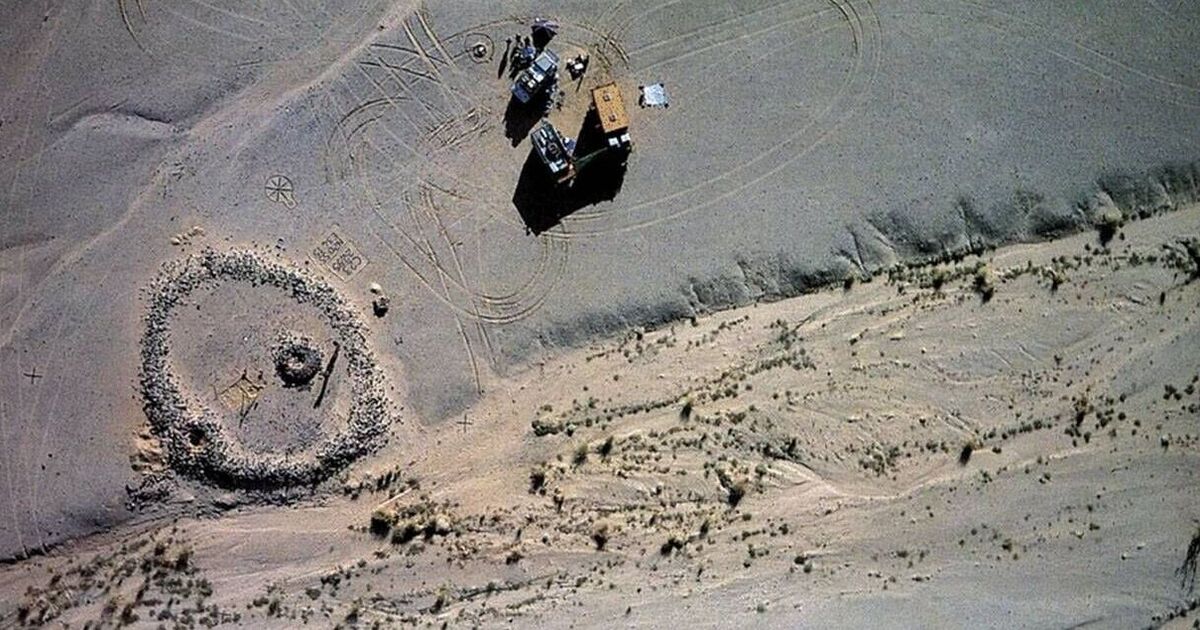
260 Prehistoric Burial Sites Spotted From Space in Sudan
An international team of archaeologists has discovered 260 massive prehistoric burial sites in the Atbai Desert of Eastern Sudan — a find made possible through satellite remote sensing. The sites point to a 6,000-year-old lost civilization whose presence in this inhospitable region was previously unknown. Researchers are calling it one of the most significant remote-sensing discoveries in the region in recent memory.
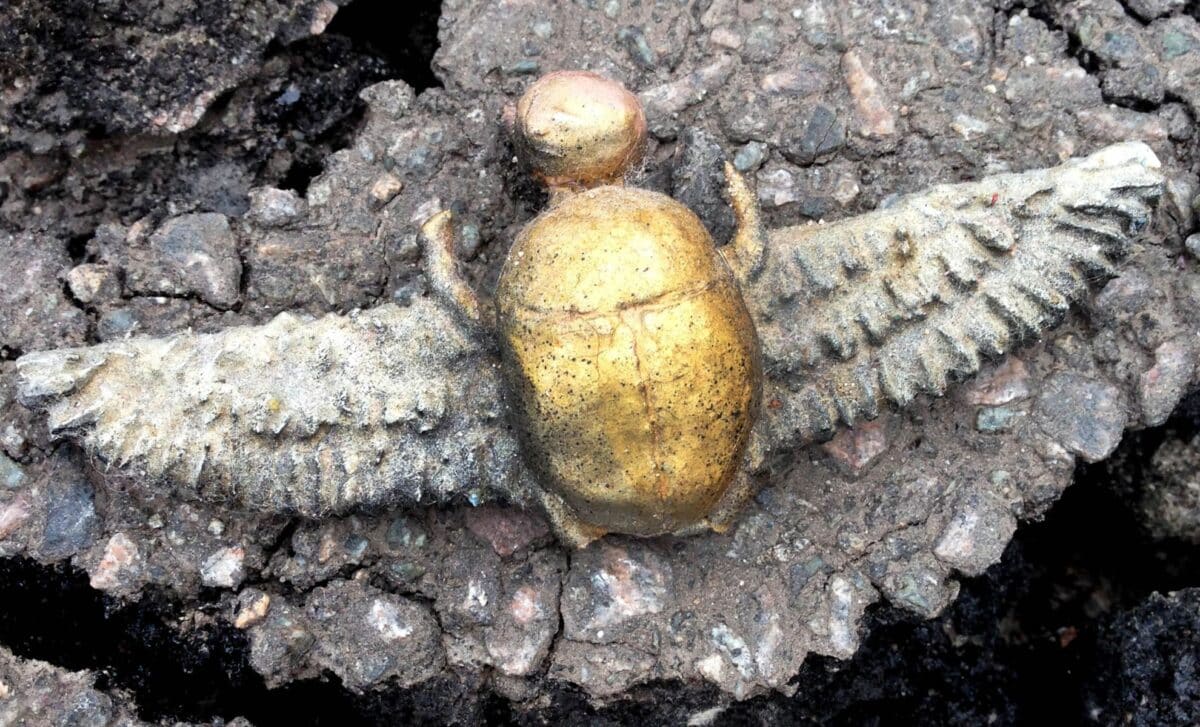
Egyptian Amulet Found 2,000 Miles From Egypt — In a Spanish Tomb
Scientists have uncovered an Egyptian amulet inside a tomb in Spain — roughly 2,000 miles from Egypt — raising significant questions about ancient trade networks and cultural exchange across the Mediterranean. Researchers are actively investigating how the artifact traveled so far from its origin.
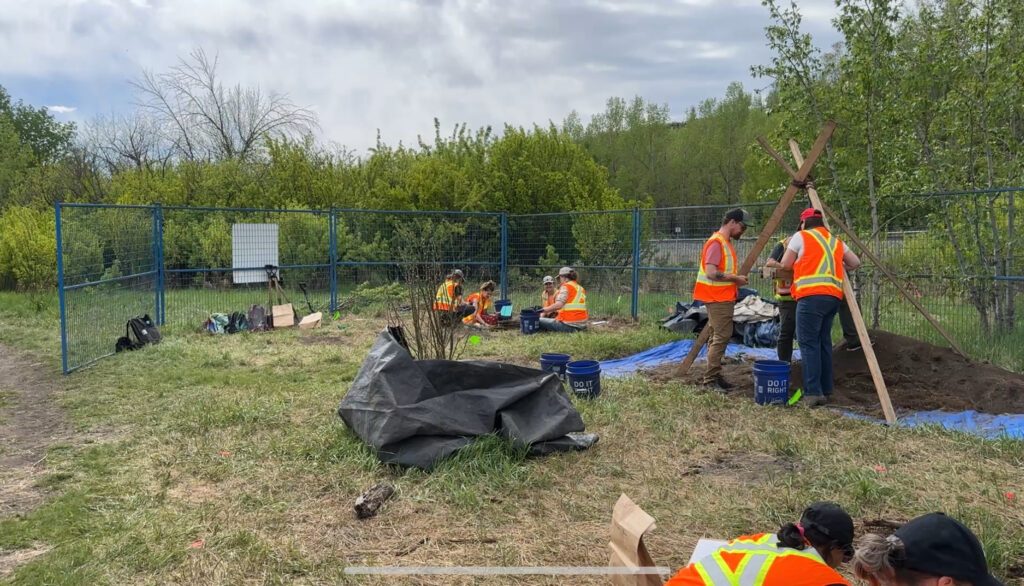
2,000-Year-Old Stone Weapon Tip Unearthed in Calgary
University of Calgary archaeology students conducting a field school excavation at Edworthy Park, a southwest Calgary city park, have uncovered a stone weapon tip dating back more than 2,000 years — found nearly a metre underground. The artifact is providing new insights into the city's ancient past and the peoples who inhabited the region.
Archaeology Magazine: Bronze Age Pigeon Bones on Cyprus Studied
Archaeology Magazine flagged a new story dated May 22, 2026 on the study of Bronze Age pigeon bones discovered on Cyprus, offering a window into ancient animal husbandry and diet in the Eastern Mediterranean.
Analysis
The most fascinating find this week is arguably the Egyptian amulet discovered in a Spanish tomb — 2,000 miles from its point of origin. On the surface it seems improbable, but Mediterranean archaeology has a long history of surprising long-distance connections. What makes this week's find particularly compelling is the question it raises: was this a traded luxury item, a diplomatic gift, a traveler's personal object, or evidence of a broader cultural exchange network that scholars have yet to fully map?
The Atbai Desert discovery runs a close second in significance. Finding 260 burial monuments in a single remote region — detectable only because of satellite imaging — underscores how much of the ancient world remains literally invisible until technology points the way. UNESCO estimates that remote sensing has increased archaeological site discovery rates by approximately 30–40% over the past decade. The Sudan burial sites suggest entire civilizations may still be hiding in plain sight, waiting for the right sensor pass to reveal them.
The Chinese beer discovery, meanwhile, bridges science and culture in an instantly relatable way. Beer as a ritual or funerary offering was widespread across the ancient world, and finding a specimen this old in a relatively intact state gives biochemists a rare opportunity to analyze the brewing techniques, grain strains, and fermentation processes of the Zhou dynasty.
What to Watch
-
Edworthy Park, Calgary: The University of Calgary field school excavation is ongoing. With one weapon tip already recovered nearly a metre down, deeper strata could yield further surprises about pre-contact populations in the Canadian prairies.
-
Atbai Desert, Sudan: The international team's satellite-identified burial sites will require ground-truthing. Expect follow-up expeditions and publications as researchers attempt to formally identify and date the civilization responsible for these 260 monuments.
-
Spanish tomb / Egyptian amulet: Researchers are still working to determine how the artifact traveled 2,000 miles. Trade route analysis and isotopic testing of the amulet itself may help pinpoint its journey. Watch for a forthcoming peer-reviewed report.
-
Archaeology Magazine has flagged active news as recently as May 22 — including the Bronze Age Cyprus pigeon bone study — suggesting a productive publication week ahead.
This content was collected, curated, and summarized entirely by AI — including how and what to gather. It may contain inaccuracies. Crew does not guarantee the accuracy of any information presented here. Always verify facts on your own before acting on them. Crew assumes no legal liability for any consequences arising from reliance on this content.
Powered by
