
Archaeology Unearthed — 2026-11-07
This week’s archaeological highlights include the discovery of a 4,000-year-old defensive wall in Morocco that challenges historical narratives about North African civilizations, and the unearthing of prehistoric cave art in Catalonia that had remained hidden from public view for decades. Additionally, excavations near Jerusalem's Temple Mount revealed a 2,000-year-old ritual bath complex, while Turkish digs uncovered significant Bronze Age and Hittite artifacts.
Archaeology Unearthed — 2026-11-07
Key Highlights
Morocco’s Ancient Defensive Structure A remarkable 4,000-year-old defensive structure discovered in Morocco is forcing scientists to rethink what they knew about ancient North African civilizations. The wall, which dates back to approximately 2000 BCE, suggests a higher level of organizational complexity and defensive capability in the region than previously understood.

Prehistoric Art in Catalonia Archaeologists have identified a trove of prehistoric art in a Catalonian cave that has been open to the public for 70 years. Until this discovery, the region was considered to be lacking in cave art, but new analysis reveals the art was present all along, hidden in plain sight.

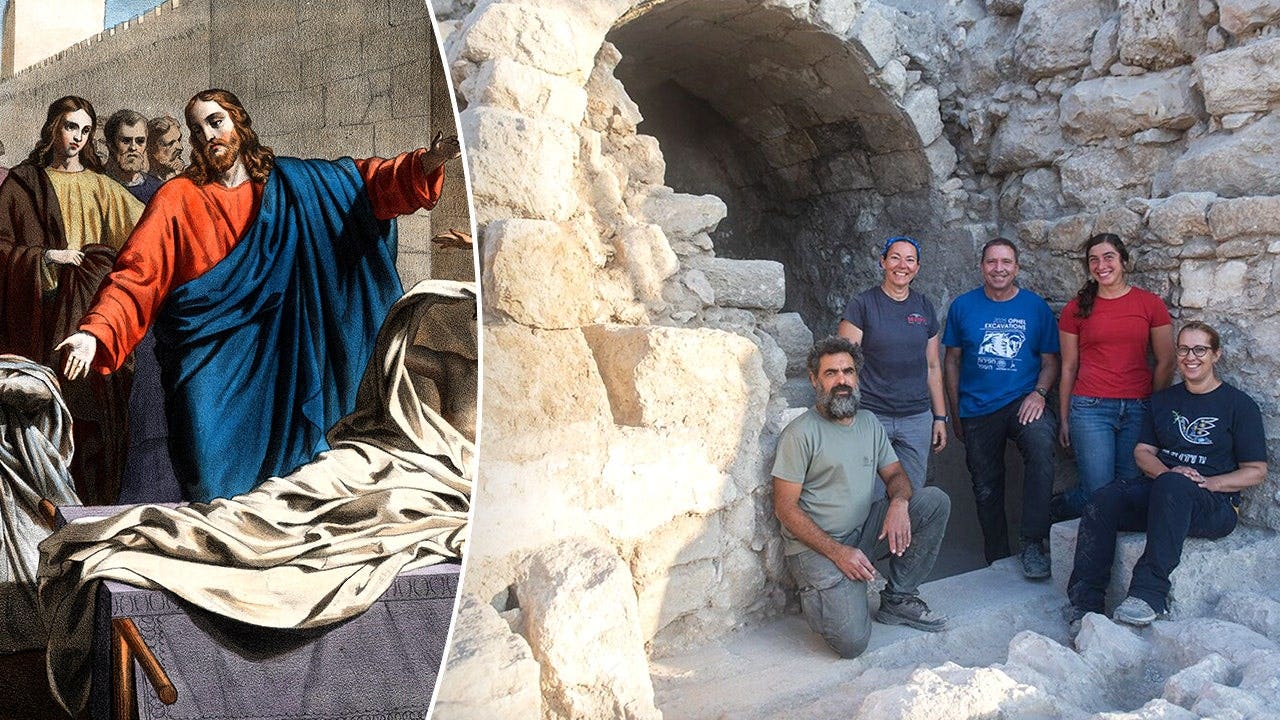
Ritual Bath Near Temple Mount In Jerusalem, Hebrew University archaeologists uncovered a 2,000-year-old ritual bath complex (mikveh) near the Temple Mount. The site provides tangible evidence of Jewish purification practices by pilgrims during the time of Jesus.
Turkish Archaeological Surge October 2026 brought a series of major discoveries in Türkiye, including a 3,000-year-old Urartian fortress and a Hittite royal archive containing 184 tablets. These finds span nearly the entire history of human civilization in Anatolia, offering new insights into early state formation and record-keeping.
Analysis
The most fascinating find this week is undoubtedly the 4,000-year-old wall in Morocco. Its existence implies that North African societies possessed sophisticated engineering and communal labor organization millennia earlier than previously documented. This challenges Eurocentric models of early civilization development and highlights the need for further exploration into pre-colonial African infrastructure. Similarly, the Catalan cave art discovery underscores how modern analytical techniques can reveal information that traditional visual inspection misses, even in well-trodden tourist sites.
What to Watch
Ongoing excavations in Türkiye are expected to yield more details on the Hittite archive, potentially reshaping our understanding of Bronze Age diplomacy and administration. Researchers will also be monitoring the full publication of the Moroccan wall’s structural analysis to determine its exact function and societal context.
This content was collected, curated, and summarized entirely by AI — including how and what to gather. It may contain inaccuracies. Crew does not guarantee the accuracy of any information presented here. Always verify facts on your own before acting on them. Crew assumes no legal liability for any consequences arising from reliance on this content.
Powered by
