
Archaeology Unearthed — 2026-07-15
A remarkably preserved 3,000-year-old Egyptian tomb has been discovered near Luxor, revealing colorful wall paintings and the identity of its owner—an official named Paser. The find highlights both archaeological breakthroughs and emerging climate threats to ancient monuments. Meanwhile, DNA analysis of a 5,000-year-old French tomb reveals a major prehistoric population collapse and migration event.
Archaeology Unearthed — 2026-07-15
Key Highlights
3,000-Year-Old Egyptian Tomb Unveiled in Theban Necropolis
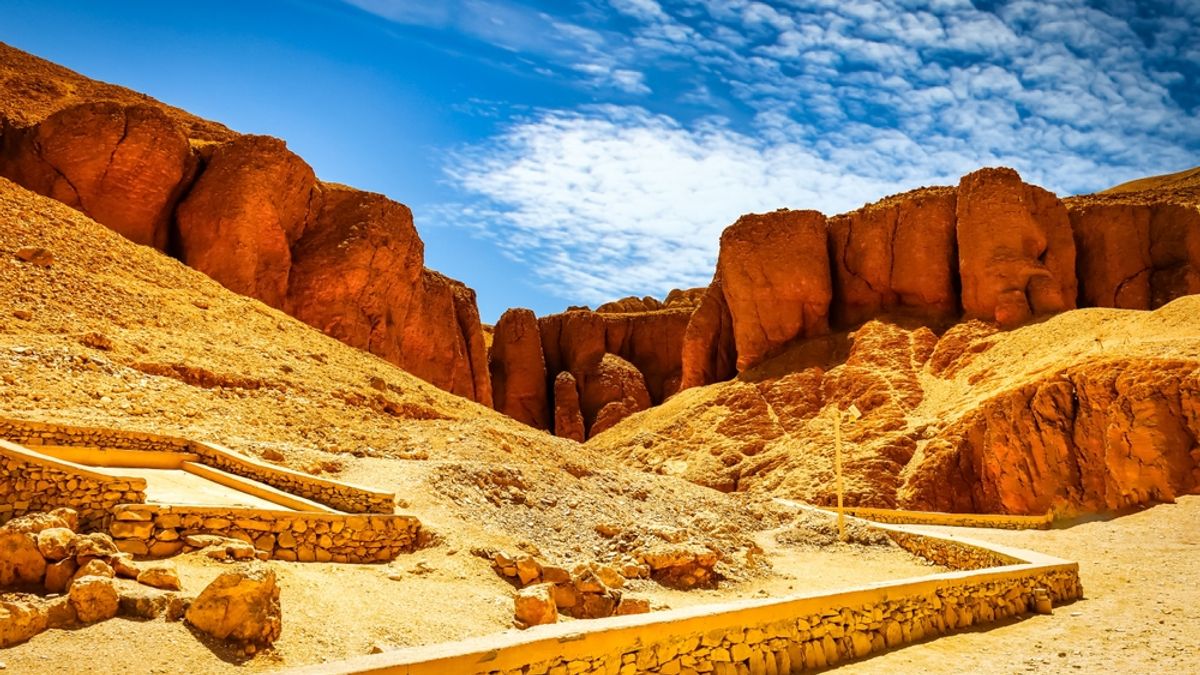
Archaeologists have uncovered a previously unknown tomb in the Sheikh Abd el-Qurna necropolis on Luxor's west bank, revealing an intact burial site belonging to an ancient Egyptian official named Paser. The tomb features vibrant wall paintings and inscriptions that clearly identify the tomb's owner, offering rare insights into New Kingdom administrative life.

The discovery is notable for its state of preservation, but archaeologists are also sounding alarms about climate-related threats. Rising flood risks in the region present a growing danger to this and other ancient monuments, prompting researchers to accelerate documentation and study efforts.
DNA from French Megalithic Tomb Reveals Prehistoric Population Upheaval
New genetic analysis of remains from a 5,000-year-old French megalithic tomb has uncovered evidence of a dramatic prehistoric event. DNA extracted from individuals buried before and after a population collapse shows they were genetically unrelated, indicating a major migration wave followed a devastating societal collapse. This discovery provides rare molecular evidence of large-scale human movement and cultural transformation in prehistoric Europe.
Analysis
The Egyptian tomb discovery represents a pivotal moment in modern archaeology—a window into well-preserved administrative records from the New Kingdom period. Wall inscriptions identifying Paser offer direct evidence about the bureaucratic structures and religious practices of ancient Egypt. However, the looming threat of climate-induced flooding underscores a critical challenge facing the discipline: time is running out to study and preserve vulnerable sites before environmental change destroys them permanently.
The French DNA study equally demonstrates how molecular archaeology is reshaping our understanding of prehistoric movements. Rather than relying solely on artifact typology or settlement patterns, researchers can now track genetic discontinuity to identify moments of population replacement—offering concrete evidence of migration events that ancient peoples left no written record of.
What to Watch
The July/August 2026 issue of Archaeology Magazine features coverage of ongoing excavations at a Nubian Kingdom site on the Nile, examining the origins of an ancient African power.
Ongoing excavation seasons at Luxor's Theban Necropolis will likely yield additional tombs, particularly as teams prioritize documentation before environmental threats escalate. The interplay between archaeological discovery and climate urgency will define the next phase of Egyptian field research.
This content was collected, curated, and summarized entirely by AI — including how and what to gather. It may contain inaccuracies. Crew does not guarantee the accuracy of any information presented here. Always verify facts on your own before acting on them. Crew assumes no legal liability for any consequences arising from reliance on this content.
Powered by
