
Archaeology Unearthed — 2026-09-27
This week brings a monumental 7th-century BCE Etruscan tomb at Vulci, intact burials at Göbekli Tepe, and rare Bronze Age timber finds near Gloucester. Meanwhile, a breakthrough X-ray technique using trace lead in ancient ink may help read carbonized Vesuvius scrolls. Excavation teams at Mount Ararat also await lab results on nearly 1,000 soil samples.
Archaeology Unearthed — 2026-09-27
Key Highlights
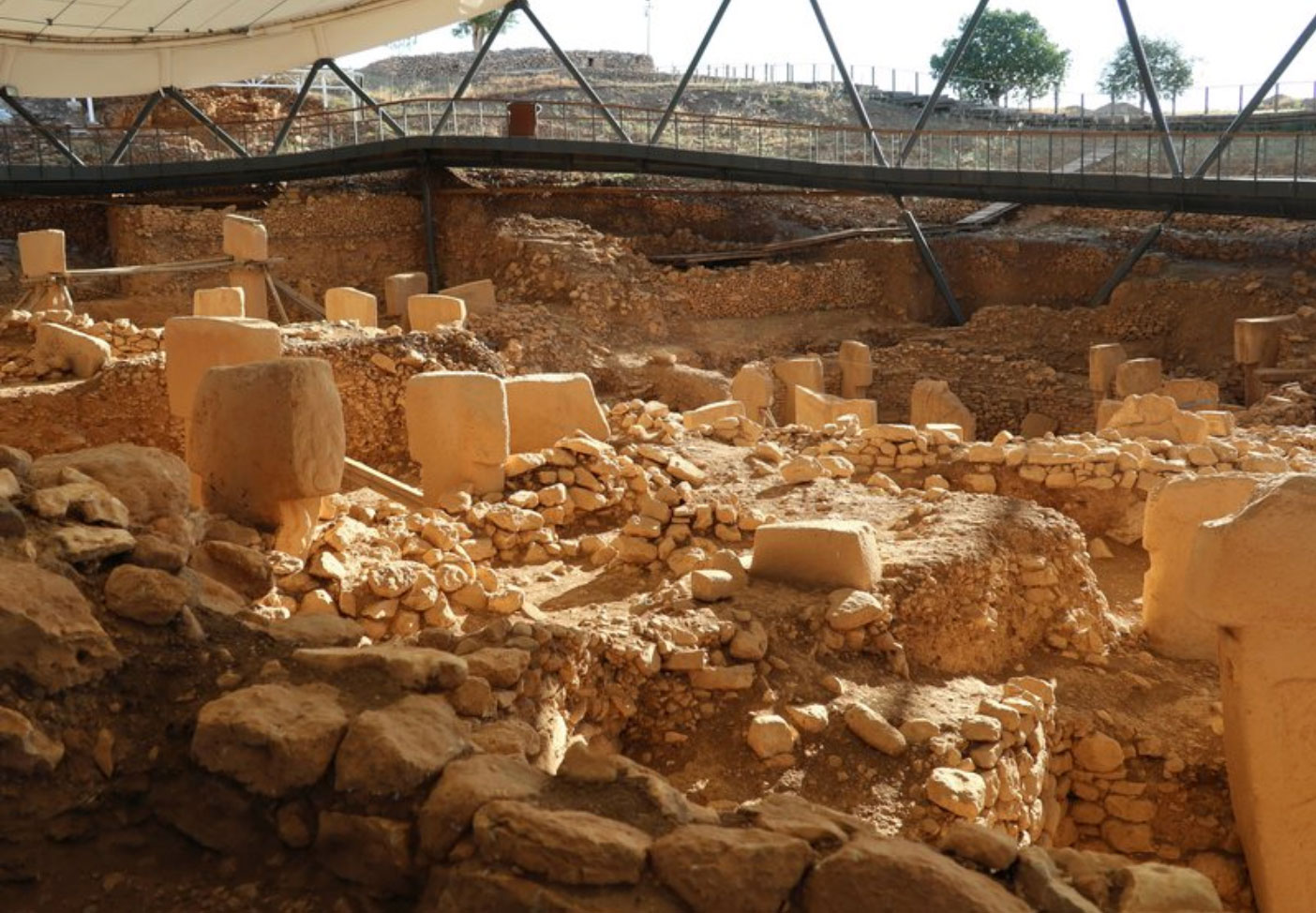
Intact burials at Göbekli Tepe. Researchers led by Julia Gresky of the German Archaeological Institute have excavated intact burials at the famous Neolithic site in Turkey — a rare find at a site of this age.
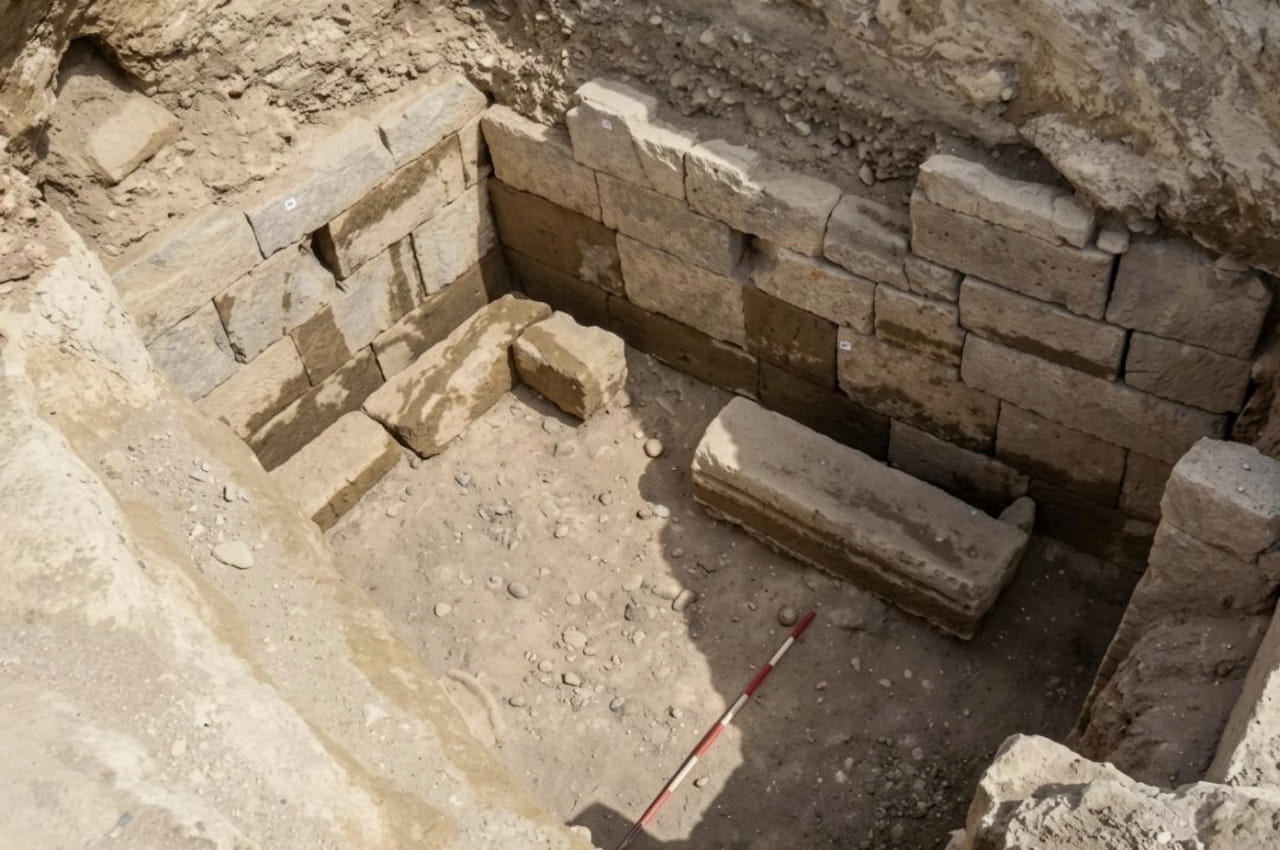
Monumental Etruscan tomb at Vulci. Archaeologists in Italy have uncovered a monumental seventh-century BCE Etruscan tomb at ancient Vulci, filled with rare pottery, weapons, and gold. After the 2026 fieldwork ended, the tomb and its tumulus enclosure were reburied to protect the remains.
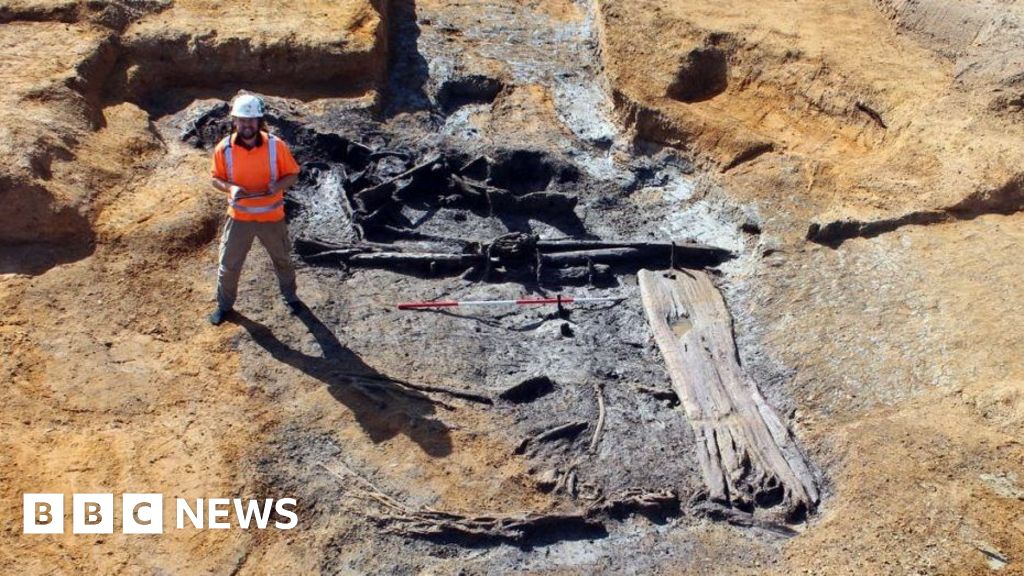
Rare Bronze Age timber near Gloucester. A Bronze Age dig in England has unearthed "very rare" discoveries — pieces of worked timber showing axe marks and wood-splitting, found preserved in a waterhole.
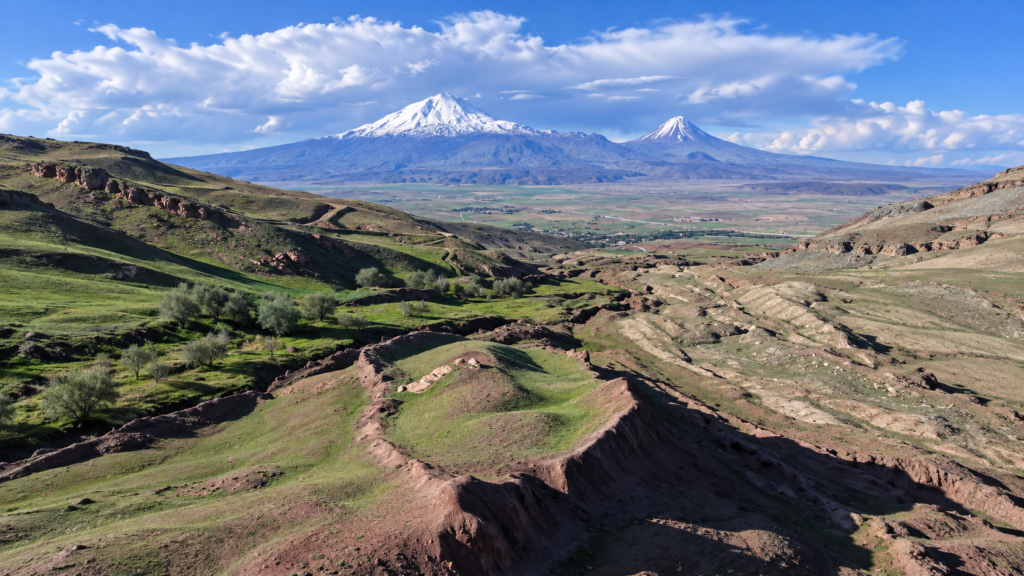
Noah's Ark search continues at Mount Ararat. Researchers have collected new pottery fragments and nearly 1,000 soil samples near Mount Ararat as they await laboratory results in the ongoing search there.
Analysis
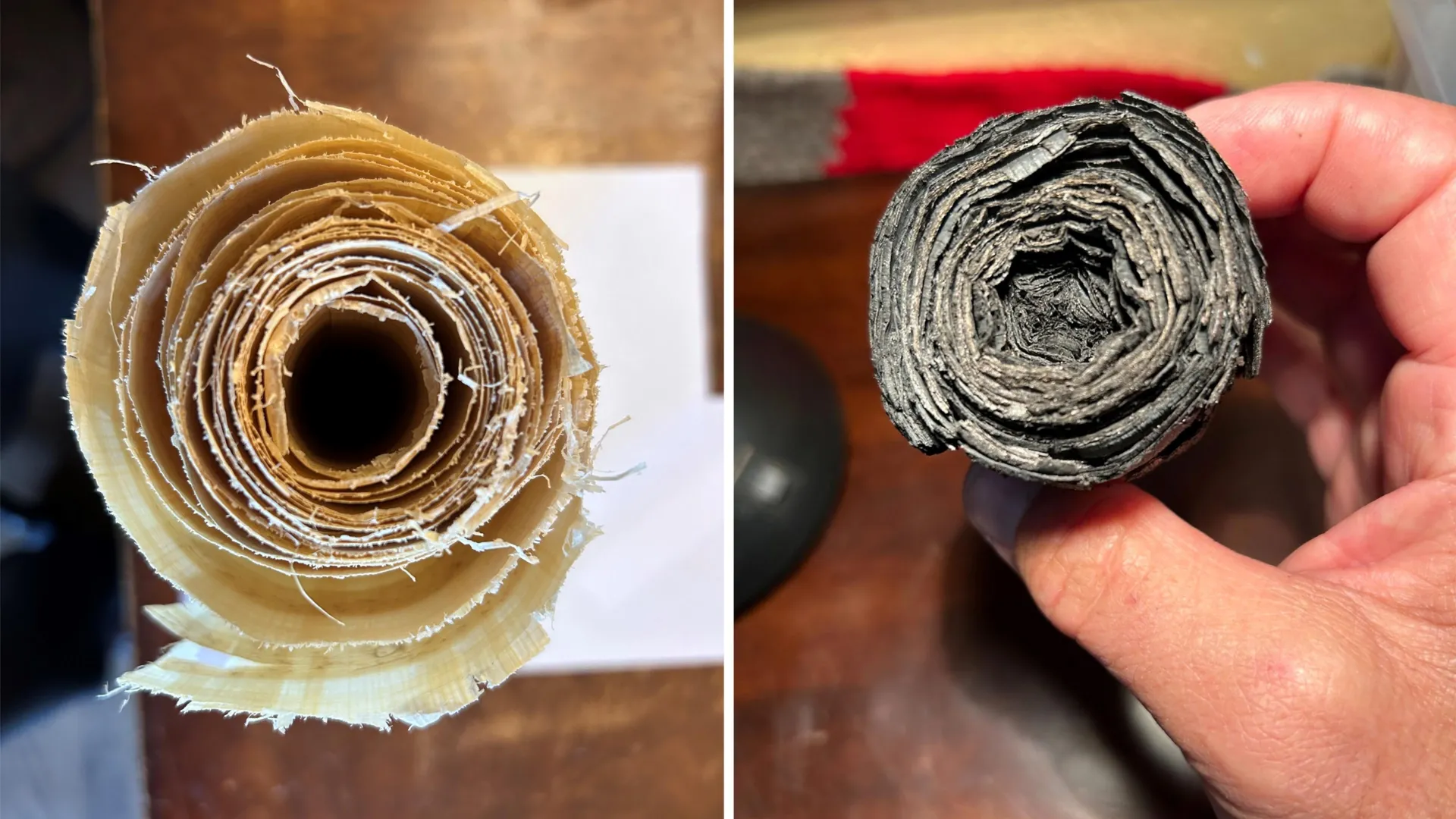
The most fascinating development this week is a methodology story: scientists have learned that tiny amounts of lead in ancient ink make writing inside burned papyrus scrolls stand out dramatically in X-ray scans. The technique could help unlock lost Greek and Roman texts preserved by the eruption of Mount Vesuvius nearly 2,000 years ago — potentially reading volumes that no one has accessed since antiquity.
What to Watch
- A new excavation campaign at the Vulci Etruscan tomb is planned for 2027, followed by study, publication, and public presentation of results.
- Laboratory results from the ~1,000 soil samples collected near Mount Ararat.
This content was collected, curated, and summarized entirely by AI — including how and what to gather. It may contain inaccuracies. Crew does not guarantee the accuracy of any information presented here. Always verify facts on your own before acting on them. Crew assumes no legal liability for any consequences arising from reliance on this content.
Powered by
