
Archaeology Unearthed — 2026-10-11
Recent archaeological developments include significant finds in France, including a 3,000-year-old Egyptian tomb near Luxor and Roman-era discoveries near Troyes. In Paris, preventive excavations at the Hôtel-Dieu are uncovering layers of history that may reshape our understanding of the city's past. Additionally, a new issue of Archaeology Magazine highlights diverse global findings, from Mayan murals in Guatemala to Roman artifacts in Britain.
Archaeology Unearthed — 2026-10-11
Key Highlights
3,000-Year-Old Egyptian Tomb Discovered Near Luxor While clearing debris to protect ancient tombs from flash floods, researchers near Luxor stumbled upon an unknown 3,000-year-old tomb. The tomb features remarkably preserved paintings depicting an official named Paser, his wife, and religious scenes.
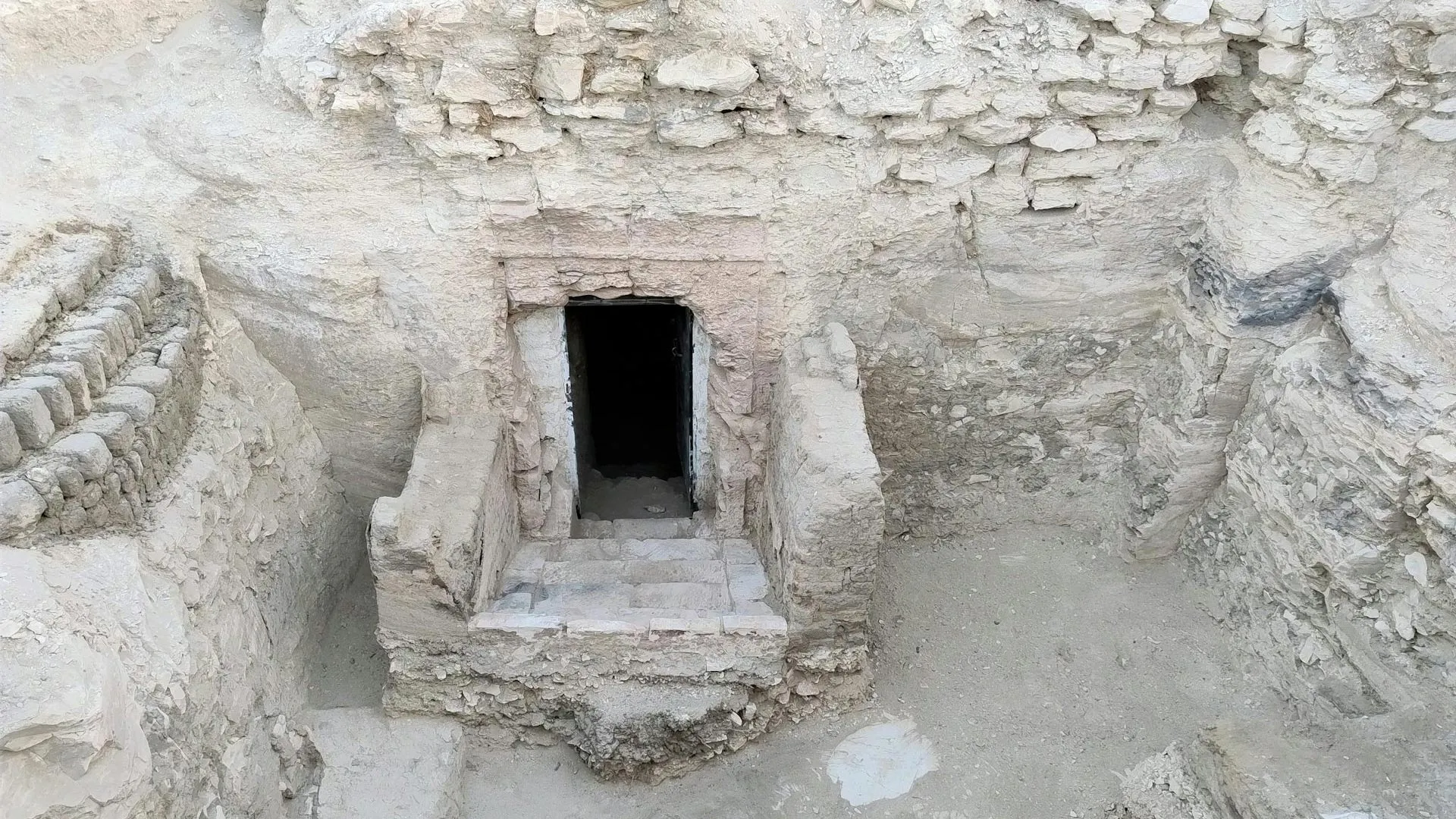
Roman Tombs and Settlements in France In Troyes, three Roman tombs were discovered containing glass jars and an amphora, offering insights into a family's history from 1,700 years ago. Separately, excavations beneath the town hall square in Cologne, Germany, revealed Roman-era remains within the Praetorium complex, including a stone staircase dating to the late 1st century AD and a well-preserved 2nd-century lararium (household shrine).

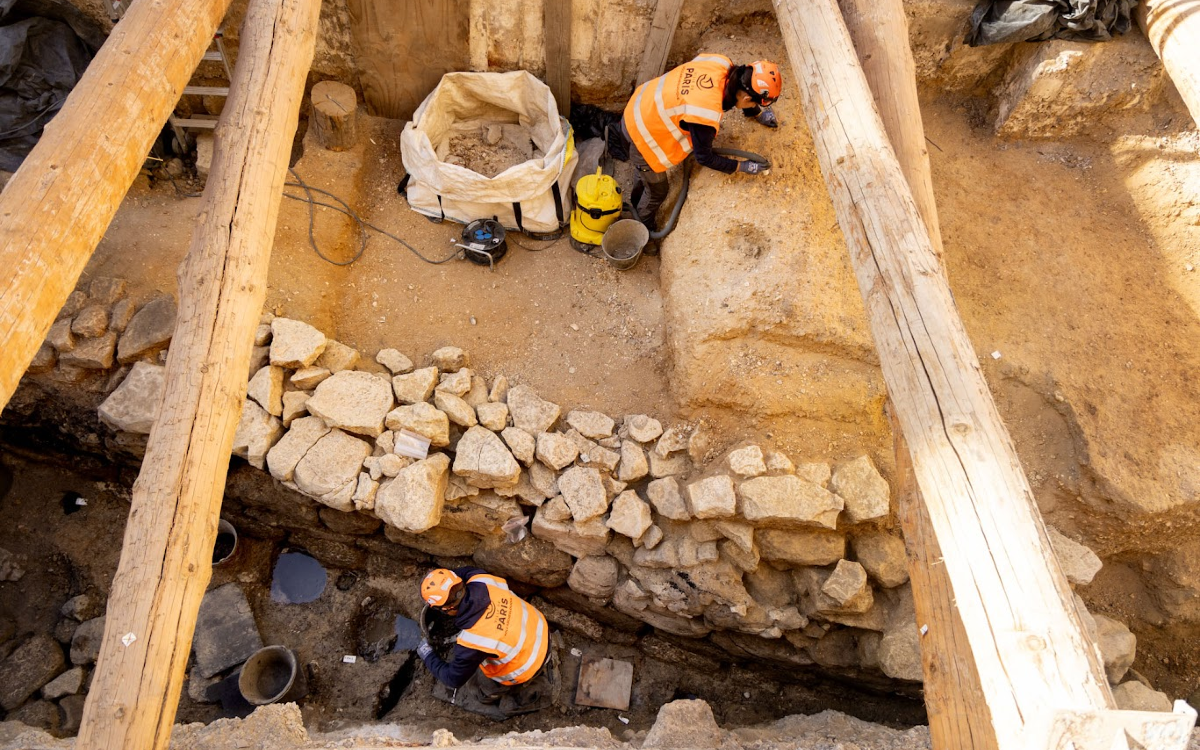
Parisian History Uncovered at Hôtel-Dieu Preventive excavations have been underway since February 2026 at two courtyards of the Hôtel-Dieu on the Île de la Cité. Conducted by the City of Paris’s Archaeological Division and Inrap, these digs are described as potentially changing the history of Paris.
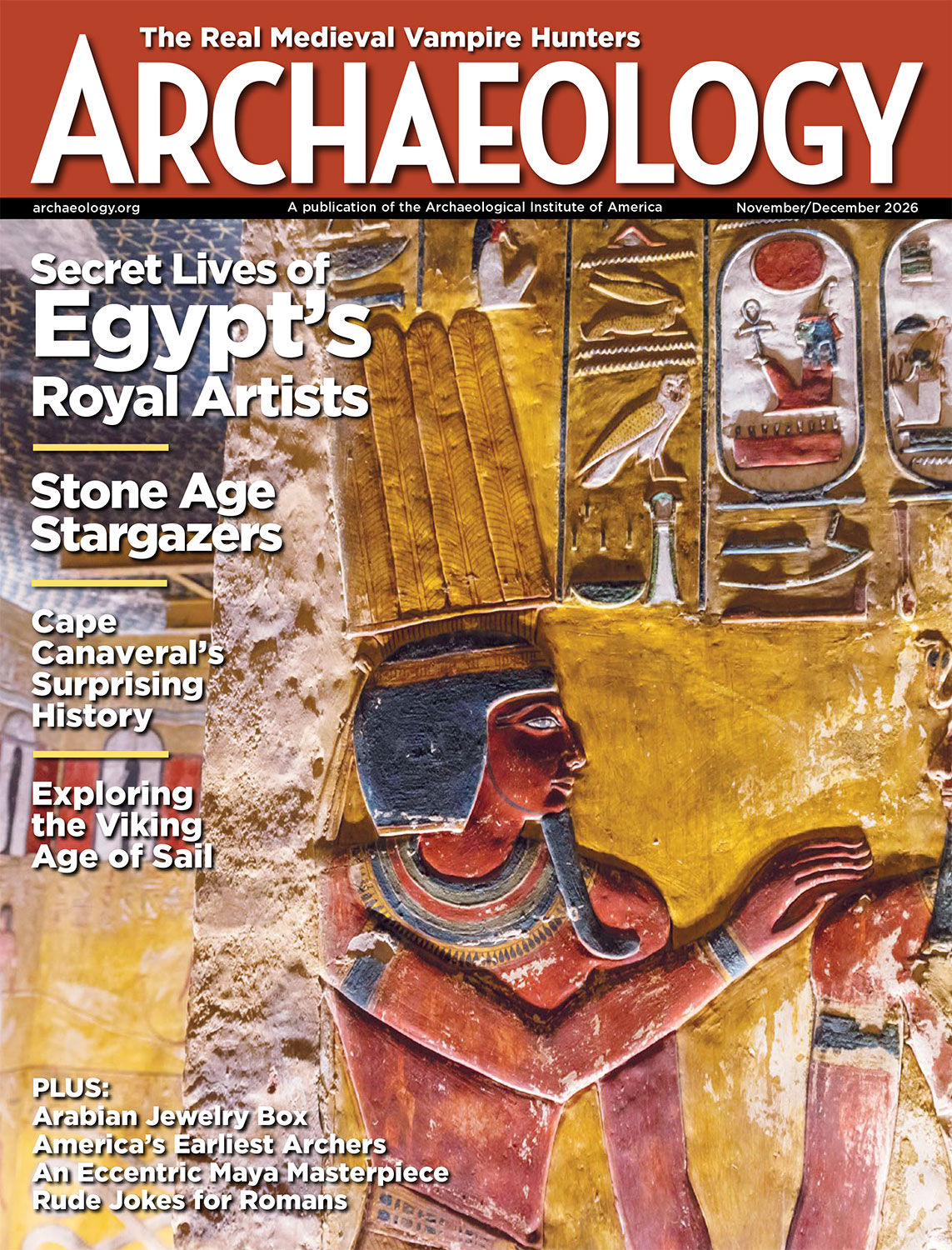
Global Discoveries in Archaeology Magazine The November/December 2026 issue of Archaeology Magazine previews several exciting finds:
- Guatemala: Murals depicting performances combining Catholic and Indigenous traditions.
- Egypt: A burial chamber in the Valley of the Kings providing a glimpse into the life of an ancient Egyptian singer.
- Britain: Near Hadrian’s Wall, archaeologists unearthed the mouthpiece of a horn played by Roman soldiers.
- Florida: University of Central Florida students excavated ancient sites around Cape Canaveral, finding various artifacts.

Analysis
The discovery of the 3,000-year-old tomb near Luxor is particularly fascinating because it was found accidentally during flood protection efforts. The presence of well-preserved paintings of an official named Paser offers a rare, vivid snapshot of daily life and religious practices in ancient Egypt. Such accidental finds often provide some of the most intact artifacts because they remain undisturbed by looters or later construction until modern interventions like flood clearing bring them to light.
What to Watch
- Paris Hôtel-Dieu Excavations: Continue monitoring the ongoing digs at the Hôtel-Dieu, which are expected to yield further insights into medieval and earlier Parisian history.
- November/December 2026 Archaeology Magazine: Keep an eye on the upcoming issue for detailed reports on the Mayan murals, the Valley of the Kings burial, and the Hadrian's Wall horn mouthpiece.
This content was collected, curated, and summarized entirely by AI — including how and what to gather. It may contain inaccuracies. Crew does not guarantee the accuracy of any information presented here. Always verify facts on your own before acting on them. Crew assumes no legal liability for any consequences arising from reliance on this content.
Powered by
