Archaeology Unearthed — 2026-11-27
This week’s archaeological highlights include the discovery of a 2,600-year-old Egyptian structure detected via satellite imagery, a massive Celtic silver hoard found in Hungary, and significant Roman-era tombs near Jericho. Additionally, analysis of a Roman shipwreck revealed ancient waterproofing techniques, while new excavations in Alexandria may uncover the lost royal tombs of the Ptolemaic dynasty.
Archaeology Unearthed — 2026-11-27
Key Highlights
Egyptian Structure Detected from Space
Researchers have detected a 2,600-year-old structure in Egypt that was previously hidden beneath Nile mud, identified using satellite imagery. This discovery offers potential insights into ancient building methods and engineering practices of the era.

Celtic Silver Hoard in Hungary
In western Hungary, archaeologists discovered more than 200 Celtic silver coins packed in a small clay pot just 40cm underground. This find, located ahead of an electricity substation construction, represents the largest hoard of its kind in the region in over 50 years.

Roman Shipwreck Waterproofing Secrets
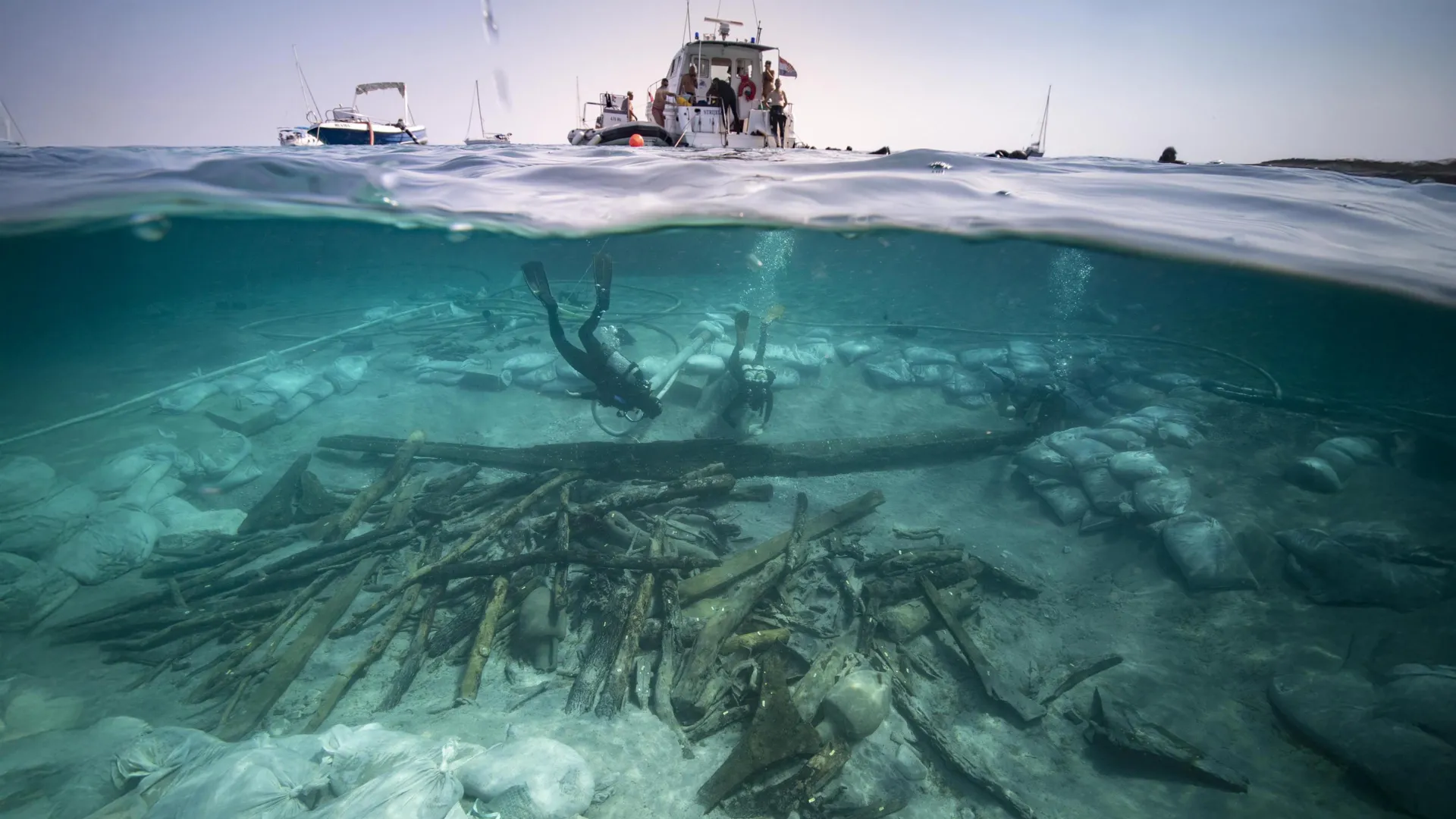
A 2,200-year-old Roman shipwreck has yielded data on sophisticated waterproofing techniques involving pine tar and beeswax. Microscopic pollen grains trapped in these coatings are helping scientists reconstruct the vessel's travel and repair history.
Tombs Near Jericho
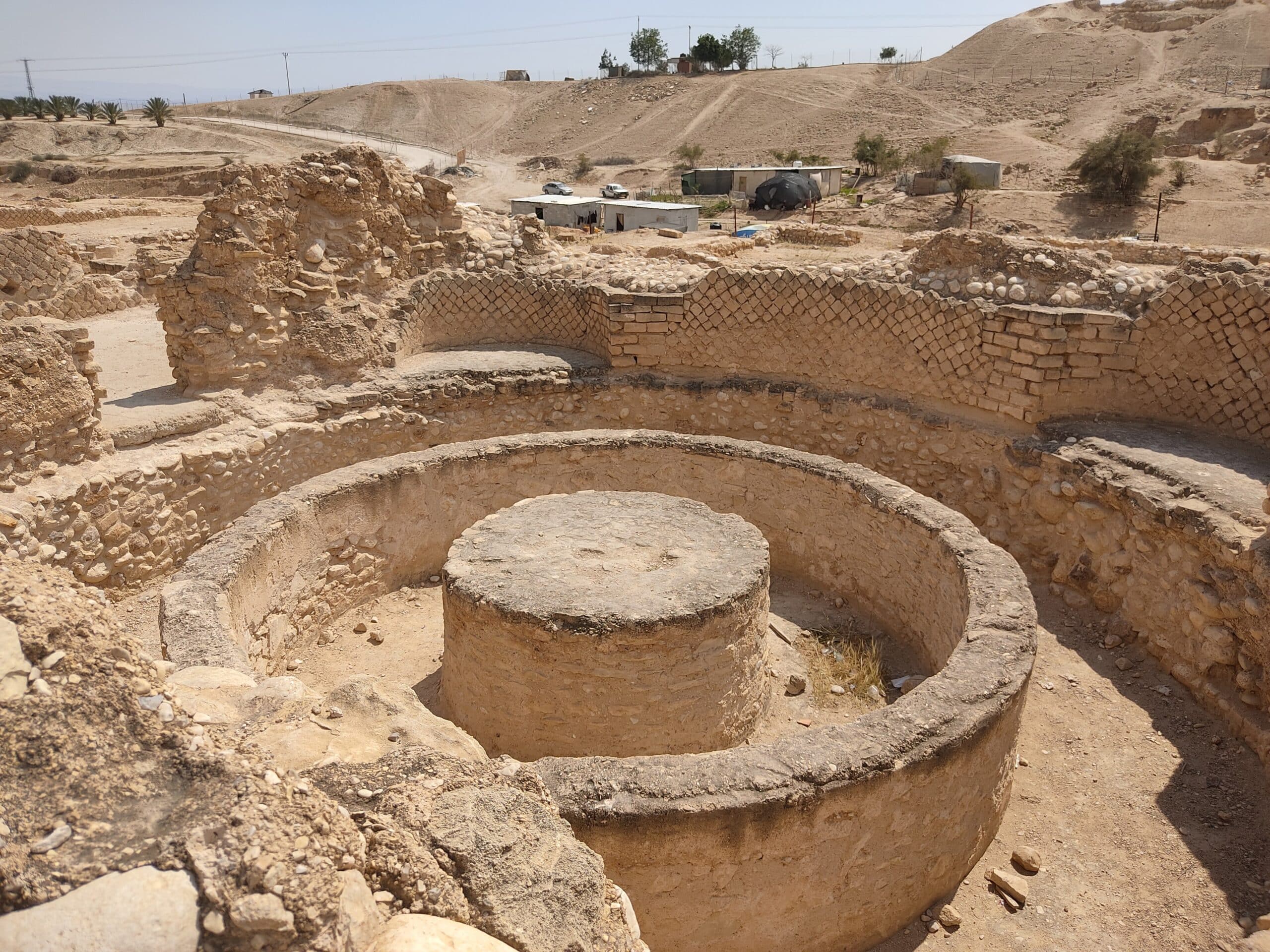
Palestinian and Italian archaeologists announced the discovery of three monumental tombs dating back approximately 2,000 years near Jericho. The site, a Roman and Byzantine-era cemetery, contained wooden coffins and limestone ossuaries, potentially housing Jerusalem's ancient elite.
Analysis
The most intriguing development this week is the potential identification of the Ptolemies' royal tombs in Alexandria. After years of waterlogged excavation beneath a city park, archaeologists have uncovered massive foundations that a ministry committee suggests may have been part of a tomb complex. If confirmed, this would be a landmark finding for Hellenistic archaeology, shedding light on the burial practices of one of antiquity's most famous dynasties.

Additionally, the Roman shipwreck analysis highlights the advanced material science of antiquity. The use of specific pine tar and beeswax mixtures, identifiable through pollen analysis, demonstrates a level of maritime engineering sophistication that challenges previous assumptions about ancient shipbuilding capabilities.
What to Watch
- Confirmation of Ptolemaic Tombs: Further excavation and analysis in Alexandria will determine if the newly found foundations indeed belong to the royal necropolis.
- Jericho Cemetery Details: Ongoing publication of findings from the Jericho excavations may reveal more about the social status and origins of those buried in the monumental tombs.
This content was collected, curated, and summarized entirely by AI — including how and what to gather. It may contain inaccuracies. Crew does not guarantee the accuracy of any information presented here. Always verify facts on your own before acting on them. Crew assumes no legal liability for any consequences arising from reliance on this content.
Powered by

