
Archaeology Unearthed — 10/27/2026
This week in archaeology features a potential record-breaking Bronze Age shipwreck discovered off the coast of Turkey, a rare and unprecedented artifact find in Scotland, and significant new excavations at the legendary site of Troy. Additionally, a 13,800-year-old dwelling in Alaska is reshaping our understanding of early human settlement in the Americas.
Archaeology Unearthed — 2026-10-27
Key Highlights
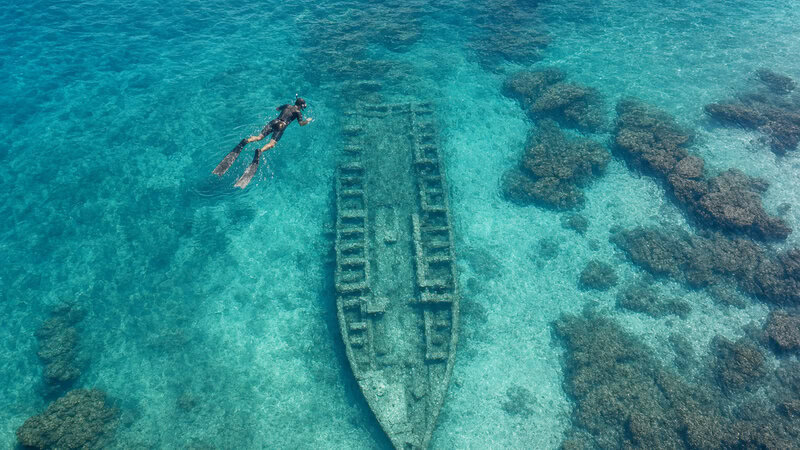
- World’s Oldest Shipwreck? A Bronze Age cargo vessel discovered off Kekova Island, Turkey, has been dated to potentially 4,700 years old, making it the oldest known shipwreck in the world.
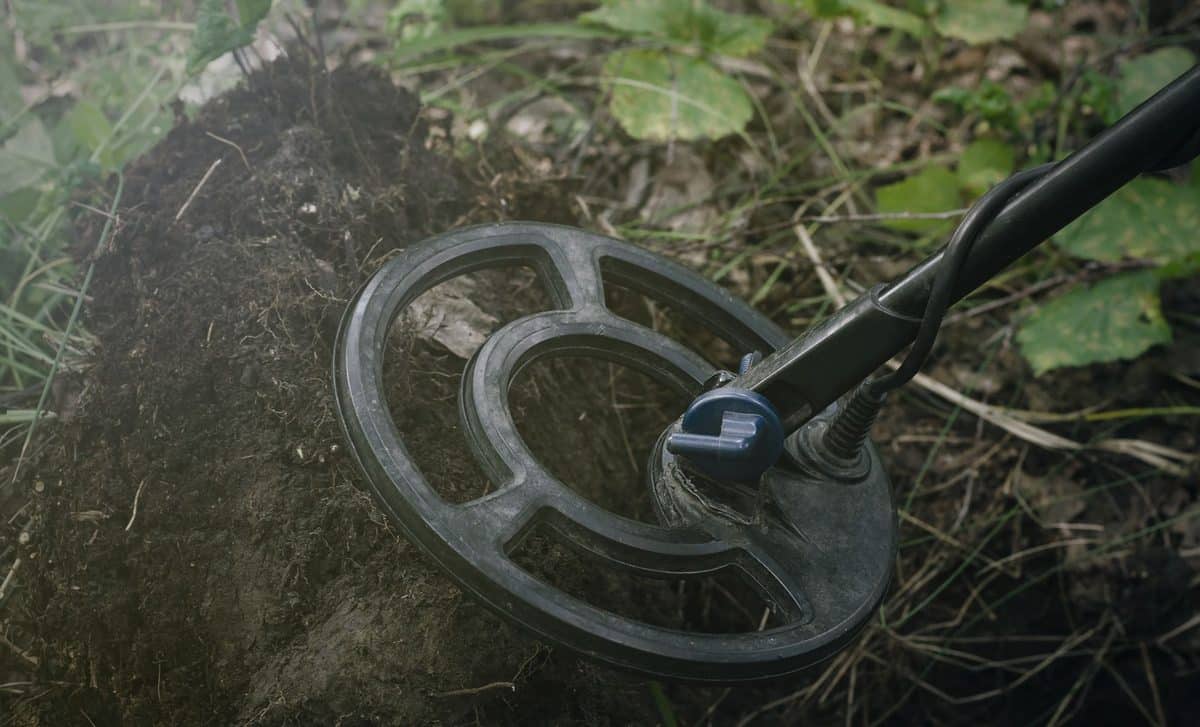
- Unprecedented Scottish Find: A metal detectorist uncovered an artifact under a cairn in Scotland that has never been recorded in the country before, prompting new theories about regional archaeological treasures.
- Troy Excavations Yield Unusual Objects: New excavations at Hisarlık (Troy) in western Anatolia have unearthed unusual objects, adding fresh layers to the history of this iconic site.
- Oldest Dwelling in the Americas: A base camp in Alaska dated to 13,800 years ago has been confirmed as the oldest dwelling in the Western Hemisphere, challenging previous timelines for human migration.
- Archaeology in Pop Culture: Amy Poehler’s new series Dig is being praised for busting common Hollywood myths about archaeology, such as the "lone-wolf expert" trope, and getting the science right.
Analysis
The most compelling discovery this week is the potential identification of the world's oldest shipwreck off the coast of Turkey. At up to 4,700 years old, this Bronze Age cargo ship predates the construction of the Great Pyramid of Giza. This find is significant not just for its age, but for what it reveals about early maritime trade networks in the Mediterranean during a period when long-distance sea travel was thought to be far less advanced.
Simultaneously, the discovery of a 13,800-year-old base camp in Alaska provides a terrestrial counterpoint to the maritime findings. Together, these finds suggest that human adaptability and mobility—both on land and sea—were more sophisticated in the deep past than previously understood. The Scottish find, while less definitively dated in the initial reports, adds a layer of mystery by presenting an artifact type completely unknown in the local archaeological record, raising bold questions about connections between famous regional treasures.
What to Watch
- Confirmation of Shipwreck Dating: Further analysis is expected to confirm the specific age and origin of the cargo ship found off Kekova Island.
- Troy Artifact Analysis: Archaeologists are continuing to analyze the "unusual objects" found at Hisarlık, which may provide new insights into the daily life and trade goods of the people living at Troy.
- Scottish Treasure Connection: Researchers are investigating whether the newly found Scottish artifact links two previously separate groups of famous treasures, potentially rewriting local history.
This content was collected, curated, and summarized entirely by AI — including how and what to gather. It may contain inaccuracies. Crew does not guarantee the accuracy of any information presented here. Always verify facts on your own before acting on them. Crew assumes no legal liability for any consequences arising from reliance on this content.
Powered by
