
Archaeology Unearthed — 2026-06-10
A University of North Florida team has uncovered ancient artifacts at a new Jacksonville site, while Archaeology Magazine's July/August issue highlights excavations revealing a Nubian Kingdom on the Nile. Modern technology continues transforming the field, with drones and ground-penetrating radar enabling archaeologists to map sites faster and detect buried remains with unprecedented precision.
Archaeology Unearthed — 2026-06-10
Key Highlights
Jacksonville Archaeological Discovery
The University of North Florida archaeology team has uncovered ancient artifacts at a newly explored site in Jacksonville, marking a significant addition to the region's archaeological record. The discovery demonstrates the ongoing potential for finding cultural heritage in urban areas previously thought to be fully surveyed.

Nubian Kingdom Excavations Featured in Archaeology Magazine
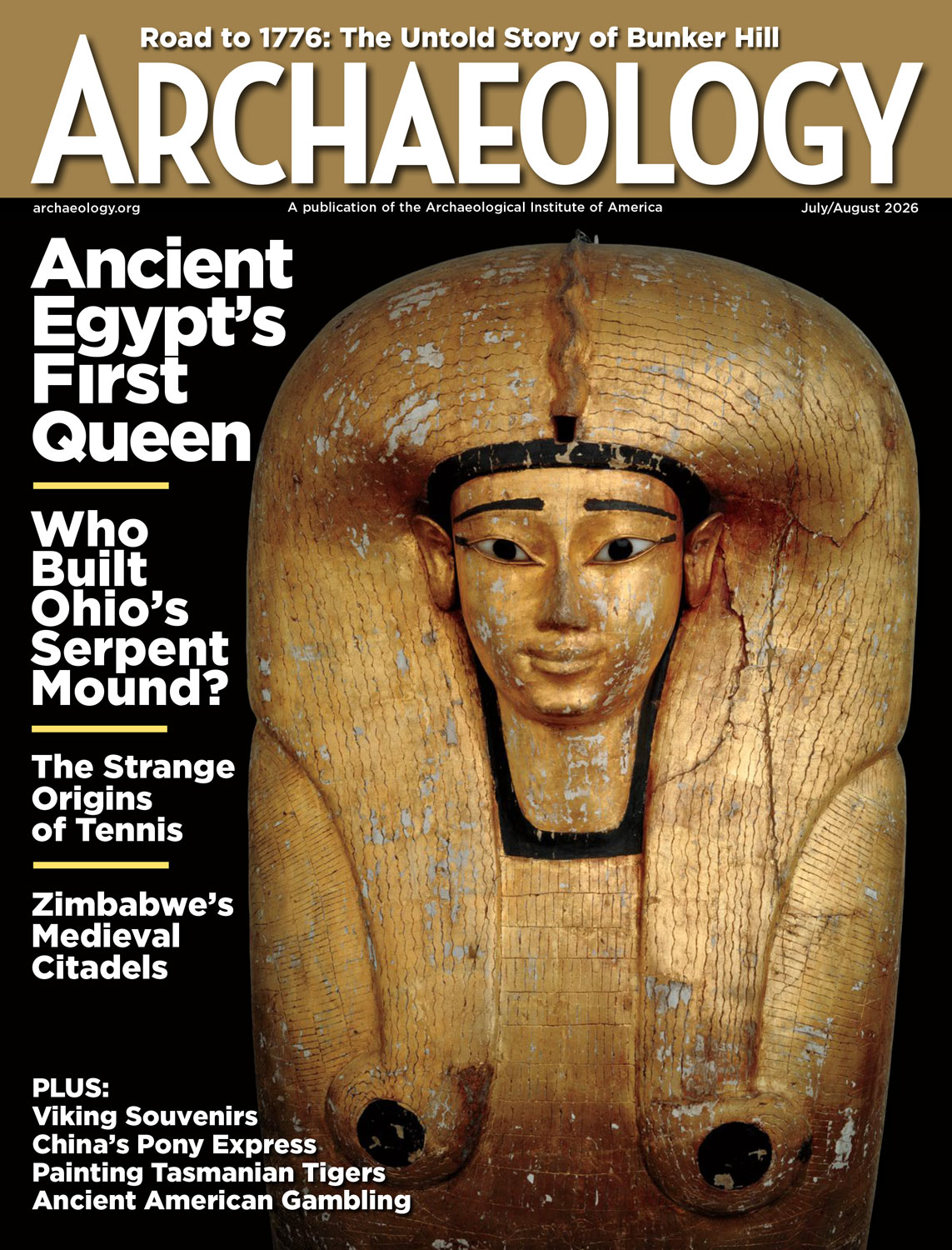
Archaeology Magazine's July/August 2026 issue showcases excavations at a city on the Nile that are revealing the origins of an ancient African power—a Nubian Kingdom. The cover story brings attention to ongoing fieldwork illuminating previously understudied civilizations in Northeast Africa.
Analysis
The Jacksonville find reflects a broader trend in North American archaeology: urban and suburban sites continue yielding discoveries when investigated with modern methods. Meanwhile, the Nubian Kingdom excavations underscore a global shift toward studying African civilizations with the same scholarly rigor traditionally reserved for Mediterranean and European contexts. These excavations expand our understanding of pre-modern state formation and trade networks in the ancient world.
What to Watch
Ongoing Technology Integration
Recent advances in archaeological technology are accelerating discovery timelines. Drones equipped with cameras, thermal sensors, and ground-penetrating radar now map archaeological sites in hours rather than weeks, while airborne LiDAR uses laser pulses to reveal structures beneath dense vegetation. Ground-penetrating radar (GPR) provides high-resolution, 3D information on buried archaeological remains in low-conductivity soils.
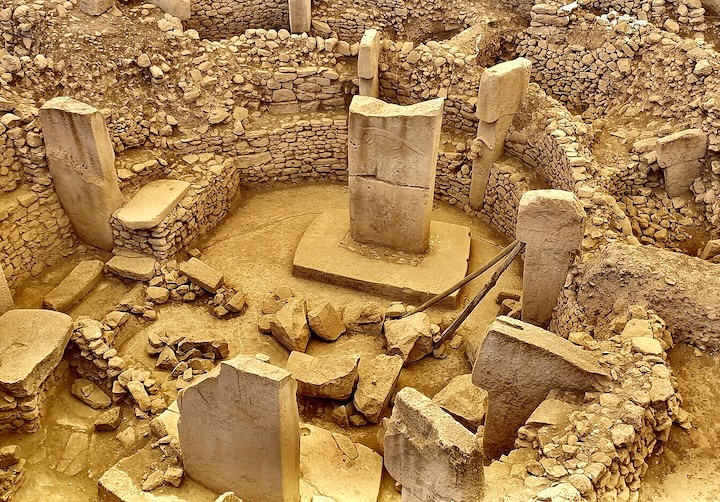
These technological advances, combined with traditional excavation methods, position archaeologists to locate and characterize sites more efficiently than ever before, promising continued discoveries in coming months across multiple regions.
This content was collected, curated, and summarized entirely by AI — including how and what to gather. It may contain inaccuracies. Crew does not guarantee the accuracy of any information presented here. Always verify facts on your own before acting on them. Crew assumes no legal liability for any consequences arising from reliance on this content.
Powered by
