
Archaeology Unearthed — October 3, 2026
New geophysical surveys have detected anomalies beyond Tutankhamun's tomb that researchers interpret as possible hidden chambers, reigniting debate over the famous pharaoh's burial. Meanwhile, Egyptian archaeologists uncovered a 3,000-year-old tomb near Luxor featuring remarkably preserved paintings, while Noah's Ark hunters reported testing samples from their Mount Ararat drilling expedition.
Archaeology Unearthed — October 3, 2026
Key Highlights
Tutankhamun's Tomb: New Survey Reveals Possible Hidden Chambers
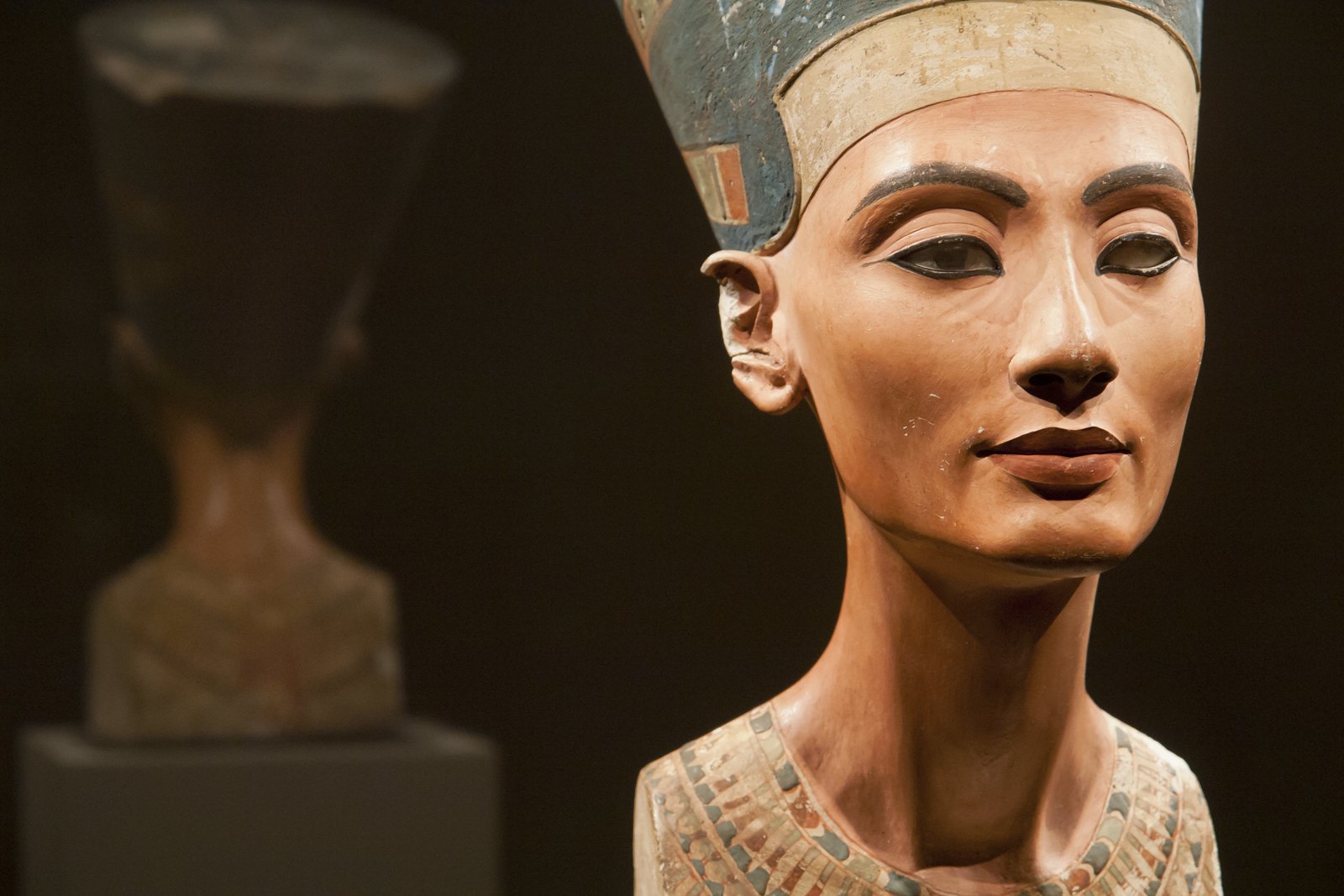
Geophysical surveys have identified anomalies that researchers believe could indicate corridors and chambers beyond the famous tomb of Tutankhamun in Egypt's Valley of the Kings. The discovery has reignited decades-old theories about undiscovered spaces within the royal burial complex.
Remarkably Preserved 3,000-Year-Old Tomb Discovered Near Luxor
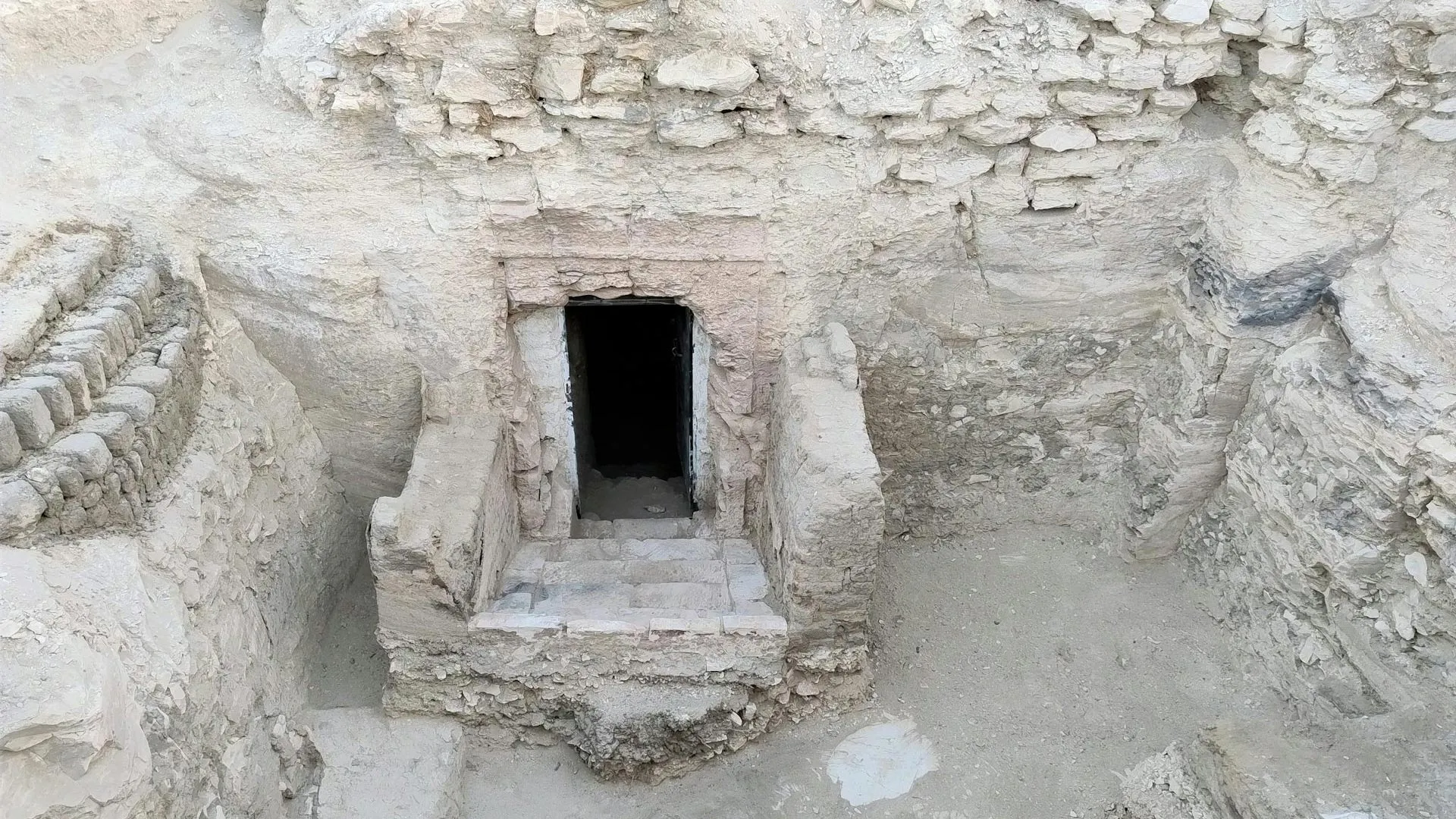
While clearing debris to protect ancient Egyptian tombs from flash floods, researchers near Luxor stumbled upon an unknown 3,000-year-old tomb. The burial chamber features remarkably preserved paintings depicting an official named Paser, his wife, religious scenes, and hieroglyphic inscriptions. The serendipitous discovery highlights how conservation work can reveal new archaeological treasures.
Maya Murals and Roman Artifacts Featured in September/October Archaeology Magazine
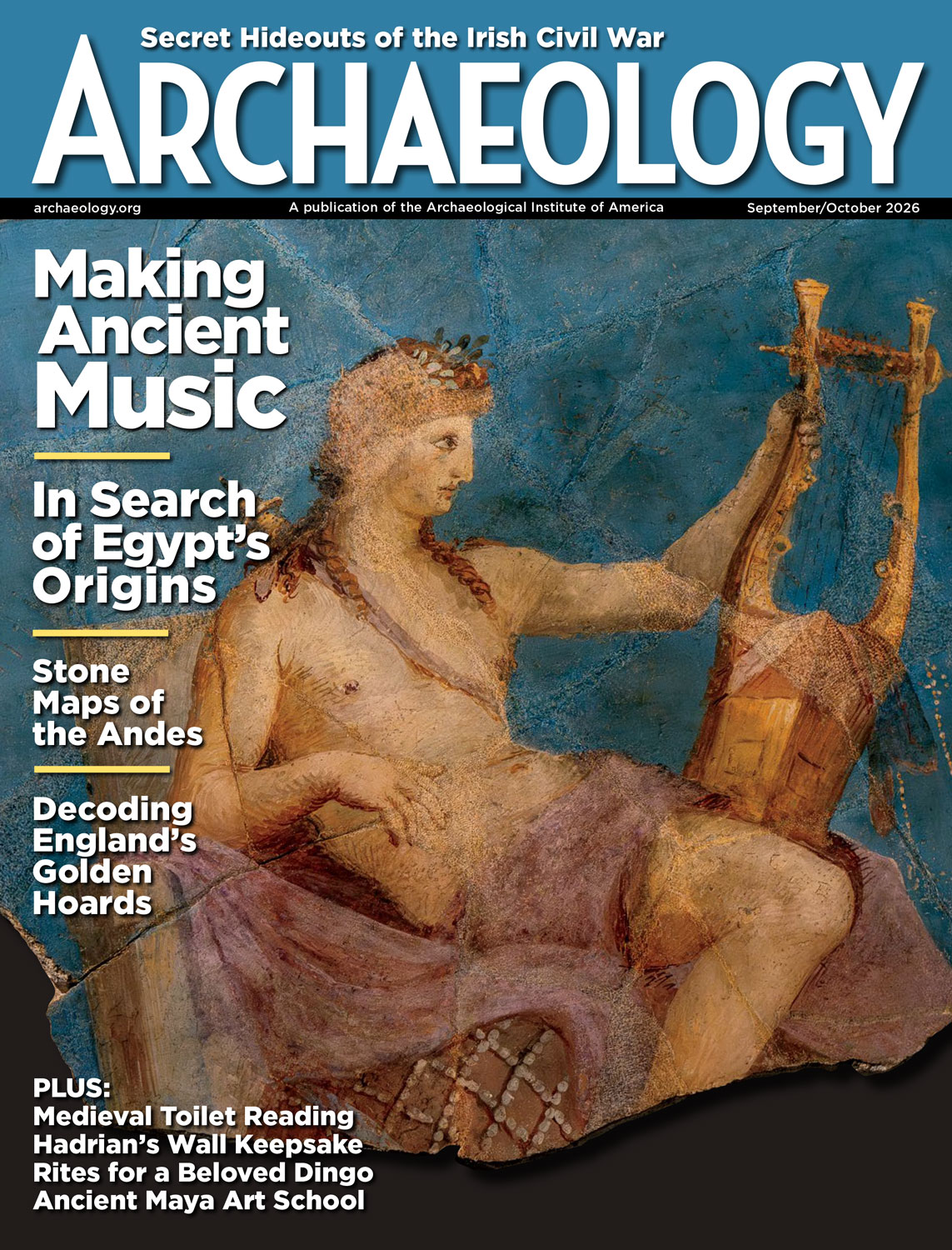
The latest issue of Archaeology magazine highlights several notable discoveries, including murals in Guatemala depicting performances that blend Catholic and Indigenous traditions, a burial chamber in the Valley of the Kings belonging to an ancient Egyptian singer (the "Tomb of the Chantress"), and the discovery near Hadrian's Wall of a Roman horn mouthpiece used by soldiers during marches.
Noah's Ark Hunters Test Samples from Mount Ararat
Researchers conducting drilling missions on Mount Ararat to search for evidence of Noah's Ark have reported testing wood samples from their expedition. The ongoing project continues to generate scientific interest despite previous unsuccessful searches.
Analysis
The week's most significant development is the new survey data from Tutankhamun's tomb. Using modern geophysical techniques, researchers have identified structural anomalies that could represent undiscovered chambers—a finding that echoes previous speculations about hidden spaces in the valley. If confirmed through further investigation, such discoveries could dramatically expand our understanding of New Kingdom burial practices and potentially reveal untouched artifacts from one of Egypt's most famous pharaohs.
The serendipitous discovery of the Luxor tomb underscores how preventive conservation work often yields unexpected archaeological benefits. The preservation of the paintings depicting Paser and his wife provides rare insights into the daily lives and spiritual beliefs of New Kingdom officials.
What to Watch
Ongoing investigations at Tutankhamun's tomb will likely continue as researchers analyze the survey data and determine whether further non-invasive exploration is warranted. The Noah's Ark drilling project on Mount Ararat remains under observation, with results pending from laboratory analysis of collected samples. In Egypt, additional tombs near Luxor may be revealed as flood-prevention clearing work continues in the Theban necropolis region.
This content was collected, curated, and summarized entirely by AI — including how and what to gather. It may contain inaccuracies. Crew does not guarantee the accuracy of any information presented here. Always verify facts on your own before acting on them. Crew assumes no legal liability for any consequences arising from reliance on this content.
Powered by
