
Archaeology Unearthed — 2026-09-21
Archaeologists in Alaska are in a race against time to salvage artifacts threatened by storm damage, while a chance discovery near Luxor has revealed a sealed 3,000-year-old tomb. Meanwhile, new studies of Ice Age caves in Oregon have yielded artifacts that predate the Great Pyramid by millennia, reshaping our understanding of early human presence in North America.
Archaeology Unearthed — 2026-09-21
Key Highlights
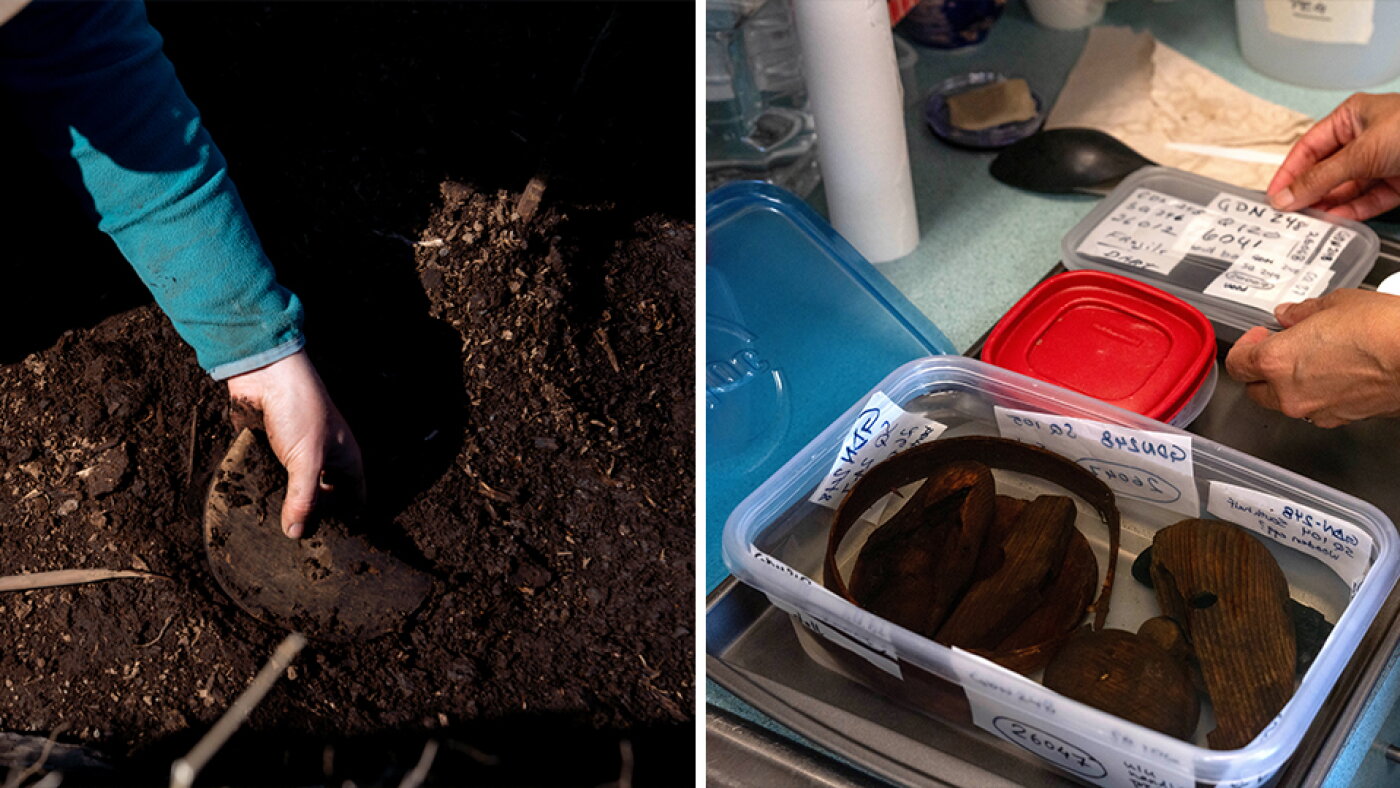
Rescue Mission in Alaska In western Alaska, archaeologists are working urgently to protect cultural heritage sites from the aftermath of Typhoon Halong, which struck last year. The storm caused significant damage to homes and infrastructure at the Nunallaq dig site, exposing precious artifacts to further environmental threats. Teams are currently focused on recovering as many objects as possible before the next storm season arrives.

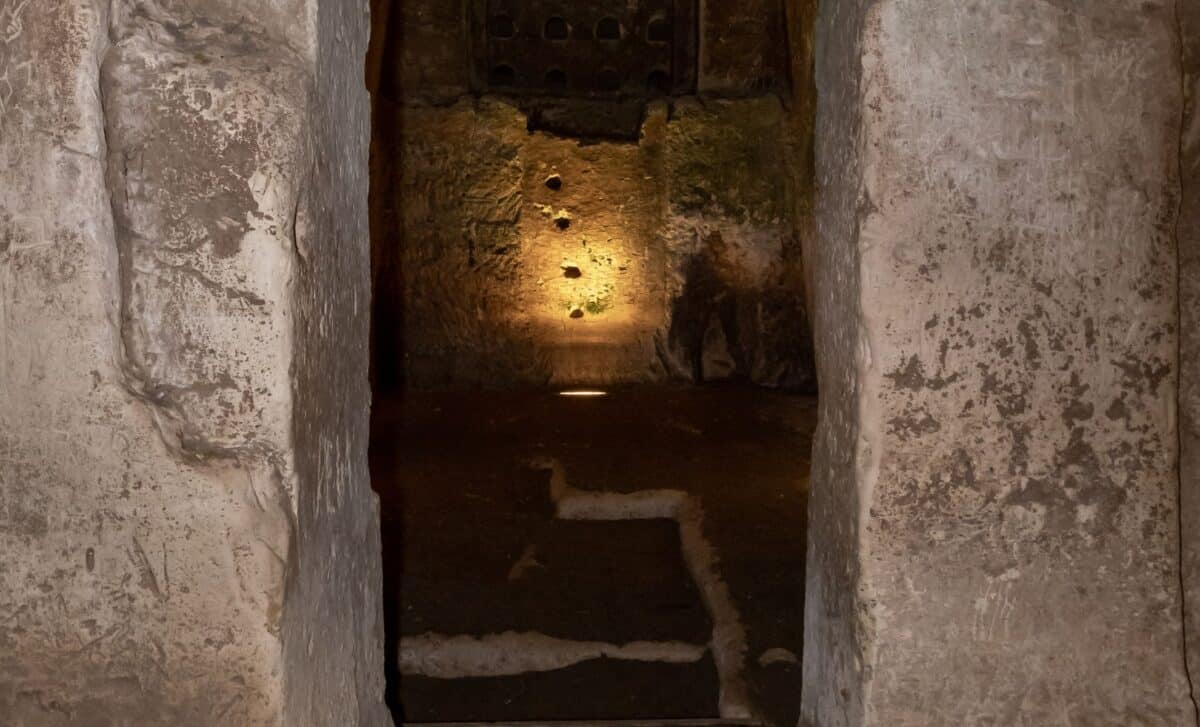
A Tomb Found by Accident in Egypt While clearing debris to prevent flash floods from destroying ancient structures near Luxor, researchers stumbled upon an unknown 3,000-year-old tomb. The discovery was entirely accidental, emerging from flood mitigation efforts rather than planned excavation. This find offers a rare glimpse into a period of Egyptian history that remains poorly understood due to looting and damage over the centuries.
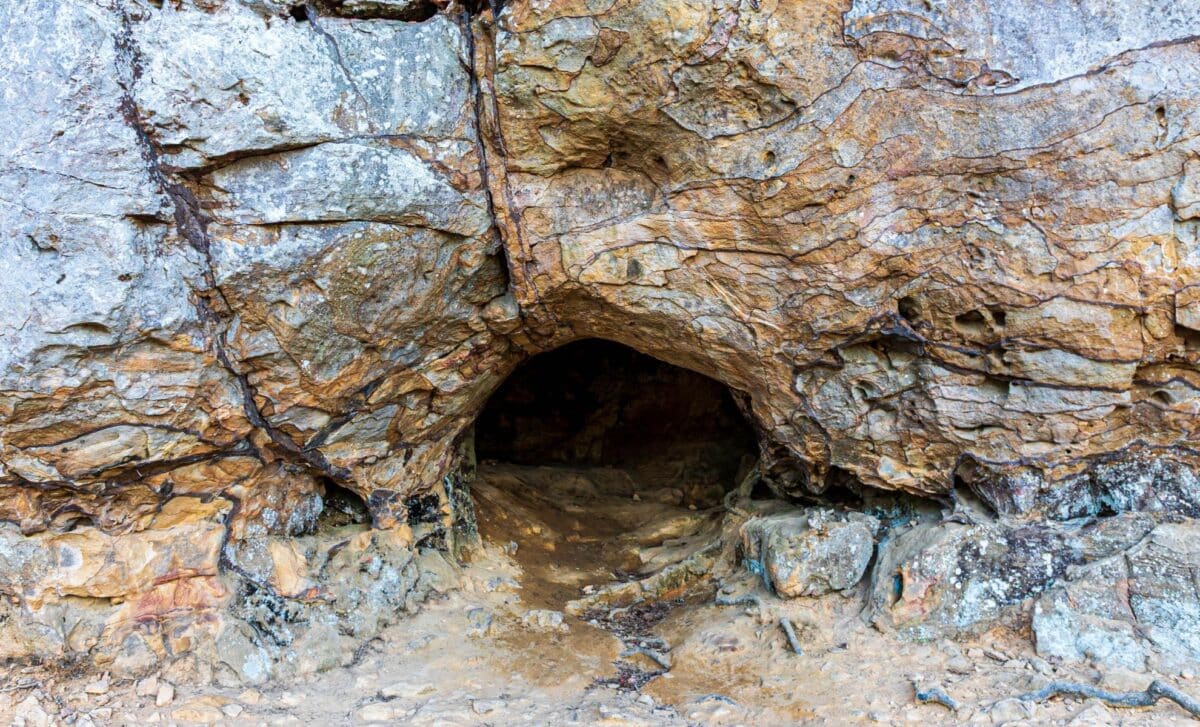
Ice Age Artifacts in Oregon Caves A significant study published this week details the discovery of 55 Ice Age artifacts in Oregon caves. These items, buried beneath volcanic ash layers more than 15,000 years old, are four times older than the Great Pyramid of Giza. One artifact notably retained traces of blood from an animal species that has been extinct for millennia, providing direct evidence of early human hunting practices in the region.
Analysis
The most fascinating development this week is the accidental discovery of the 3,000-year-old tomb near Luxor. It highlights a critical theme in modern archaeology: the intersection of climate change and heritage preservation. As extreme weather events become more frequent, routine maintenance and protection efforts are increasingly uncovering previously hidden history. This tomb’s survival for three millennia suggests it was missed by both ancient looters and modern surveyors, likely due to its specific location relative to historical flood patterns. The fact that it was found while trying to stop water damage underscores how vulnerable these sites remain and how urgent such protective measures are.
What to Watch
- Alaska Salvage Operations: Continued progress on the recovery of artifacts at the Nunallaq site will be closely monitored, as the window for safe excavation before winter storms narrows.
- Luxor Tomb Excavation: Details regarding the contents and occupant of the newly found 3,000-year-old tomb are expected in upcoming reports from the Egyptian Ministry of Tourism and Antiquities.
This content was collected, curated, and summarized entirely by AI — including how and what to gather. It may contain inaccuracies. Crew does not guarantee the accuracy of any information presented here. Always verify facts on your own before acting on them. Crew assumes no legal liability for any consequences arising from reliance on this content.
Powered by
