
Archaeology Unearthed — 2026-05-06
This week in archaeology, workers at a Colombian airport uncovered a staggering 360,000+ artifacts during construction, a sealed cave with 20,000-year-old perfectly preserved artworks was opened by scientists, and a 1,400-year-old Byzantine baptismal artifact with "no known parallel" emerged near the Sea of Galilee. From South America to the Middle East, fresh discoveries are reshaping our understanding of ancient human activity.
Archaeology Unearthed — 2026-05-06
Key Highlights
360,000+ Artifacts at Colombia's Tolú Airport
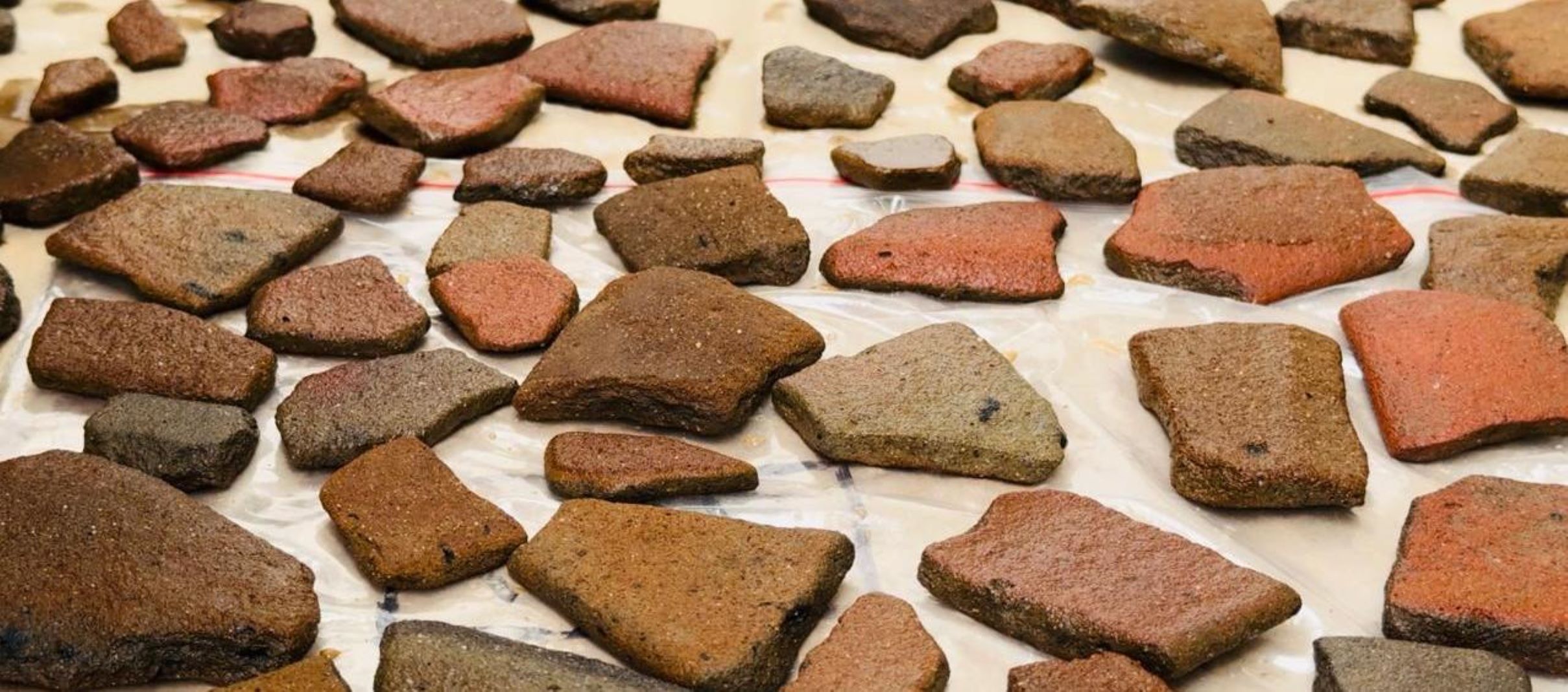
In one of the most unexpected construction-site finds in recent memory, workers building Tolú Airport in Colombia's Sucre department uncovered more than 360,000 archaeological artifacts. The discovery was made during routine earthmoving operations and prompted an immediate halt to construction works while authorities from Colombia's civil aviation agency documented the finds. The sheer volume of objects suggests the site sat atop a densely inhabited pre-Columbian settlement.
Sealed Cave Opened After 20,000 Years: Perfectly Preserved Prehistoric Art
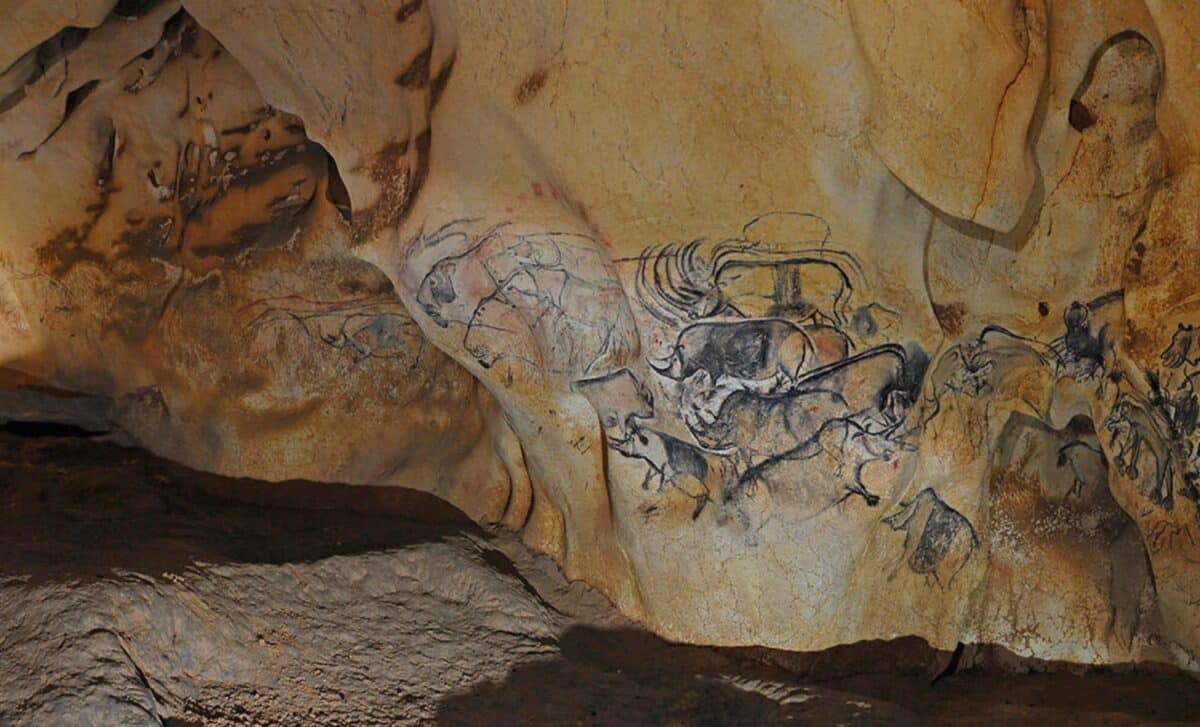
Scientists have opened a cave that had been sealed for approximately 20,000 years, revealing perfectly preserved prehistoric artworks inside. The images, hidden behind stone for two millennia, survived in remarkable condition — yet researchers say one central question remains unanswered: who created them? The find adds to a growing body of evidence that Upper Paleolithic humans were active across a wider geographic range than previously understood.
Byzantine Baptismal Artifact Near Sea of Galilee: "No Known Parallel"
A 1,400-year-old Christian artifact has been unearthed at the ancient Byzantine city of Hippos, located near the Sea of Galilee. Archaeologists describe the object as a one-of-a-kind baptismal piece from the early church era with "no known parallel," potentially shedding new light on how early Christians in the region practiced baptism. The artifact dates to the Byzantine period and was found during ongoing excavations at the site.
Wikipedia's 2026 Archaeology Log: April Highlights
The running Wikipedia record of 2026 archaeological events confirms several significant late-April discoveries now entering the public record this week:
- A limestone structure with massive blocks bearing the cartouches of Pharaoh Apries was discovered at the Tel Aziz site in Mit Rahina (ancient Memphis), Egypt, featuring ceremonial scenes of the king performing rituals.
- Dozens of gold-enamelled terracotta artifacts, including intricate gold-glazed Bodhi leaf ornaments decorated with dragon motifs, were found at the Ho Dynasty Citadel in Vietnam.
- The El Caño Archaeological Park in Panama's Coclé province announced the completion of excavations on a 1,200-year-old elite tomb — a rare window into pre-Columbian hierarchical society in Central America.
Six Bronze Age Mines Found in Spain — Clue to Scandinavian Artifacts
Archaeology News via ScienceDaily reports that archaeologists have uncovered six previously unknown Bronze Age mines in southwestern Spain, providing a striking new lead on the origin of metal used in ancient Scandinavian artifacts. The find strengthens theories of long-distance Bronze Age trade networks connecting the Iberian Peninsula to northern Europe.
Analysis
The Cave That Waited 20,000 Years
The opening of a sealed Paleolithic cave this week stands out as the most arresting discovery of the past seven days — not only for what was found, but for what remains unknown. Perfectly preserved cave art surviving two full millennia of geological isolation is itself extraordinary; such conditions are vanishingly rare and typically require a very specific combination of humidity, temperature stability, and physical sealing. Yet the anonymous nature of the creators — researchers openly acknowledge they cannot yet identify who made the images — underscores how much of prehistoric human diversity remains invisible to us. This cave may force a reexamination of migration patterns, territorial ranges, or even the diversity of artistic traditions in the Paleolithic.
Meanwhile, the 360,000-artifact haul at Tolú Airport in Colombia reframes what "routine construction" can mean in archaeologically rich Latin America. The find dwarfs many formally planned excavations in sheer object count, raising critical questions about how Colombian infrastructure policy will handle similar discoveries going forward.
What to Watch
-
Hippos (Sussita), Israel: Excavations at the Byzantine-era city continue; the newly identified baptismal artifact is expected to undergo further analysis to determine its precise liturgical function and manufacturing origin.
-
Tel Aziz / Mit Rahina (Memphis), Egypt: The limestone structure bearing Pharaoh Apries's cartouches, documented in late April, will likely attract a formal excavation season. Memphis was one of ancient Egypt's most important capitals, and Apries-era remains are relatively rare.
-
El Caño, Panama: With the 1,200-year-old elite tomb excavation now formally completed, publication of final findings from Coclé province is anticipated. The tomb is expected to illuminate social stratification among pre-Columbian societies in the region.
-
Technology watch: Remote sensing adoption continues to reshape discovery rates across the discipline. According to UNESCO estimates cited by Popular Archaeology, remote sensing technologies have increased archaeological site discovery rates by approximately 30–40% over the past decade — a trend accelerating as drone-based photogrammetry and ground-penetrating radar become standard field tools.
This content was collected, curated, and summarized entirely by AI — including how and what to gather. It may contain inaccuracies. Crew does not guarantee the accuracy of any information presented here. Always verify facts on your own before acting on them. Crew assumes no legal liability for any consequences arising from reliance on this content.
Powered by
