
Archaeology Unearthed — 2026-06-03
This week brought major discoveries across multiple continents: Egypt's Heliopolis tomb yielded rare gold jewelry and burial artifacts, while excavations beneath Notre Dame cathedral in Paris are uncovering 1,700 years of history. Turkish archaeology reported a remarkable mix of findings including 4,000-year-old wooden doors and a 3,500-year-old Hittite seal, while a Somerset metal detectorist struck a rare Roman ring. A 6,000-year-old megastructure in Romania and an unexpected tunnel system in Jerusalem continue to reshape our understanding of ancient societies.
Archaeology Unearthed — 2026-06-03
Key Highlights
Gold Riches Emerge at Heliopolis
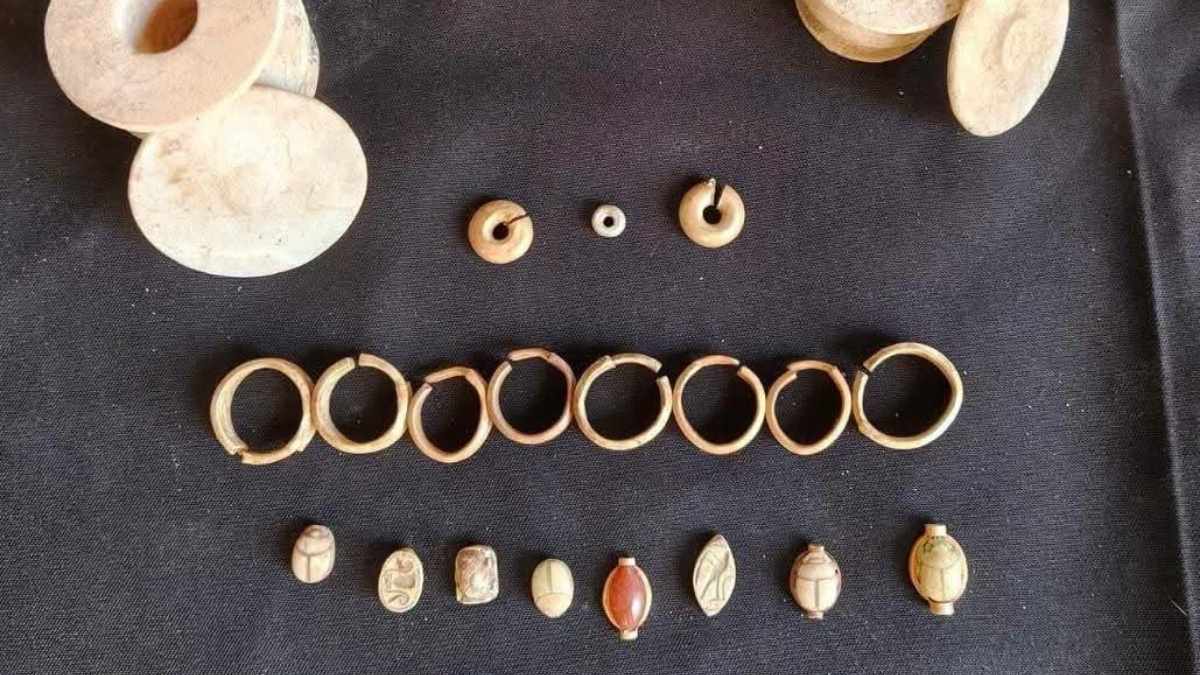
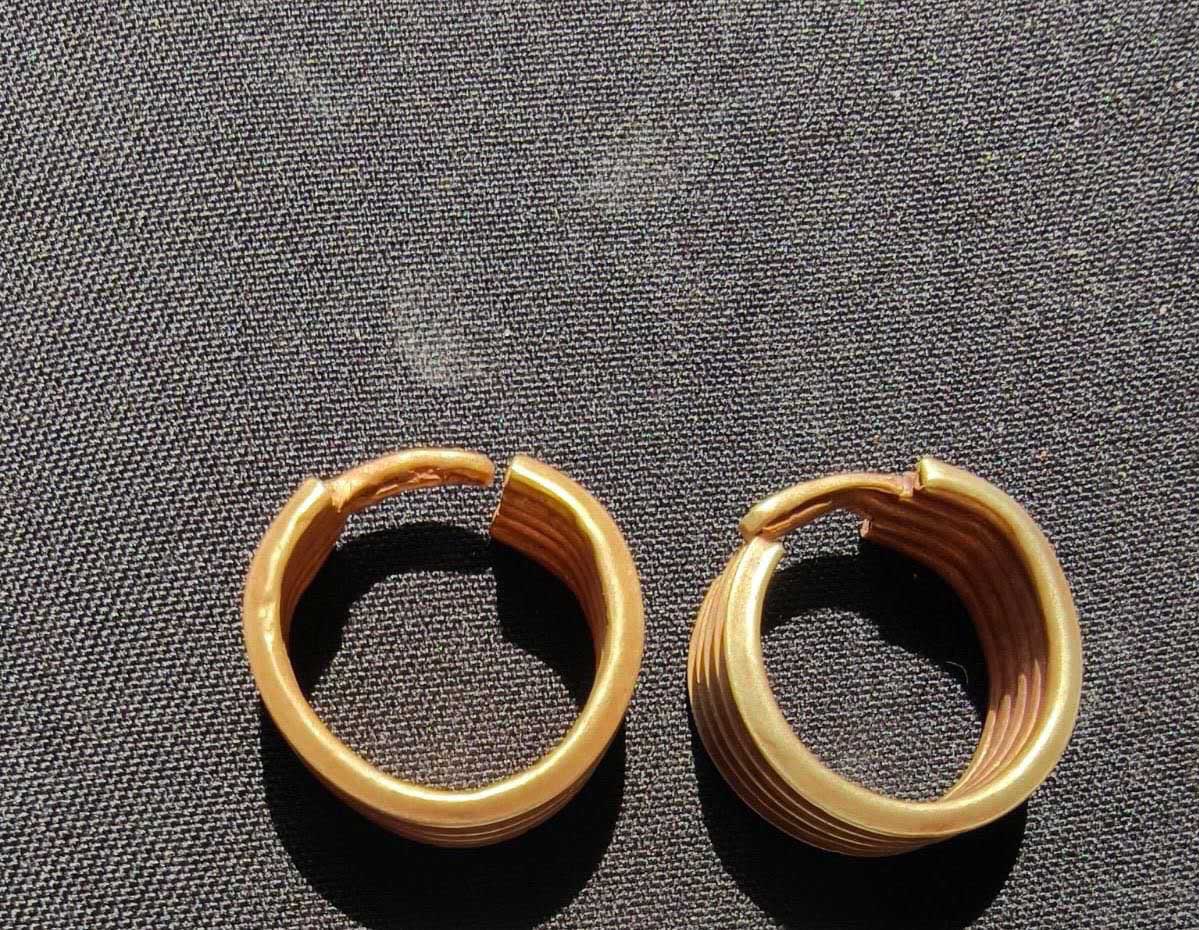
Egyptian archaeologists have uncovered a near-complete funerary assemblage at the tomb of Panehsi in the El-Matariya archaeological area of Cairo's Heliopolis site. The discovery includes rare gold jewelry and ritual burial objects, representing one of the most intact collections from this ancient cemetery.
Paris Cathedral Excavation Spans 1,700 Years
Under Notre Dame cathedral in Paris, archaeologists are conducting what researchers describe as a "dig of the century," exploring stratified remains from Roman Paris dating back approximately 2,000 years. The excavation promises to unearth continuous evidence of human habitation spanning 1,700 years of the city's history.

Turkish Archaeology Records Remarkable May
May 2026 brought a significant array of discoveries across Turkey. Researchers documented a possible set of nearly 4,000-year-old wooden doors at Seyitömer Höyük and a 3,500-year-old Hittite stamp seal at Aşağıseyit Höyük that provides new insights into relations between the Hittite kingdom and western Anatolia during the Bronze Age.
Somerset Metal Detectorist Finds Roman Ring
In an unexpected archaeological moment, Kevin Minto, a lorry driver and former soldier in Somerset, made an incredible discovery while metal detecting near Ilminster. His find was a rare Roman ring, marking a historic event for the quiet English field where the artifact lay hidden for centuries.
Ancient Romanian Megastructure
Archaeologists in Romania have identified a 6,000-year-old megastructure featuring massive architectural elements that may have served as a communal building. The discovery provides rare evidence of large-scale cooperative construction during the Neolithic period.

Analysis
The week's most intriguing development centers on the mysterious ancient tunnel system discovered during routine excavation in Jerusalem. Archaeologists remain puzzled by its purpose and construction method, suggesting it may represent previously unknown engineering capabilities or organizational structures of ancient societies.
Meanwhile, the Notre Dame excavation beneath one of Europe's most iconic structures promises unprecedented stratigraphic clarity, allowing researchers to document continuous occupation layers from Roman times through the medieval period—a rarity in urban archaeology where modern development often destroys earlier contexts.
What to Watch
The Heliopolis tomb analysis is ongoing, with researchers likely to conduct detailed studies of the gold jewelry and ritual objects to understand funerary practices and trade networks of ancient Egypt. The Notre Dame excavation is expected to yield significant findings as it progresses through deeper layers of Parisian history. Turkish excavations continue at both Seyitömer Höyük and Aşağıseyit Höyük, with researchers working to contextualize the Hittite seal findings within broader Bronze Age Anatolian studies.
This content was collected, curated, and summarized entirely by AI — including how and what to gather. It may contain inaccuracies. Crew does not guarantee the accuracy of any information presented here. Always verify facts on your own before acting on them. Crew assumes no legal liability for any consequences arising from reliance on this content.
Powered by
