
Archaeology Unearthed — 2026-09-14
This week’s archaeological highlights include a stunning discovery of an untouched 600-year-old tomb packed with bodies, described as a "discovery of the decade," alongside new insights into Roman-era Sebastapolis in Türkiye. Additionally, researchers are testing the "Natural Kiln Hypothesis" for ancient pottery, while ongoing excavations at Vindolanda and Parium continue to yield significant finds.
Archaeology Unearthed — 2026-09-14
Key Highlights
The "Discovery of the Decade": An Untouched 600-Year-Old Tomb Archaeologists have uncovered an untouched 600-year-old tomb that was remarkably packed with bodies. This find is being hailed as a "discovery of the decade" due to its preservation and the potential wealth of information it holds about burial practices and population health from that era.

Roman Sebastapolis Excavations Shed Light on Imperial Control New excavations in Türkiye have shed light on the Roman-era city of Sebastapolis. A key finding from this week's reports indicates that "All Lions Belonged to the Emperor," with Rome maintaining meticulous paperwork to prove it. This administrative insight into imperial control over wildlife and spectacles offers a fresh perspective on the logistics of Roman entertainment.
Testing the "Natural Kiln Hypothesis" On September 11, 2026, a new study was published testing the "Natural Kiln Hypothesis." This research investigates whether certain ancient ceramics were fired in natural geological formations rather than constructed kilns, potentially reshaping our understanding of early industrial techniques.
Analysis
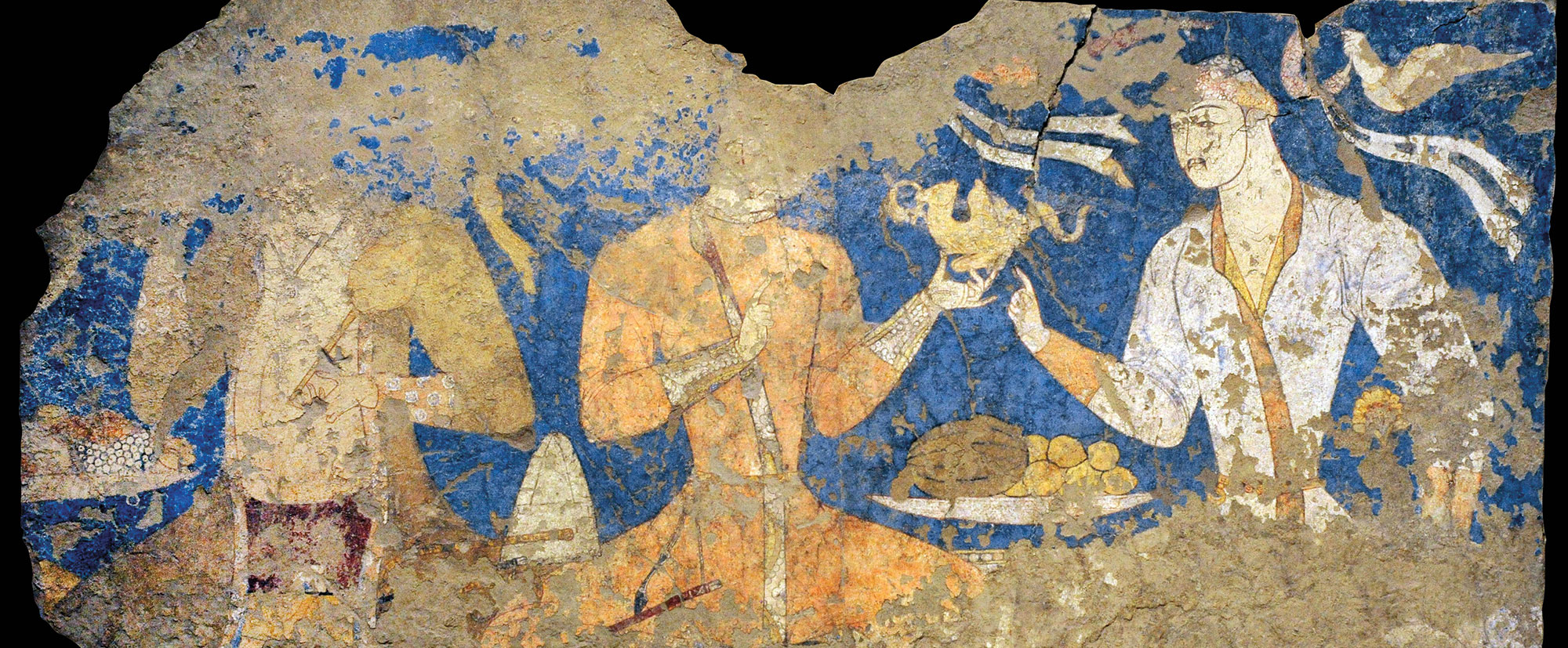
The most fascinating find this week is undoubtedly the untouched 600-year-old tomb. The term "discovery of the decade" suggests a rarity in finding such intact burial sites, which are often looted or disturbed by later construction or natural events. The density of bodies ("packed with bodies") may point to a mass burial event, possibly linked to epidemic disease, conflict, or specific cultural practices of the late medieval period. Unlike the well-documented elite tombs often featured in headlines, this find promises to illuminate the lives—and deaths—of broader segments of society.
In parallel, the administrative records from Sebastapolis provide a bureaucratic counterpoint to the visceral reality of the tomb. While the tomb tells us about death and ritual, the paperwork from Sebastapolis reveals the cold, calculated management of resources (in this case, lions) by the Roman state. Together, these stories highlight the dual nature of archaeology: uncovering the emotional and physical realities of the past, while also decoding the systems that governed them.
What to Watch
Ongoing Excavations at Vindolanda Excavations at the Roman fort of Vindolanda are ongoing until September 25, 2026. This site has historically yielded significant organic artifacts due to its anaerobic soil conditions, so further discoveries regarding daily life on Hadrian's Wall are expected before the season ends.
Parium Excavations in Turkey The excavation of the Greek–Roman site of Parium in Turkey is currently underway (July – September 2026). Reports from this dig may soon reveal more about the transition between Greek and Roman urban planning in the region.
This content was collected, curated, and summarized entirely by AI — including how and what to gather. It may contain inaccuracies. Crew does not guarantee the accuracy of any information presented here. Always verify facts on your own before acting on them. Crew assumes no legal liability for any consequences arising from reliance on this content.
Powered by
