
Archaeology Unearthed — 2026-10-18
This week's archaeological highlights feature major discoveries across three continents, including a Bronze Age shipwreck in Turkey, a frontier tavern excavation in Ohio, and evidence of early human presence in Alaska. Significant findings also emerged in Egypt and Jerusalem, shedding new light on ancient trade, settlement patterns, and infrastructure.
Archaeology Unearthed — 2026-10-18
Key Highlights
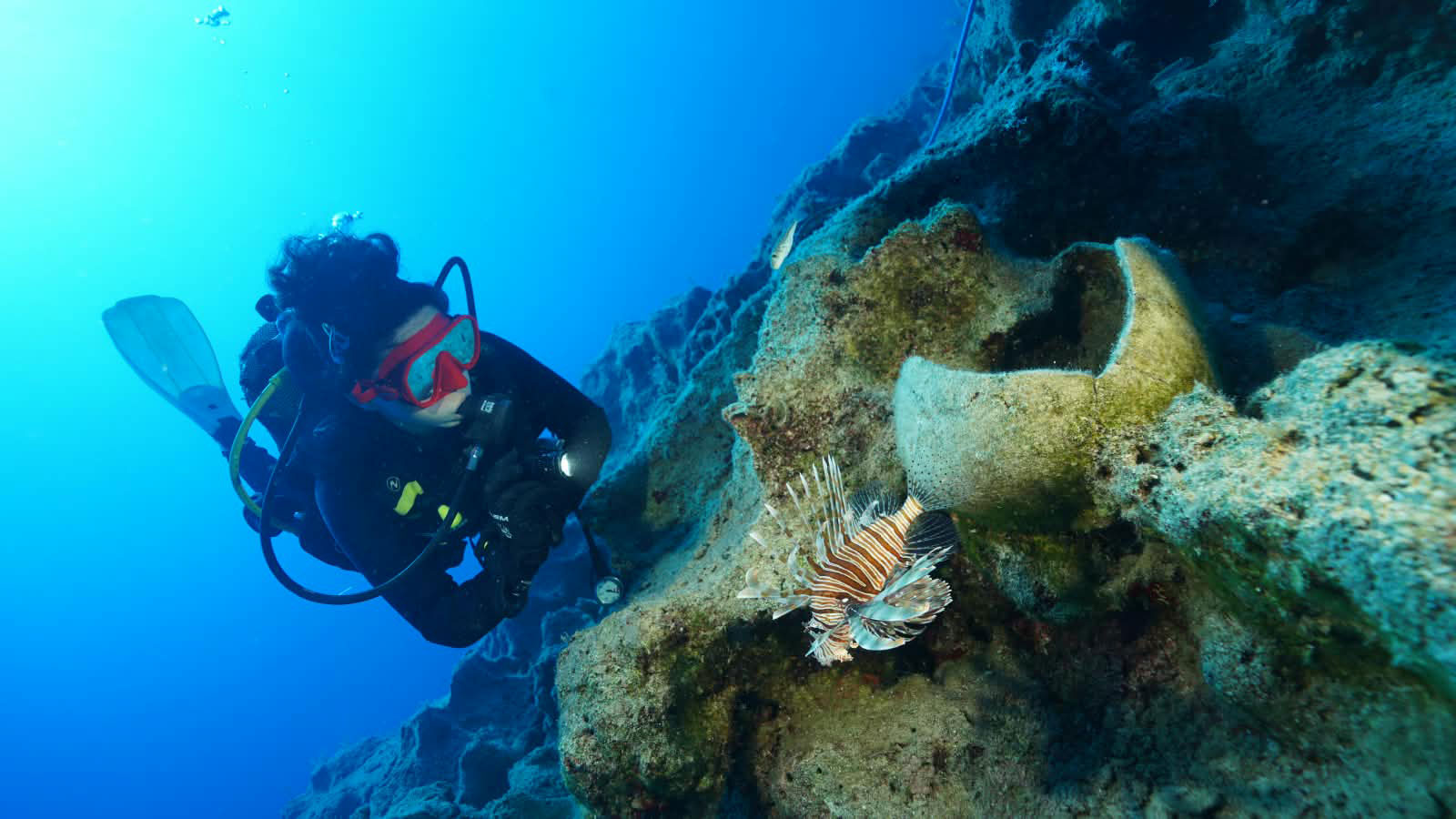
World's Oldest Shipwreck Discovered in Turkey Archaeologists have identified a Bronze Age shipwreck near Kekova Island off the coast of Antalya, Turkey, which BBC News reports as the oldest shipwreck discovered in the Mediterranean. This find provides critical insights into early maritime trade routes and shipbuilding techniques.
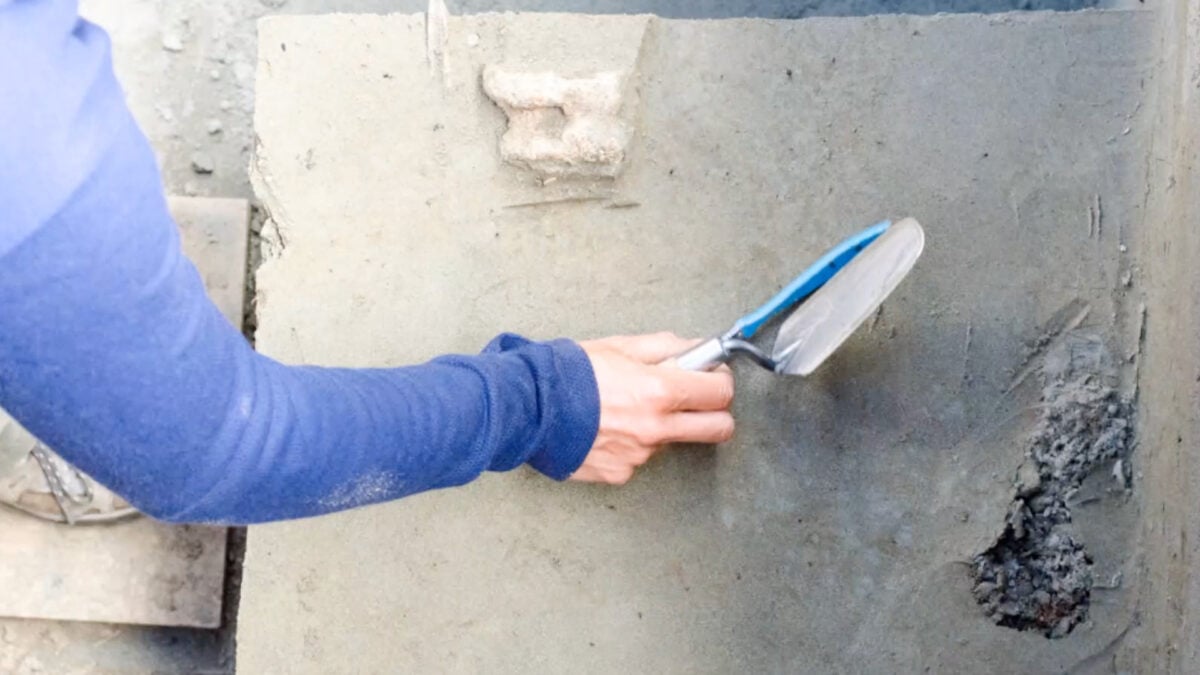
Alaska Site Hints at Older Human Presence in Americas Thousands of artifacts unearthed at a 13,800-year-old archaeological site in Alaska suggest an even older human presence in the Americas than previously thought. The site indicates a cultural connection spanning the Bering Land Bridge, challenging existing timelines for migration into the continent.
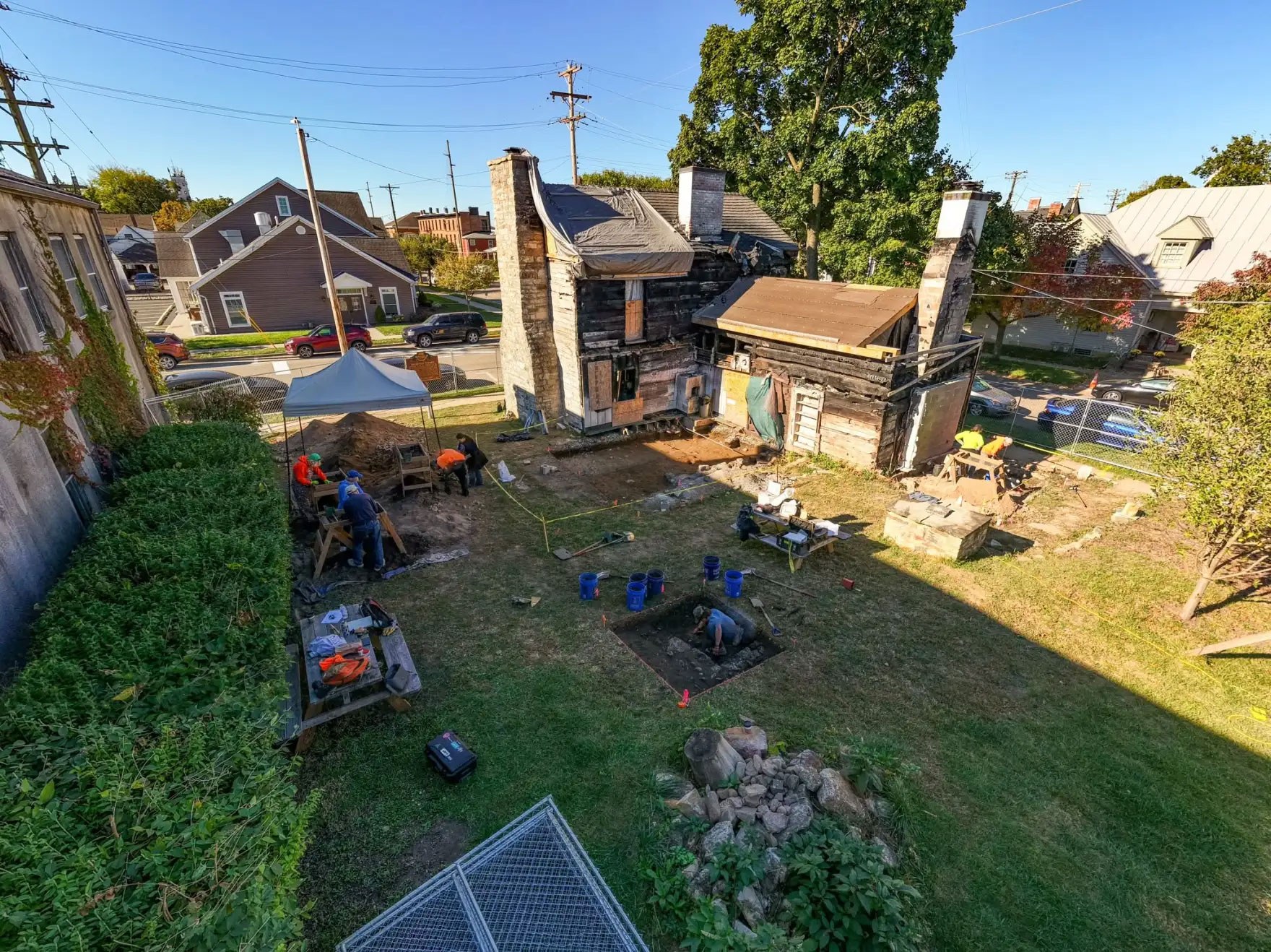
Rescue Excavation of 200-Year-Old Tavern in Ohio In Troy, Ohio, a rescue excavation at a 200-year-old frontier tavern site recovered more than 18,000 artifacts. The excavation offers a detailed snapshot of daily life on the American frontier during the early 19th century, with items ranging from domestic goods to military supplies.
Ancient Aqueduct and Egyptian Tomb Discoveries Archaeologists have revealed a huge stretch of an ancient lower aqueduct leading into Jerusalem, dating back approximately 2,300 years. Additionally, near Luxor, Egypt, researchers stumbled upon an unknown 3,000-year-old tomb with remarkably preserved paintings while clearing debris to protect other tombs from flash floods.
Middle East Archaeological Highlights The National reported on 2026's biggest archaeological discoveries in the Middle East, including a Bronze Age tomb in the UAE and a lost Egyptian city. These finds are reshaping our understanding of ancient urbanization and burial practices in the region.

Analysis
The establishment of the Bronze Age shipwreck near Kekova Island as the oldest in the Mediterranean is arguably the most significant find this week. It pushes back the timeline for complex maritime logistics in the region and offers a rare, intact snapshot of Bronze Age commerce. Combined with the Alaska findings, which suggest earlier human migration via the Bering Land Bridge, these discoveries highlight how underwater and remote terrestrial excavations are rapidly rewriting historical narratives. The sheer volume of artifacts from the Ohio tavern also demonstrates the potential of rescue archaeology to preserve local history amidst modern development.
What to Watch
- Analysis of Alaska Artifacts: Further study of the 13,800-year-old site in Alaska may provide more precise dating and cultural context for early North American inhabitants.
- Jerusalem Aqueduct Mapping: Ongoing work to map the full extent of the recently revealed lower aqueduct into Jerusalem.
- Etruscan Statue Study: A new study suggests the black coating on a famous Etruscan statue may be original rather than a later addition, potentially changing conservation approaches.
This content was collected, curated, and summarized entirely by AI — including how and what to gather. It may contain inaccuracies. Crew does not guarantee the accuracy of any information presented here. Always verify facts on your own before acting on them. Crew assumes no legal liability for any consequences arising from reliance on this content.
Powered by
