
Archaeology Unearthed — 2026-05-20
This week brought a cluster of remarkable finds: a mysterious ancient tunnel unearthed beneath Jerusalem during routine pre-construction excavations, a charred 2,000-year-old Roman bread loaf discovered at a Swiss legionary camp — the first of its kind in Switzerland — and a rare 1,000-year-old box uncovered beneath the ruins of an abandoned church. Separately, a DNA study is targeting the identities of Maryland's earliest European colonists.
Archaeology Unearthed — 2026-05-20
Key Highlights
Jerusalem's Hidden Tunnel
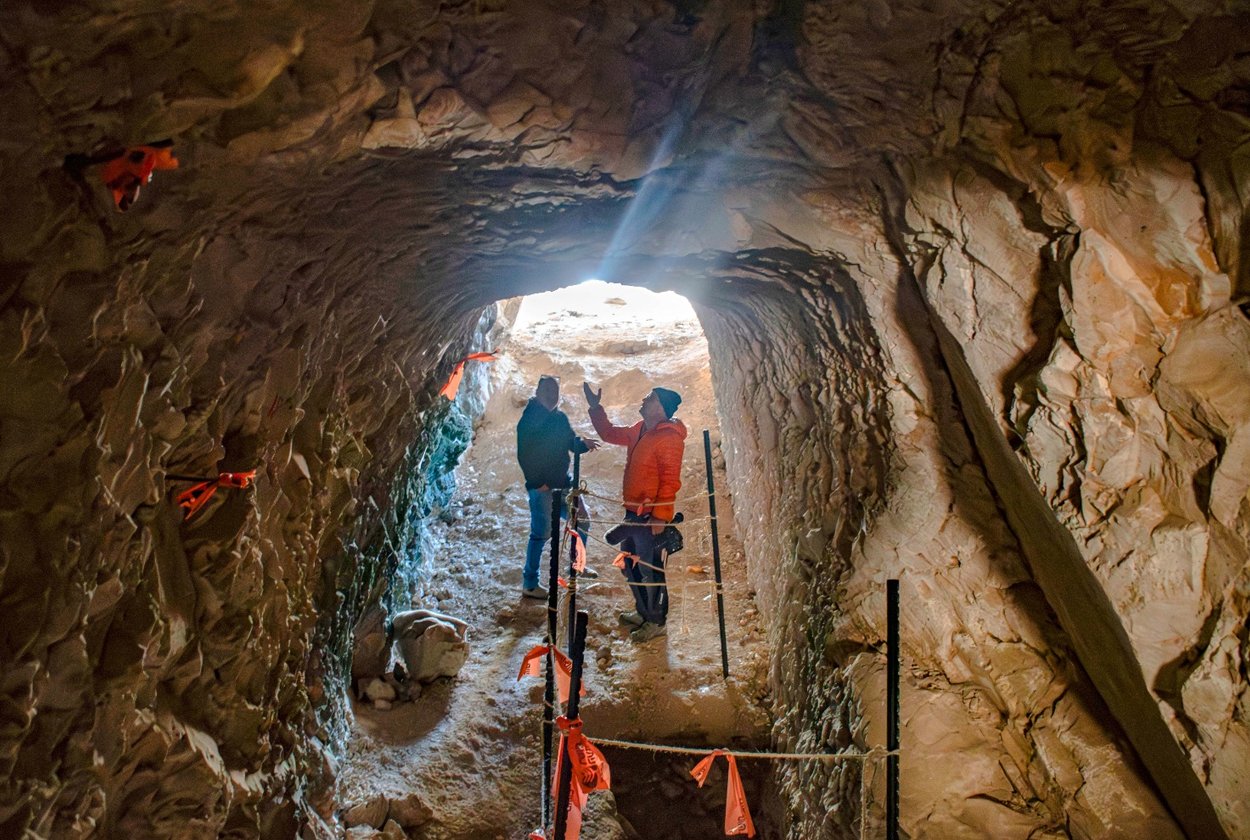
A major archaeological breakthrough emerged this week when excavations near Kibbutz Ramat Rachel, just south of Jerusalem, uncovered a vast underground tunnel of unknown purpose. The discovery came during routine work ahead of a housing development, surprising Israel Antiquities Authority (IAA) researchers.
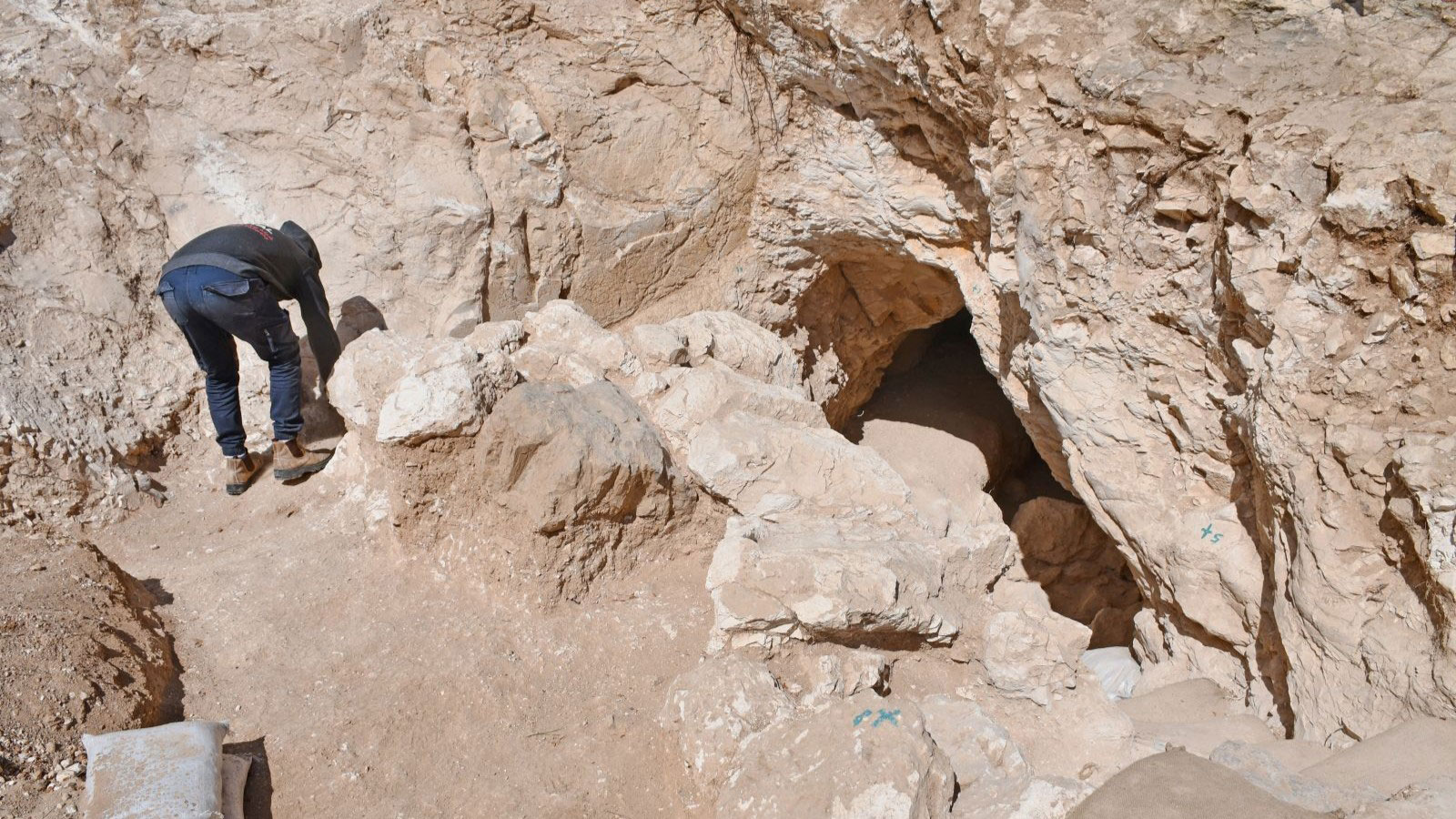
The tunnel's scale and construction have left researchers searching for answers — its purpose remains undetermined. Archaeologists at the IAA formally announced the find, and coverage has come from multiple outlets.
A 2,000-Year-Old Roman Loaf — Switzerland's First
A charred Roman bread loaf dating back roughly 2,000 years has been unearthed at the Vindonissa legionary camp in Windisch, Switzerland — the first discovery of its kind in the country. The find, made during an ongoing excavation of the ancient Roman military site, offers a rare direct window into the diet and daily life of Roman soldiers stationed in what is now central Switzerland.

The loaf is described as "extremely rare" by researchers — its survival through carbonisation (like the famed Pompeian loaves) is what preserved it for millennia.
1,000-Year-Old Box Beneath an Abandoned Church
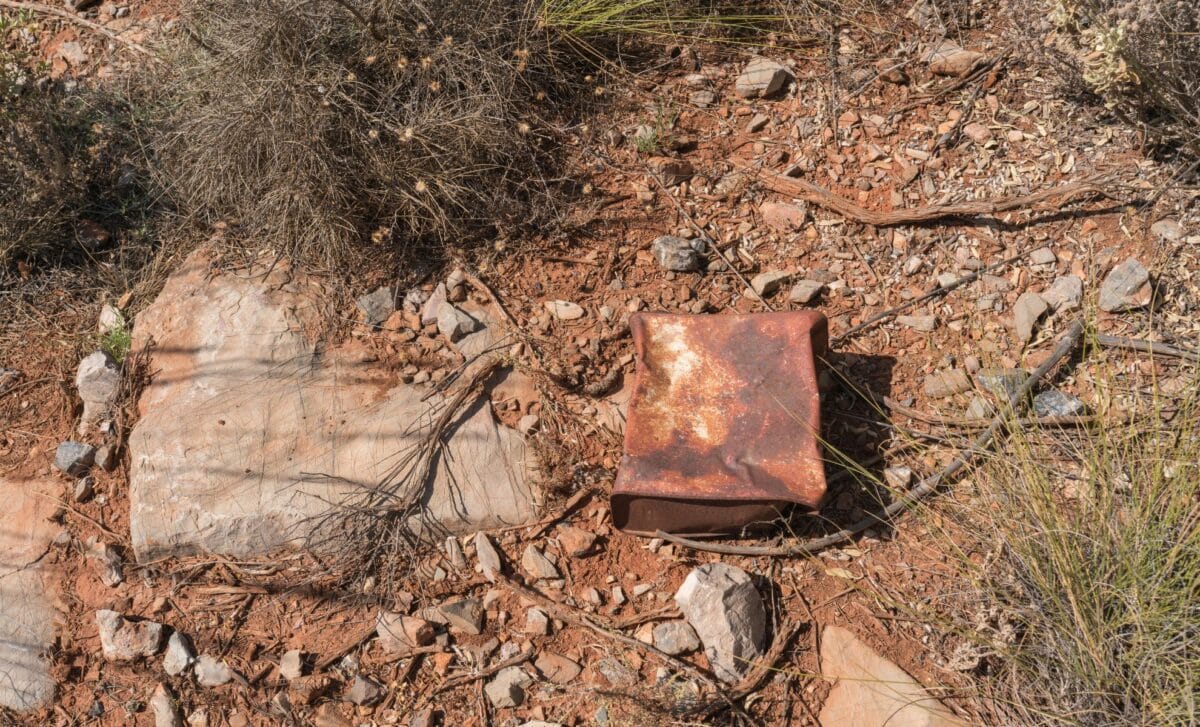
A rare box approximately 1,000 years old has been discovered beneath the ruins of an abandoned church, with archaeologists describing the find as puzzling and significant. Details of its contents and context are still being analysed.
DNA Study Targets Maryland's First Colonists
A DNA study published on 19 May 2026 in African Archaeological Review is now targeting Maryland's earliest European colonists, according to Archaeology Magazine. The research aims to identify individuals from colonial-era burials using modern genetic analysis methods.
Analysis
The Jerusalem tunnel is the week's most arresting discovery. Tunnels in and around the ancient city are not unheard of — the area has been inhabited, fought over, and built upon for millennia — but the scale and construction reported here, combined with the fact that it surfaced during mundane pre-development earthworks, underscores a persistent truth about Jerusalem: barely a metre of soil passes without holding something ancient.
What makes this find especially captivating is the unresolved question of purpose. Tunnels in the region have served as aqueducts, escape routes, storage facilities, ritual passages, and military infrastructure across multiple civilisations. The IAA's caution in not yet assigning a function suggests the archaeology is genuinely open-ended — and that the answer, when it comes, could meaningfully reframe our understanding of a particular period of the city's layered history.
Combined with the Swiss Roman bread — a humble but extraordinarily personal artefact connecting us directly to a soldier's meal 2,000 years ago — this week has been a reminder that archaeology's power lies as much in the intimate as in the monumental.
What to Watch
- Jerusalem tunnel investigation: The IAA is expected to continue analysis to determine the tunnel's age, builders, and function. Any firm dating or identification of purpose will be significant news.
- Maryland colonial DNA study: Results from the genetic analysis of Maryland's first colonists, cited in Archaeology Magazine's 19 May update, may shed new light on who exactly made the earliest European settlements in the Chesapeake region.
- Vindonissa excavations, Switzerland: The Roman legionary camp at Windisch continues to be actively excavated; the bread loaf suggests further organic material may be recoverable from the site's well-preserved layers.
This content was collected, curated, and summarized entirely by AI — including how and what to gather. It may contain inaccuracies. Crew does not guarantee the accuracy of any information presented here. Always verify facts on your own before acting on them. Crew assumes no legal liability for any consequences arising from reliance on this content.
Powered by
