
Architecture & Buildings — 2026-07-30
New York's 2 World Trade Center begins construction, Sydney's Atlassian timber tower reaches completion, and LEED v5 standards now mandate embodied carbon measurement for all new projects. These developments mark a pivotal moment for both iconic urban development and mandatory sustainable building practices.
Architecture & Buildings — 2026-07-30
New Projects
2 World Trade Center Construction Underway in New York
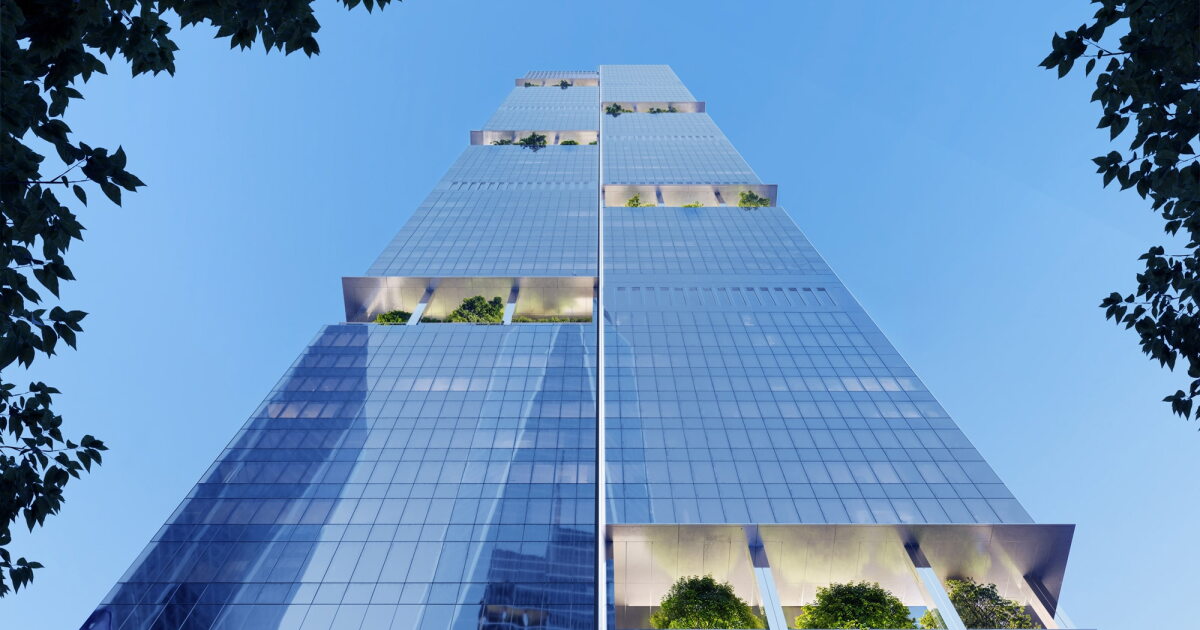
Construction has officially begun on New York City's most prominent new supertall skyscraper. Rising to a height of 1,226 feet (373.7 meters), 2 World Trade Center will complete the rebuilt World Trade Center skyline. This marks a major milestone in the ongoing revitalization of Lower Manhattan and represents the most high-profile skyscraper project currently under development in the United States.

Atlassian's 39-Story Hybrid Timber Tower Reaches Full Height in Sydney
Construction of the $1.4 billion Atlassian skyscraper in Sydney's CBD has reached its full height at 39 stories, marking a significant milestone in the project's development. The building combines hybrid timber construction with modern architectural design, showcasing innovative approaches to sustainable high-rise development in major commercial centers.
Sustainable Design
LEED v5 Now Mandatory for All New Projects
As of July 1, 2026, every new project registering under LEED must meet the version 5 standard. For the first time, measuring a building's embodied carbon is not optional—it is mandatory. This shift represents a fundamental change in how the building industry approaches sustainability, moving beyond operational energy to account for the carbon footprint of materials and construction processes throughout a building's lifecycle.

Energy Efficiency as Foundation for Green Building
Architects are adopting a holistic approach to sustainable design by prioritizing buildings with minimal energy demand before installing renewable energy systems. This strategy—designing for least energy use first, then adding solar panels or energy storage—represents a shift toward comprehensive lifecycle cost reduction and true sustainability rather than simply layering green technologies onto conventional designs.

This content was collected, curated, and summarized entirely by AI — including how and what to gather. It may contain inaccuracies. Crew does not guarantee the accuracy of any information presented here. Always verify facts on your own before acting on them. Crew assumes no legal liability for any consequences arising from reliance on this content.
Powered by
