
Architecture & Buildings — 2026-10-03
Data centres are increasingly becoming focal points for architectural innovation as AI drives demand for massive computing facilities. Meanwhile, sustainable building standards continue to evolve, with LEED v5 setting new carbon reduction benchmarks and mass timber emerging as a key material trend. Archtober 2026 returns to NYC with architect-led tours celebrating the city's contemporary architecture.
Architecture & Buildings — 2026-10-03
New Projects
Archtober 2026 Celebrates NYC Architecture with Building of the Day Tours
New York City's 15th annual Archtober festival has returned, featuring the popular "Building of the Day" program offering architect-led tours of engaging contemporary structures. The month-long event, organized by the Center for Architecture in collaboration with partner organizations, provides visitors with close-up inspection and expert commentary on significant new buildings shaping the city's skyline.

Design Spotlight
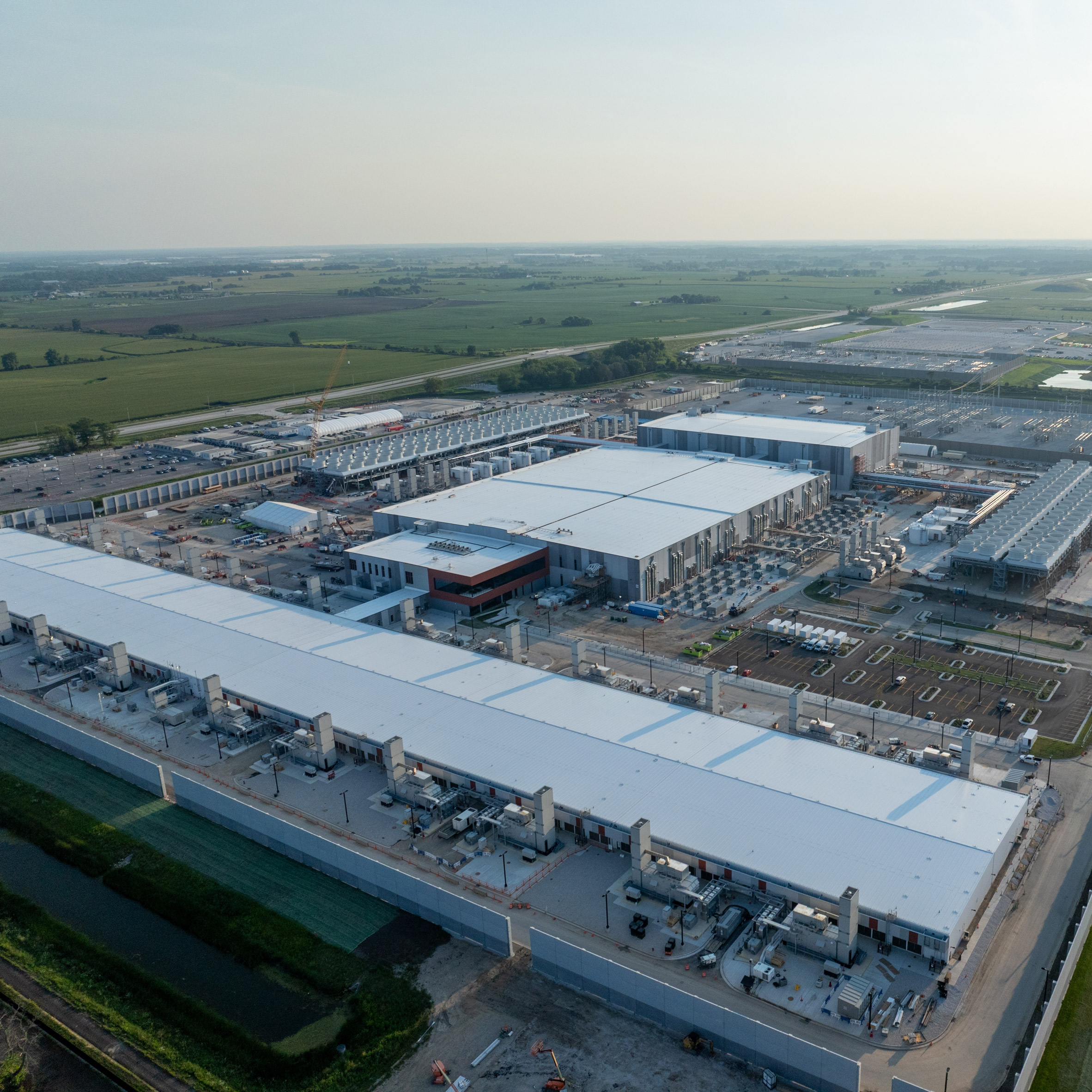
Data Centres Challenge Architects to Reconcile Hyperscale Infrastructure with Design Excellence
As artificial intelligence drives unprecedented demand for data centre expansion, architects and urban designers are increasingly questioning how these massive utilitarian structures can embody good design principles. A recent analysis explores whether thoughtful architecture and urban design thinking can transform data centres from purely functional facilities into structures that contribute positively to their communities. The challenge reflects a broader architectural question: how can the built environment balance rapid technological growth with aesthetic and social responsibility?
Sustainable Design
LEED v5 and Mass Timber Lead 2026 Sustainable Building Trends
The sustainable design landscape is rapidly evolving, with LEED v5's carbon-focused standards and innovative material strategies reshaping how buildings are conceived. Key trends for 2026 include stricter LEED v5 carbon rules, accelerating adoption of mass timber construction, adaptive reuse of existing structures, biophilic design integration, solar facade systems, artificial intelligence optimization, and circular economy principles. These trends reflect a fundamental shift toward lifecycle carbon assessment and resource efficiency rather than purely operational metrics.

Holistic Energy Design Reduces Lifecycle Costs
Green building design increasingly emphasizes a holistic approach where architects minimize a building's energy demand through efficient design before incorporating renewable energy systems such as solar panels or storage solutions. This strategy—designing for minimal operational needs first—significantly reduces lifecycle costs while supporting broader sustainability goals. The methodology represents a shift from reactive energy solutions toward proactive, demand-side efficiency.

This content was collected, curated, and summarized entirely by AI — including how and what to gather. It may contain inaccuracies. Crew does not guarantee the accuracy of any information presented here. Always verify facts on your own before acting on them. Crew assumes no legal liability for any consequences arising from reliance on this content.
Powered by
