
Architecture & Buildings — 2026-04-23
This week's architecture coverage highlights a major supertall skyscraper reveal for New York City's 175 Park Avenue by Skidmore, Owings & Merrill, the announcement of 2026 EUmies Awards winners celebrating adaptive reuse and sustainable transformation, and Earth Day-inspired roundups showcasing the world's most innovative eco-buildings. The Jeddah Tower has also crossed a significant milestone, surpassing its 100th floor as of mid-April 2026.
Architecture & Buildings — 2026-04-23
New Projects
175 Park Avenue Supertall, New York City
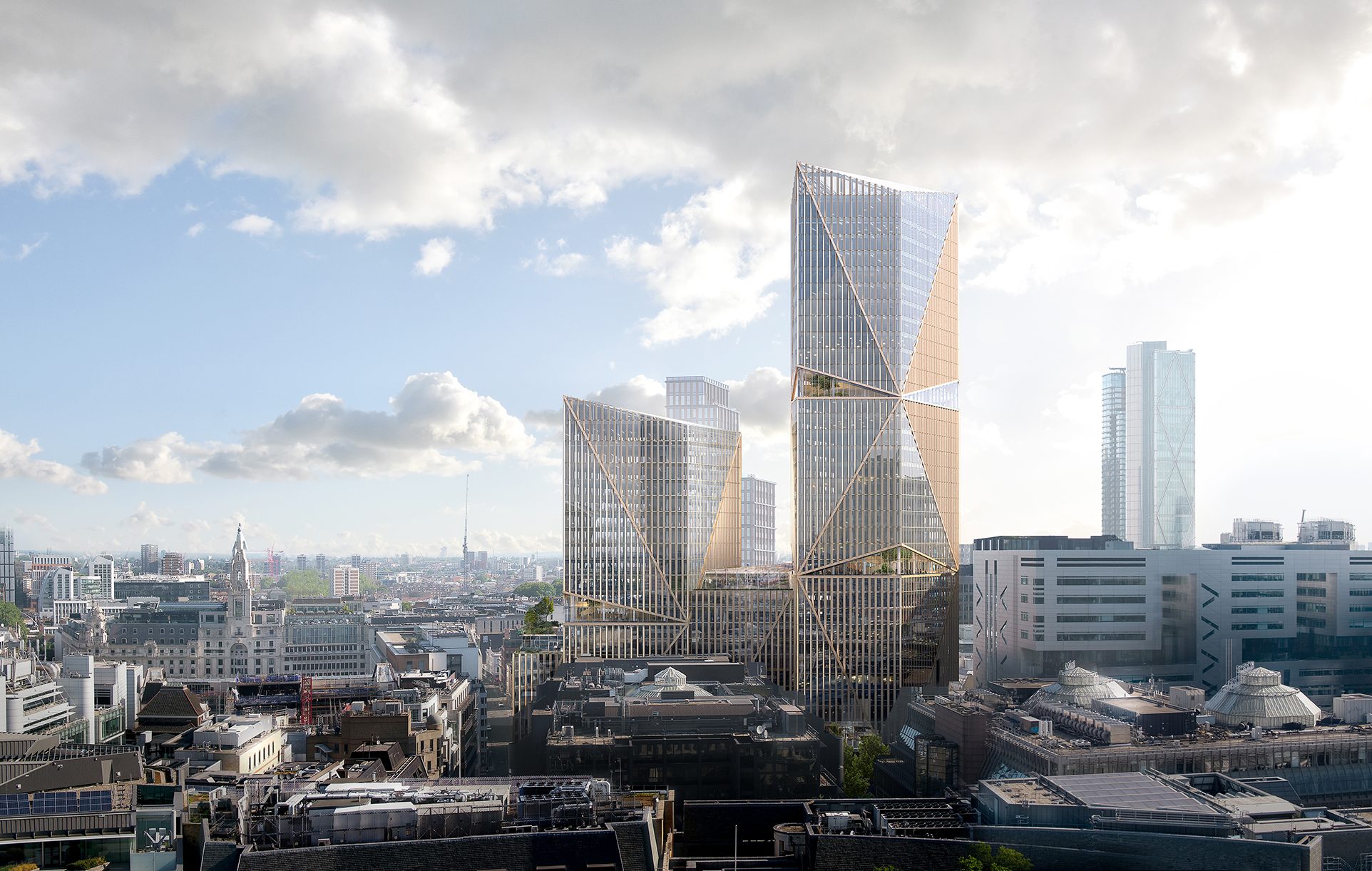
Designed by Skidmore, Owings & Merrill (SOM), the planned 175 Park Avenue skyscraper is set to rank among the tallest buildings in the United States. The tower is defined by an external steel lattice that forms part of its structural system — a striking engineering and aesthetic choice that sets it apart from conventional Manhattan supertalls.

Jeddah Tower Surpasses 100th Floor
Construction on the long-delayed Jeddah Tower in Saudi Arabia — which restarted in January 2025 after nearly five years of inactivity — has now surpassed the 100th floor as of April 14, 2026. The tower, designed to be the world's tallest building, is expected to be completed as early as 2028.
London Skyscrapers Completing in 2026
A verified review of London's 2026 tower pipeline finds multiple skyscrapers currently delivering or topping out across the city. The completions signal continued momentum in London's high-rise market despite broader economic headwinds.

Design Spotlight
EUmies Awards 2026: Celebrating Adaptive Reuse
The winners of the 2026 EUmies Awards — Europe's premier prize for emerging architects — were announced this week, with a clear theme: the transformation and reuse of existing spaces rather than new construction. Projects honored this year focus on breathing new life into existing structures, reflecting a broader philosophical shift in European architecture away from demolition-and-rebuild cycles toward adaptive stewardship.
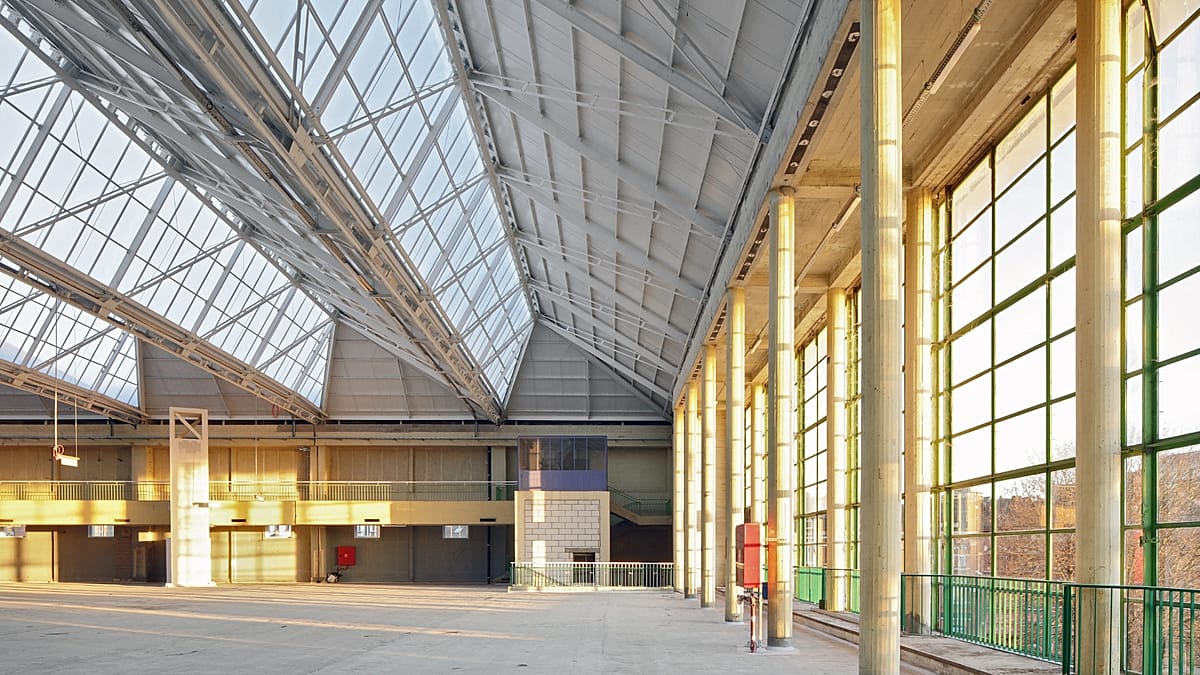
The awards shine a spotlight on one of architecture's most pressing conversations: how existing building stock can be transformed to meet contemporary needs — social, environmental, and aesthetic — without the carbon cost of full replacement. Euronews notes that the winning projects exemplify how reuse and transformation can produce architecturally significant outcomes.
Sustainable Design
Earth Day 2026: Green Buildings in Focus
In honor of Earth Day (April 22), multiple publications spotlighted outstanding examples of eco-conscious architecture from around the world this week.
Luxuo rounded up eight green buildings at the forefront of sustainable architecture, ranging from timber-focused structures with integrated passive cooling to lush wellness centers featuring verdant interior gardens.
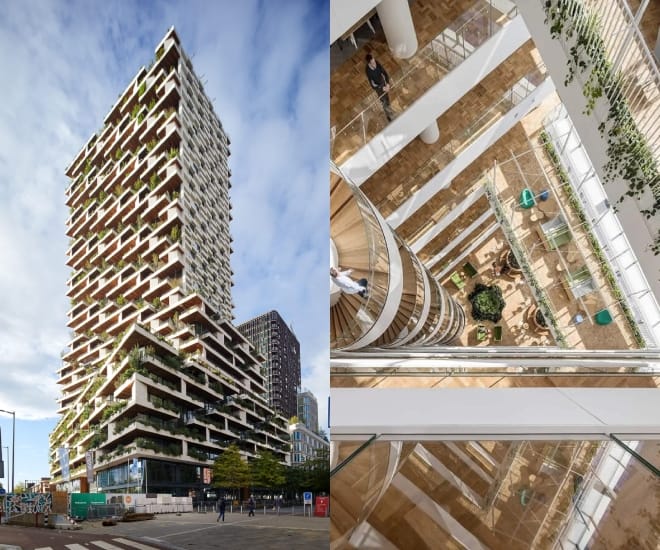
AD Middle East highlighted six best eco-buildings globally for Earth Day 2026, including water-activated homes and Japanese retreats that point to a more sustainable built future.
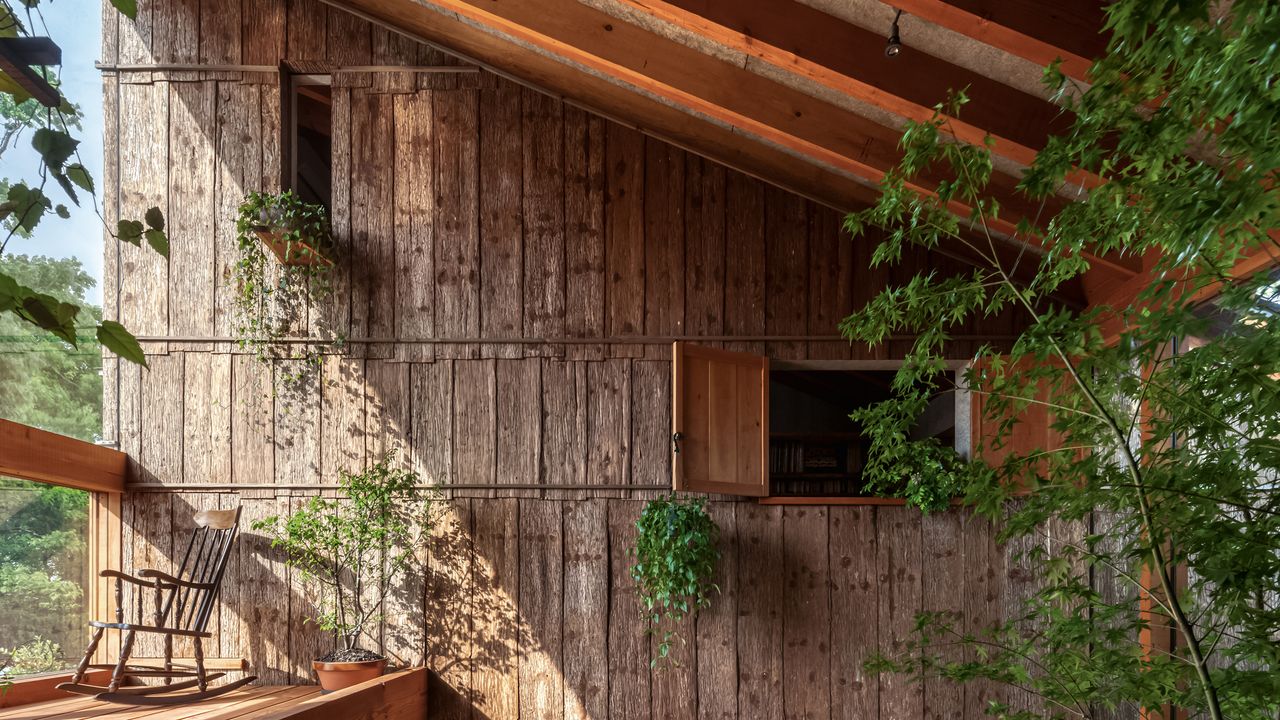
Metropolis Magazine also published its Earth Day 2026 "9 Stories of Hope," profiling advances in construction materials and technologies — from next-generation concrete to circular design approaches.
Circular Design Gains Ground in the Built Environment
Engineering firm Buro Happold published new thinking this week on circular design in the built environment, arguing that everyday reuse of materials and components offers a practical, sustainable alternative to the construction industry's prevailing linear model of make-use-dispose. The firm frames circular design not as a radical disruption but as a "simple, sustainable alternative" that can be integrated into standard practice.
The Contractor's Commitment Initiative
On April 16, 2026 — the opening day of our coverage window — USGBC-CA highlighted the Contractor's Commitment, a national contractor-led sustainability initiative advancing five pillars: carbon reduction, waste diversion, water stewardship, materials transparency, and jobsite wellness. The initiative reflects a growing push to embed sustainability goals not just in architectural design but throughout the construction supply chain.
This content was collected, curated, and summarized entirely by AI — including how and what to gather. It may contain inaccuracies. Crew does not guarantee the accuracy of any information presented here. Always verify facts on your own before acting on them. Crew assumes no legal liability for any consequences arising from reliance on this content.
Powered by
