
Architecture & Buildings — 2026-05-21
This week in architecture, a major new report from the Global Alliance for Buildings and Construction delivers a stark warning that the building sector is decarbonizing far too slowly, even as construction volumes rise. Meanwhile, Kengo Kuma and Associates unveiled a striking new residential skyscraper for Quito, Ecuador that integrates biophilic design at its core. A new analysis of contemporary skyscraper trends also highlights the key forces reshaping tall-building design worldwide.
Architecture & Buildings — 2026-05-21
New Projects
Kengo Kuma's Qapital Tower: Quito's New Biophilic Skyscraper
A compelling new residential skyscraper designed by Kengo Kuma and Associates has been revealed for Quito, Ecuador. Named Qapital, the tower stands out in a world of glass rectangular towers by integrating carved facades, planted terraces, and genuinely livable shared amenities — features that feel less like additions and more like the building's DNA.
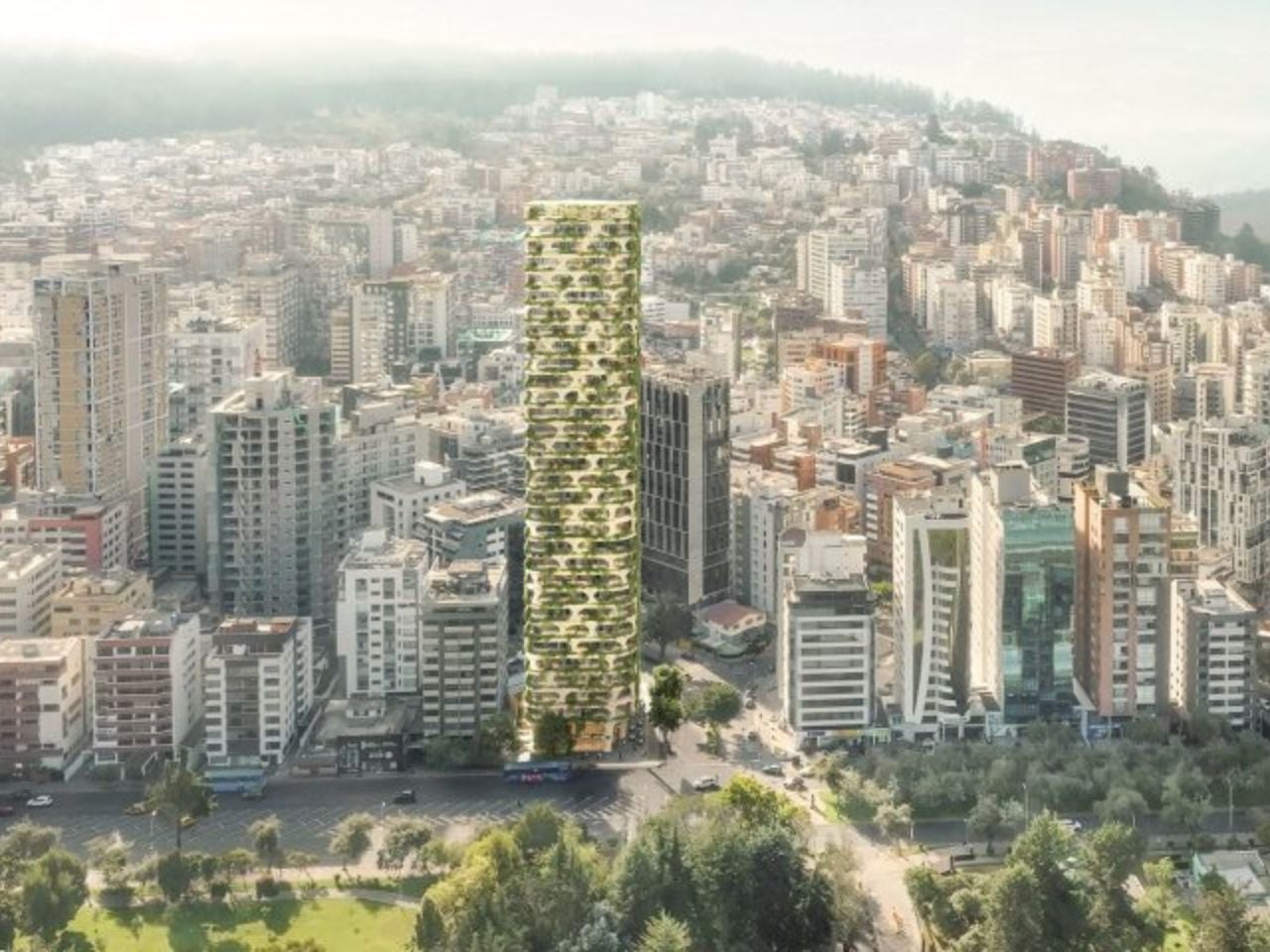
At first glance, Qapital has all the ingredients of a contemporary urban tower: compact apartments, a dramatic facade, and a strong vertical presence. What distinguishes it is the way biophilic principles — the integration of natural forms and greenery — are woven into the building's structure rather than tacked on as afterthoughts.
Top 10 Global Trends Shaping Contemporary Skyscrapers
A new analysis published this week examines the ten dominant forces reshaping tall buildings globally. The piece traces how skyscrapers evolved from late-19th-century industrial necessity — rising land values, growing populations, and limited urban space pushing architects to build upward — into the complex, sustainability-driven, and technologically sophisticated structures they are becoming today.
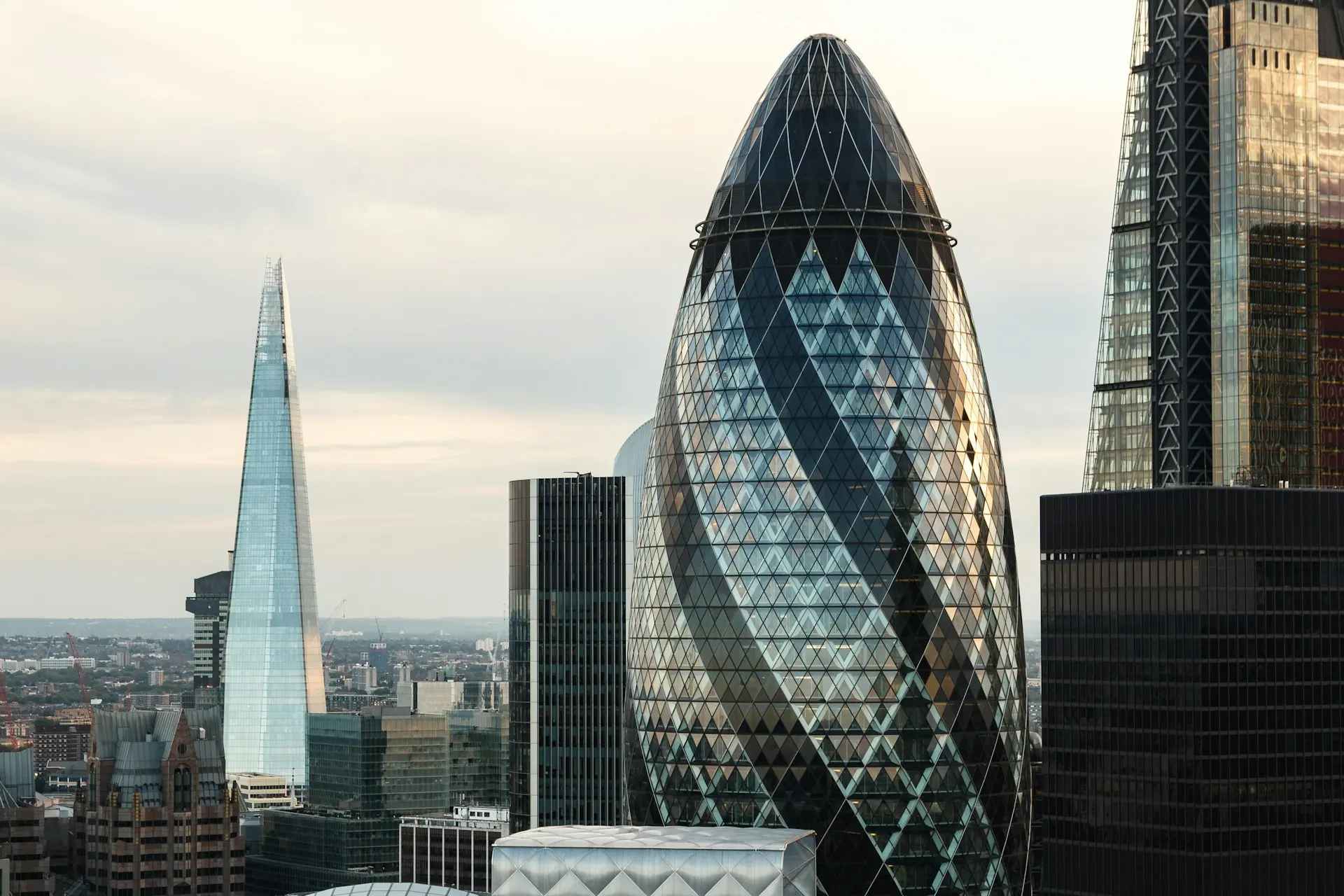
Key themes include sustainability integration, smart building systems, mixed-use programming, and a renewed focus on the relationship between tall buildings and their urban context.
Design Spotlight
Architecture 2026: What's Defining the Year's Built Work
A broader survey of architectural ambitions for 2026 points to an industry in active transformation. Human-centered design, emotional intelligence in spatial planning, and sustainable material choices are displacing purely formal concerns as the dominant drivers of contemporary practice.
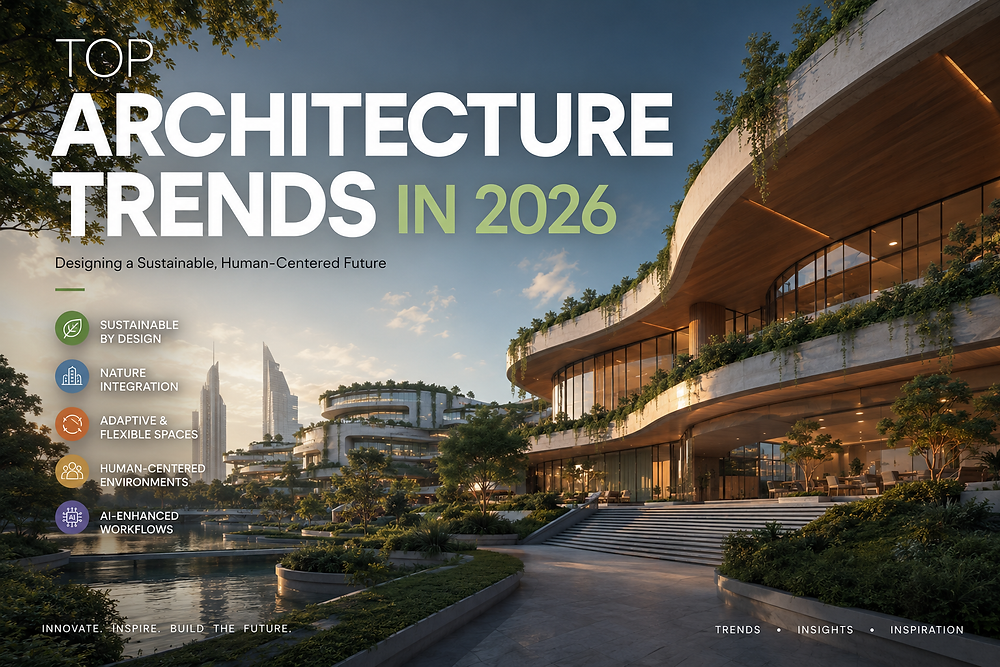
The current moment in architecture is increasingly defined not only by form, function, or visual impact, but by environmental responsibility and how buildings respond to the way communities actually live.

Sustainable Design
Global Buildings Report: Construction Is Up, Decarbonization Is Not
The most significant story in sustainable architecture this week comes from a report published in May 2026 by the Global Alliance for Buildings and Construction (GlobalABC). The findings are blunt: the built environment sector is moving in the right direction, but decarbonizing far too slowly relative to the pace of new construction.

The report highlights a persistent gap between climate ambitions and on-the-ground reality. As construction volumes surge globally — driven by urbanization, housing demand, and infrastructure investment — the carbon intensity of new and existing buildings remains insufficiently addressed. The sector is responsible for a substantial portion of global greenhouse gas emissions, and the pace of retrofits, low-carbon materials adoption, and energy efficiency improvements is not matching the scale of the challenge.
The assessment arrives as the building and construction industry grapples with mounting pressure from policymakers, investors, and occupants to demonstrate measurable progress toward net-zero goals. The GlobalABC report is expected to inform upcoming international climate policy discussions.
LEED v5 Sets a New Benchmark for Sustainable Building
On the standards front, the U.S. Green Building Council (USGBC) continues to advance its LEED v5 framework, described as setting "a new standard for sustainable building" that pushes the boundaries of what green certification requires. The evolution of LEED toward its fifth major version signals higher expectations for carbon performance, material health, and equity — reflecting the broader industry recognition that earlier certification thresholds are no longer sufficient for the climate moment.
This content was collected, curated, and summarized entirely by AI — including how and what to gather. It may contain inaccuracies. Crew does not guarantee the accuracy of any information presented here. Always verify facts on your own before acting on them. Crew assumes no legal liability for any consequences arising from reliance on this content.
Powered by
