
Architecture & Buildings — 2026-07-16
The World Architecture Festival has unveiled its 2026 shortlist featuring 416 projects worldwide, while engineers assess structural damage to a Manhattan high-rise. Smart facade design and sustainable interior architecture emerge as key trends reshaping how buildings are designed and constructed.
Architecture & Buildings — 2026-07-16
New Projects
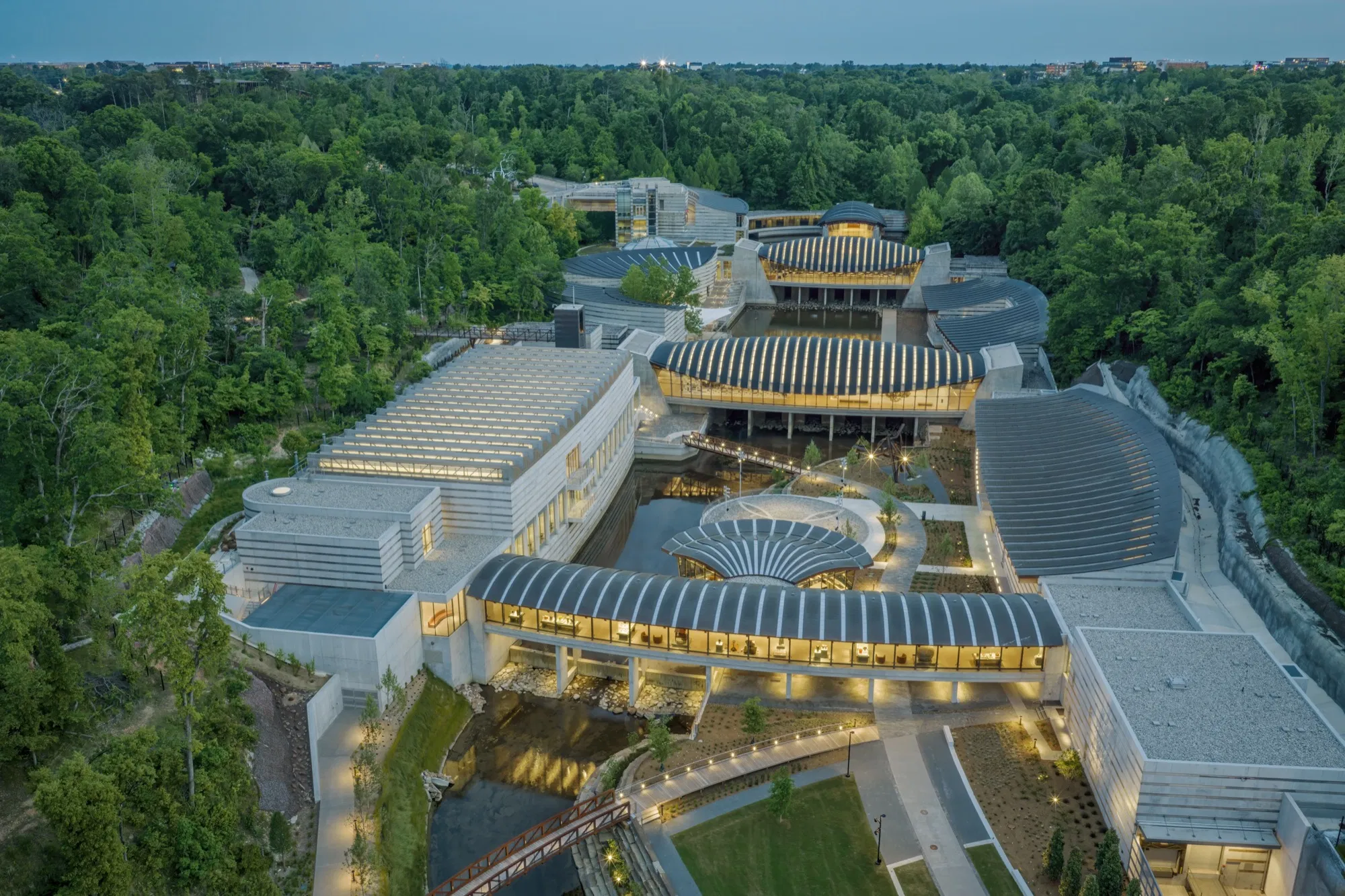
The World Architecture Festival (WAF) has officially announced the shortlist for its 2026 awards program, recognizing 416 projects from around the globe. The selection spans completed buildings, future proposals, and landscape architecture, showcasing the breadth of contemporary design across multiple disciplines and geographies.
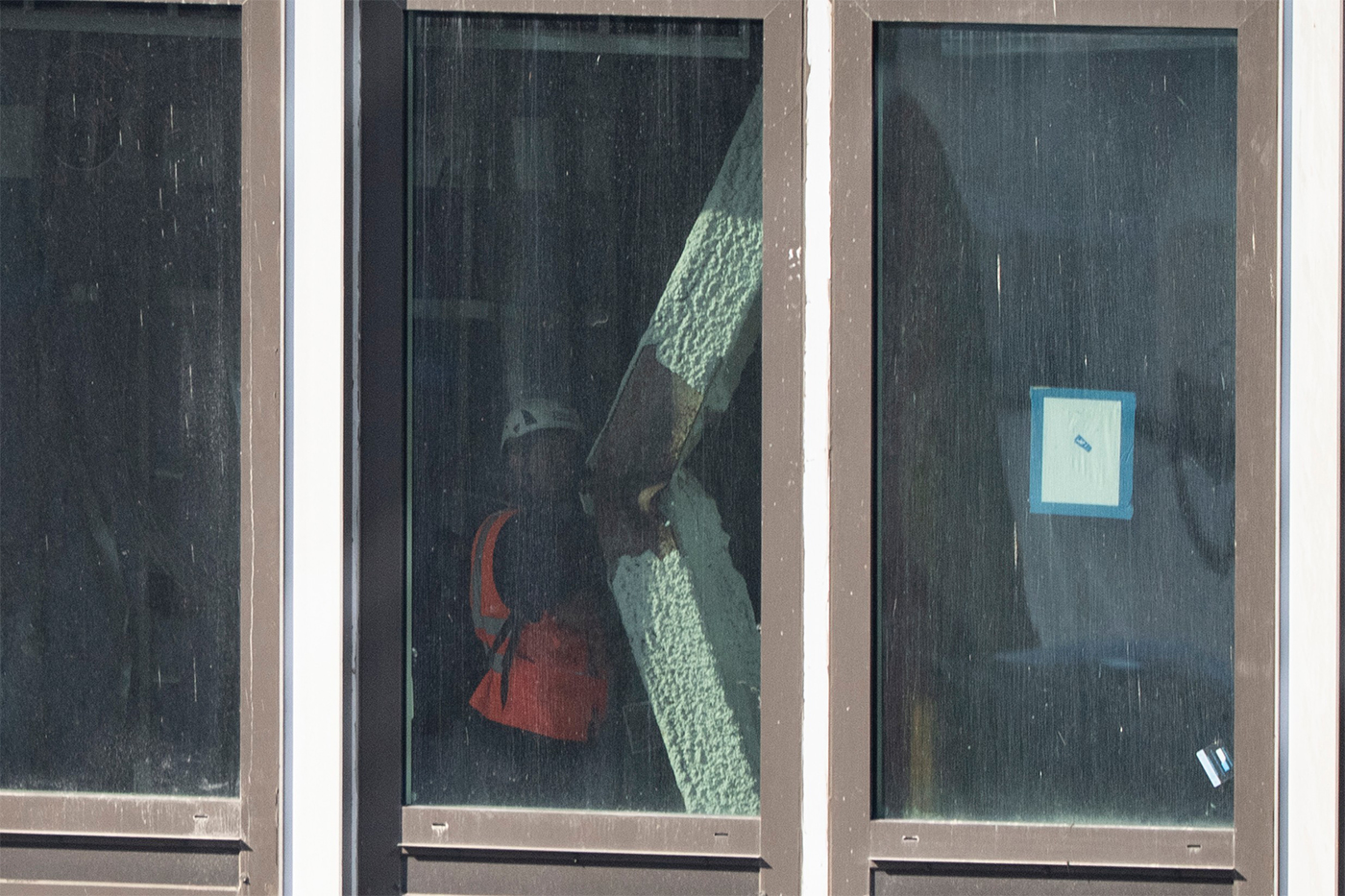
In a critical infrastructure update, a Midtown Manhattan skyscraper under construction has faced structural challenges. Engineers have indicated that "extensive work" would be required to assess the building's integrity following buckling damage to structural columns. The building was evacuated after temporary shoring was installed to stabilize the structure.
Design Spotlight
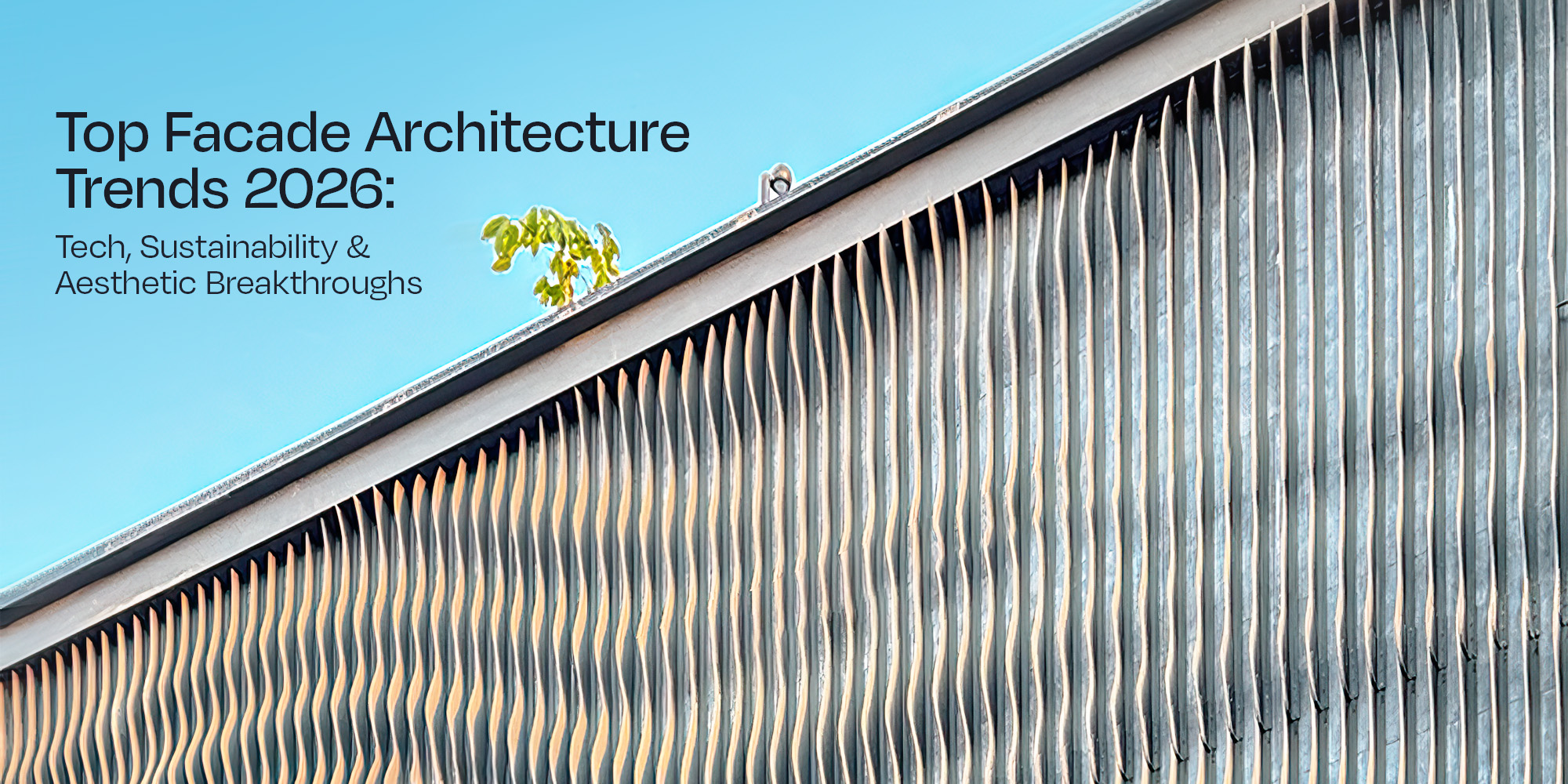
Facade architecture in 2026 is experiencing a transformation driven by technology and sustainability imperatives. Architects are increasingly adopting parametric design, retrofit systems, and sustainable materials to create high-performance building envelopes. The trend emphasizes energy-efficient, adaptive facades that respond to environmental conditions while reducing operational carbon footprints.
Sustainable Design
Sustainable interior design is now recognized as essential to green building performance. Beyond facade systems, interior architectural decisions directly impact embodied carbon, waste reduction, and building lifecycle costs. Designers are prioritizing durable, low-impact materials and strategies that extend building lifespan—a critical lever for decarbonization.

Architects are embedding holistic energy strategies into design from conception. Building design now prioritizes minimizing energy demand before deploying renewable systems such as solar panels or energy storage, significantly reducing lifecycle costs. Smart technology integration supports performance across LEED categories including Energy & Atmosphere, Indoor Environmental Quality, and Water Efficiency.
This article covers significant developments in global architecture from July 9–16, 2026.
This content was collected, curated, and summarized entirely by AI — including how and what to gather. It may contain inaccuracies. Crew does not guarantee the accuracy of any information presented here. Always verify facts on your own before acting on them. Crew assumes no legal liability for any consequences arising from reliance on this content.
Powered by
