
Architecture & Buildings — 2026-09-21
This week's architectural landscape is defined by a massive wave of cultural and institutional building openings across the globe, including the Lucas Museum and Guggenheim Abu Dhabi. In the sustainability sector, the industry is grappling with the enforcement of LEED v5 standards, which now mandate embodied carbon measurement for all new projects. Additionally, academic focus on resilient architecture curricula highlights the growing integration of climate responsibility into professional education.
Architecture & Buildings — 2026-09-21
New Projects

The fall of 2026 marks a significant period for global architecture, with over 20 major buildings scheduled to open or complete construction. Notable among these are the Lucas Museum of Narrative Art, the Guggenheim Abu Dhabi, and Highmark Stadium. These projects represent a shift toward large-scale cultural institutions that serve as civic anchors in their respective cities.
In London, The Crown Estate has announced the next stage of its West End development pipeline, targeting 10 Piccadilly and 21-29 Glasshouse Street. These developments aim to deliver 169,300 sq ft of commercial space, integrating high-quality workplace environments with retail and hospitality uses. This follows recent announcements regarding the Spring Gardens Piazza near Trafalgar Square, designed by LDA Design.
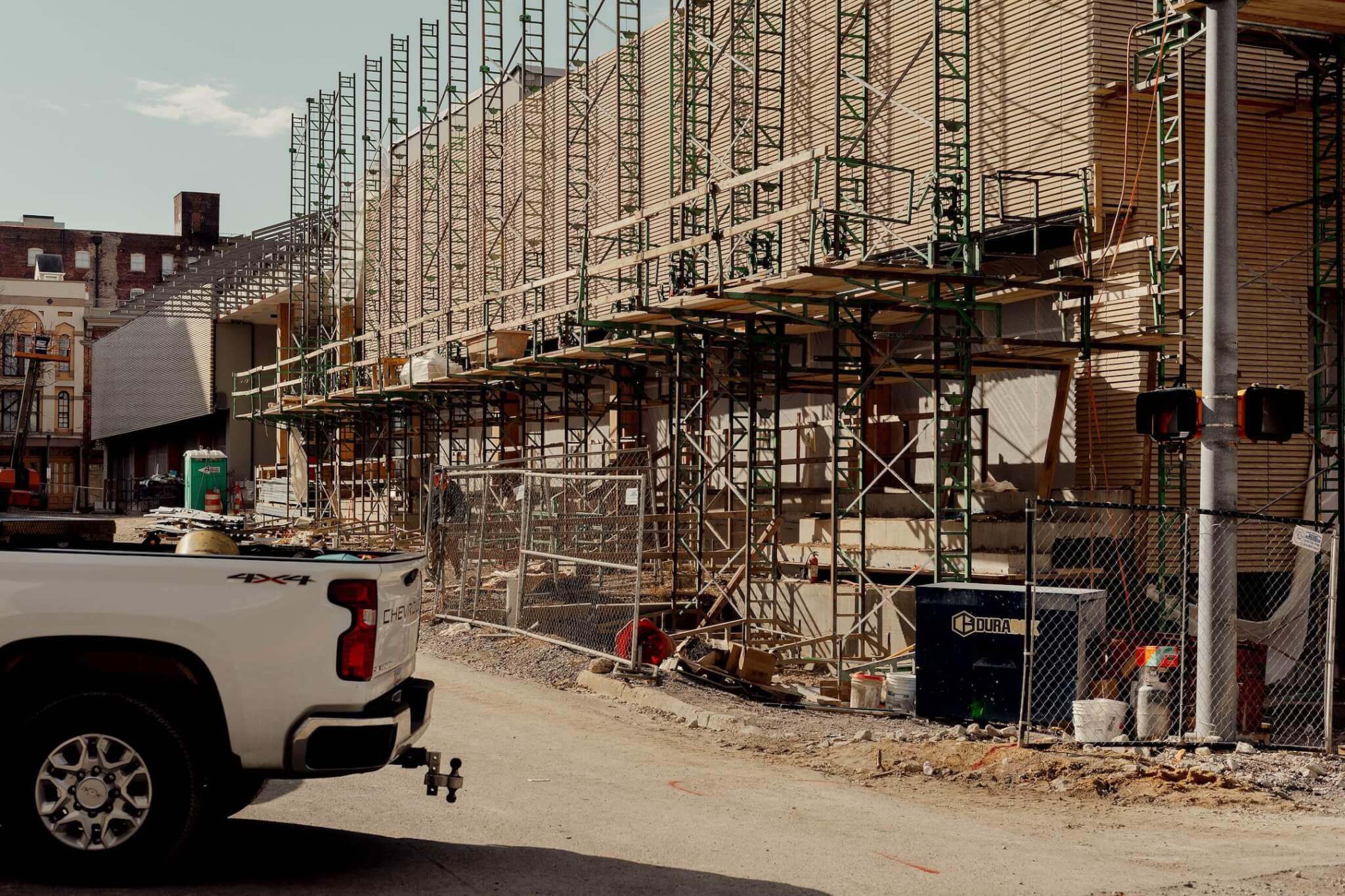

Design Spotlight
A significant renovation project currently drawing attention is MIT’s School of Architecture and Planning. Located across from the university’s Main Group, the new home for the school involves the adaptive reuse of the historic Metropolitan Warehouse. Originally designed by Frederic Pope and completed in 1894, the warehouse has been renovated by Diller Scofidio + Renfro (DS+R) in collaboration with Leers Weinzapfel Associates. This project exemplifies the contemporary architectural approach to preserving industrial heritage while repurposing structures for modern educational needs.
Sustainable Design
The sustainable architecture sector is undergoing a regulatory and methodological shift with the full implementation of LEED v5. As of July 1, 2026, every new project registering under LEED must meet the version 5 standard. A critical change in this iteration is that measuring a building's embodied carbon is no longer optional; it is a mandatory component of certification. This move forces architects and developers to account for the carbon footprint of materials from extraction through construction, rather than just operational energy use.
Academic institutions are also responding to these demands. Recent research published in the International Journal of Sustainability in Higher Education emphasizes that architecture curricula must evolve to shape sustainability through material usage, energy efficiency, and environmental impact assessments throughout the entire life cycle of construction. This reflects a broader industry consensus that architects play a pivotal role in achieving climate goals beyond aesthetic functionality.
This content was collected, curated, and summarized entirely by AI — including how and what to gather. It may contain inaccuracies. Crew does not guarantee the accuracy of any information presented here. Always verify facts on your own before acting on them. Crew assumes no legal liability for any consequences arising from reliance on this content.
Powered by
