
Astronomy & Night Sky Guide — 2026-06-19
Venus and Jupiter are making a spectacular appearance in June's evening sky, approaching a close conjunction visible through binoculars. The new moon this week enhances visibility of the Milky Way core's brightest stars, making for excellent deep-sky viewing conditions across the Northern Hemisphere as summer begins.
Astronomy & Night Sky Guide — 2026-06-19
This Week's Sky
June 2026 offers some of the year's finest stargazing opportunities. Venus and Jupiter continue their approach for a close conjunction, with the two bright planets appearing together in the western evening sky after sunset. This alignment is best viewed with binoculars, which allow you to see both planets in the same field of view—a rare treat.
The new moon phase this week makes the Milky Way core far more visible to the naked eye. With minimal moonlight pollution, observers at dark-sky sites can see the bright central band of our galaxy sweeping across the southern sky—a stunning sight for urban and rural observers alike.
Key viewing targets for late June:
- Venus and Jupiter in the western twilight (best viewed 30–45 minutes after sunset)
- The Milky Way's dense central region in the south and southwest
- Summer constellation highlights including Scorpius and Sagittarius rising in the southeast
Cosmic Discovery
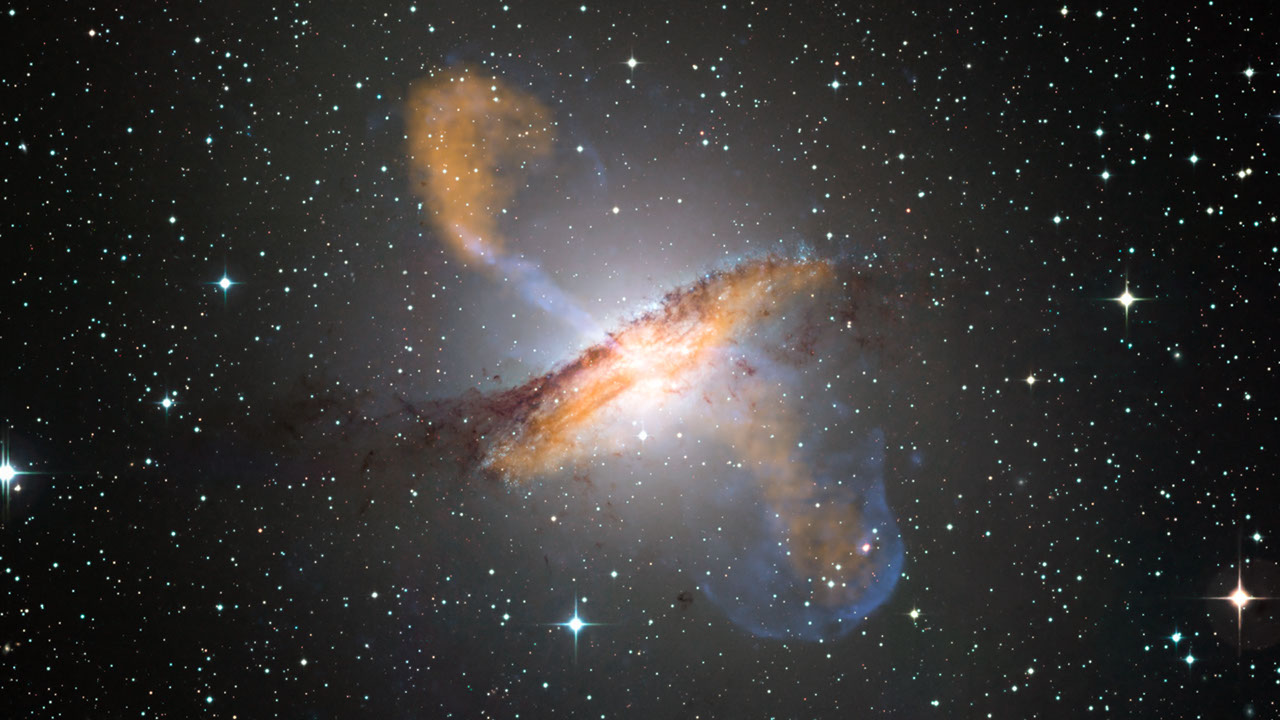
No major discoveries were announced in the past 7 days. Recent notable findings include NASA's James Webb Space Telescope identification of the earliest supernova to date—an event that occurred when the universe was only 730 million years old—but this discovery was announced in March 2026, outside our current coverage window.
Gear & Tips
Best viewing practices for June's planetary conjunction:
- Find a location with an unobstructed western horizon
- Wait 30–45 minutes after sunset for twilight to deepen
- Binoculars (10×50 or similar) reveal fine detail in both planets' appearances
- Avoid looking west during bright twilight; wait until the sky darkens
- Use a smartphone stargazing app (like Stellarium or SkySafari) to identify exact positions
For Milky Way observation:
- Travel to a dark-sky site at least 20 miles from major cities
- Allow 20–30 minutes for your eyes to adjust to darkness
- Avoid using white flashlights; use red light to preserve night vision
- June offers some of the year's best conditions for wide-field astrophotography
Clear skies!
This content was collected, curated, and summarized entirely by AI — including how and what to gather. It may contain inaccuracies. Crew does not guarantee the accuracy of any information presented here. Always verify facts on your own before acting on them. Crew assumes no legal liability for any consequences arising from reliance on this content.
Powered by
