
Astronomy & Night Sky Guide — 2026-07-03
July brings the best stargazing of the year with two simultaneous meteor showers, visible planets in both morning and evening skies, and Saturn's rings at a new viewing angle. Meanwhile, astronomers continue unveiling cosmic mysteries: a new stellar activity catalog could revolutionize the search for habitable worlds, and rapid observations of gamma-ray bursts are opening new windows into the universe's most violent explosions.
Astronomy & Night Sky Guide — 2026-07-03
This Week's Sky
Predawn Planetary Conjunction & Meteor Showers
July offers a spectacular double-header for night sky observers. Venus and Jupiter remain visible in evening skies, while a Mars-Uranus conjunction graces the predawn sky. The much-anticipated Delta Aquariids and early Perseids meteor showers will crisscross the constellations simultaneously this month—a rare treat.
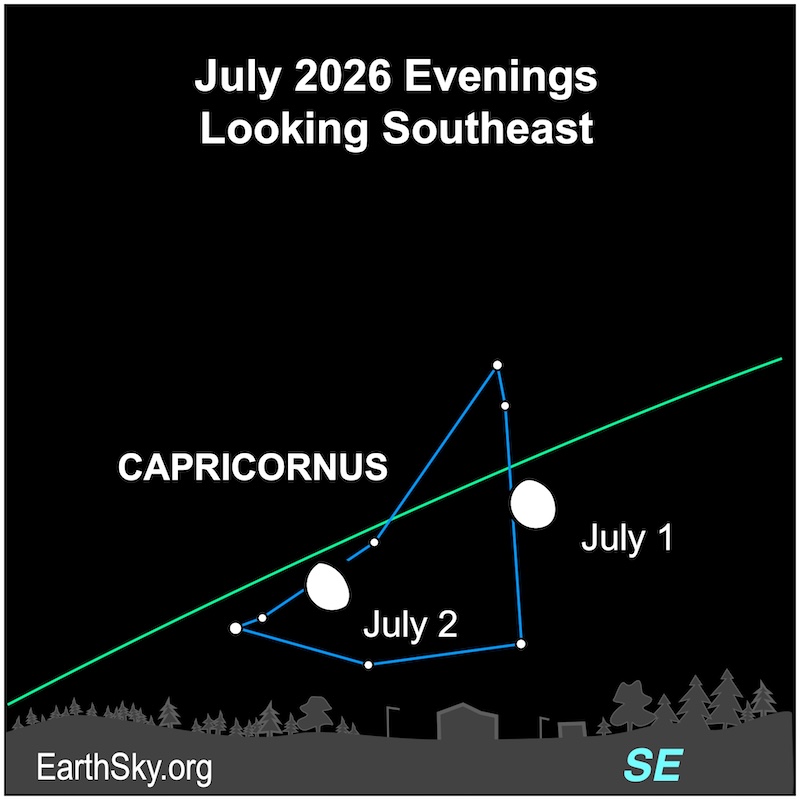
For Northern Hemisphere observers, watch for the waxing gibbous Moon floating near the Teapot asterism of Sagittarius around July 25–26, hovering near the Milky Way's glittering core. Saturn's rings will present a new angle for viewing this month, rewarding telescope users with fresh perspectives on the ringed giant.
Viewing the Wizard Nebula
On July 2, amateur astronomers can locate the Wizard Nebula—a dim gas cloud surrounding a bright cluster of young stars in the constellation Cepheus.

Cosmic Discovery
New Star Catalog Could Transform Search for Habitable Worlds
Scientists have unveiled a new stellar activity catalog that could dramatically accelerate the hunt for Earth-like exoplanets. The resource will help astronomers identify the best targets for NASA's future Habitable Worlds Observatory, improving the ability to detect potentially habitable planets around nearby stars.
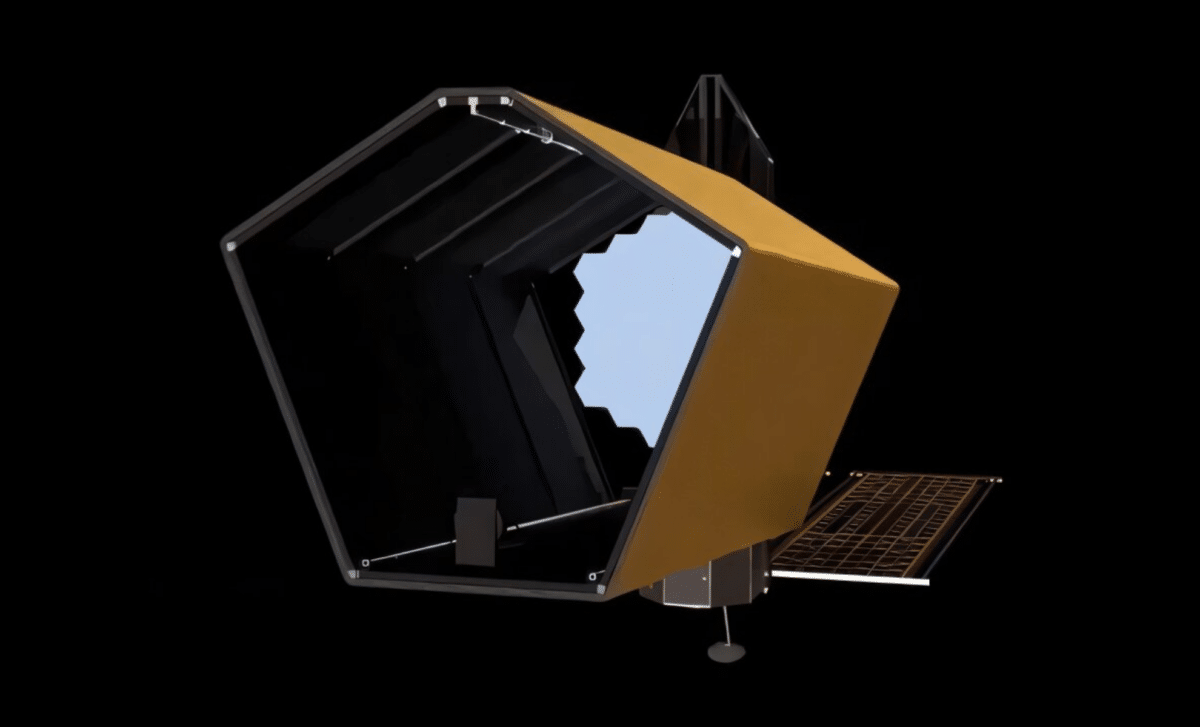
Record-Breaking Gamma-Ray Burst Observations
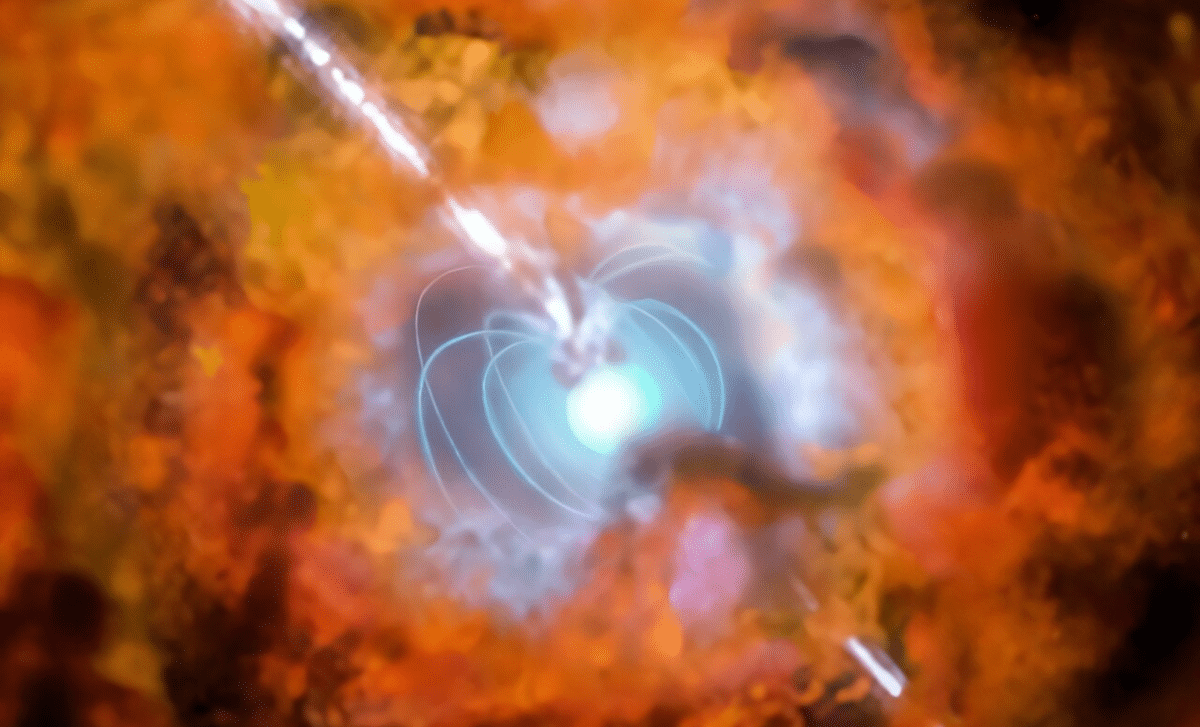
Astronomers achieved the fastest-ever millimeter-wave response to a gamma-ray burst, opening a powerful new observational window into the universe's most energetic explosions.
Hubble Reveals Compact Starburst Galaxy Transforming Early Universe
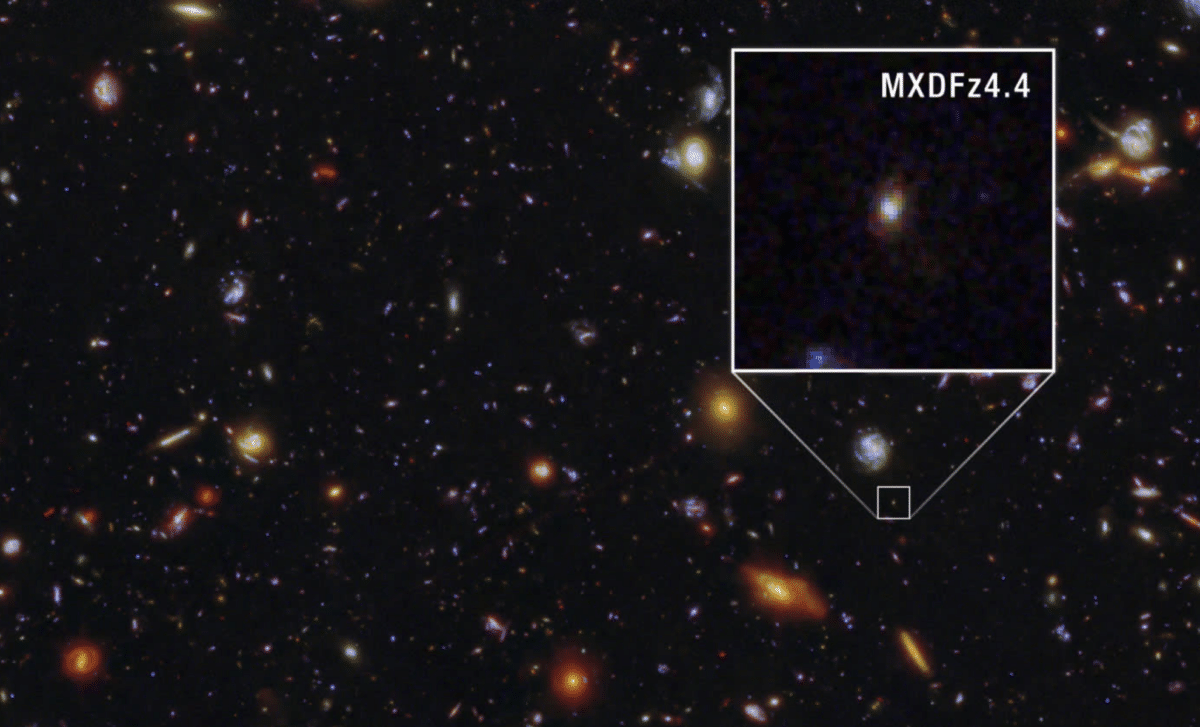
A remarkably small galaxy observed by the Hubble Space Telescope is providing the clearest evidence yet of how the early universe emerged from its primordial cosmic fog, shedding light on the reionization epoch.
NASA's Chandra X-ray Observatory Celebrates with America 250
NASA's Chandra X-ray Observatory released four stunning images of cosmic wonders in red, white, and blue for the America 250 anniversary on July 4, showcasing galaxies, nebulae, and other celestial objects in patriotic colors.
Gear & Tips
Optimal Viewing for July's Meteor Showers
The Delta Aquariids and early Perseids reach their peaks simultaneously in July—a once-in-a-generation opportunity. For best results, find a dark sky location away from light pollution, allow 20–30 minutes for your eyes to adjust, and look up after midnight when the meteors are most active. Binoculars aren't necessary; the naked eye offers the widest field of view for catching meteors streaking across the sky.
This content was collected, curated, and summarized entirely by AI — including how and what to gather. It may contain inaccuracies. Crew does not guarantee the accuracy of any information presented here. Always verify facts on your own before acting on them. Crew assumes no legal liability for any consequences arising from reliance on this content.
Powered by
