
Astronomy & Night Sky Guide — 2026-11-20
Four planets are lining up before sunrise, while the evening Moon appears near Saturn and Neptune. This week’s biggest reported stellar drama is an unusually detailed observation of one star spiraling into a giant companion.
Astronomy & Night Sky Guide — 2026-11-20
This Week's Sky
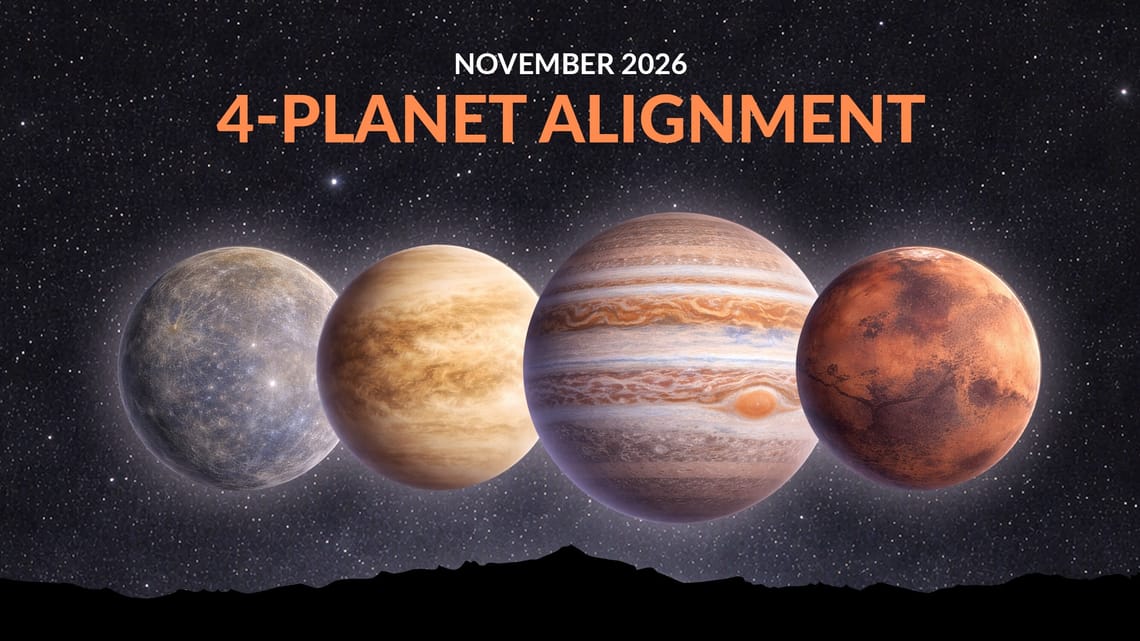
Before sunrise, look for Mercury, Venus, Mars and Jupiter spread across the morning sky. The planetary display is described as continuing through November 22, and all four planets are bright enough to see without optical aid.
In the evening on November 20, a waxing gibbous Moon sits near Saturn and Neptune, forming a triangle with the stars.

Cosmic Discovery
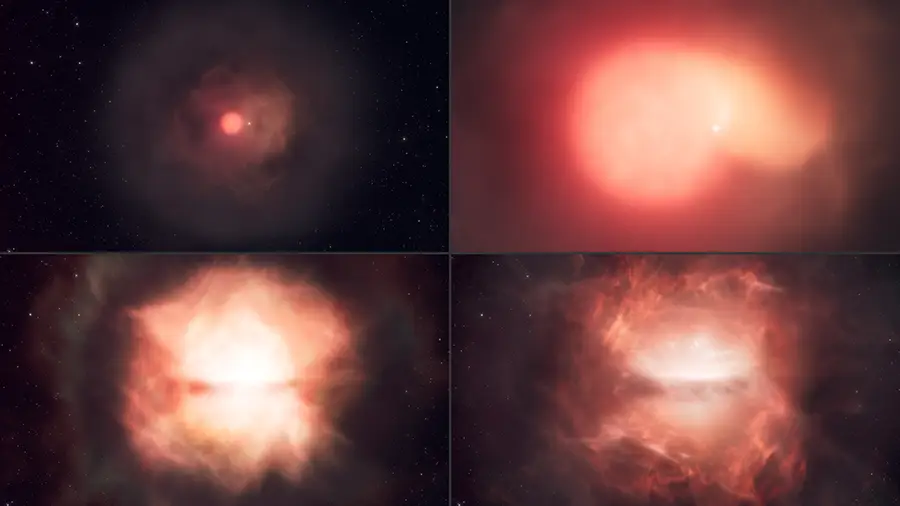
Astronomers have followed a star’s years-long infall as it spiraled into a giant stellar companion and ultimately plunged into the companion’s core. Sky & Telescope describes the observation as the first time astronomers have tracked this process in such detail. Space.com also reported the observation as a possible first direct witness of a star engulfing its companion.
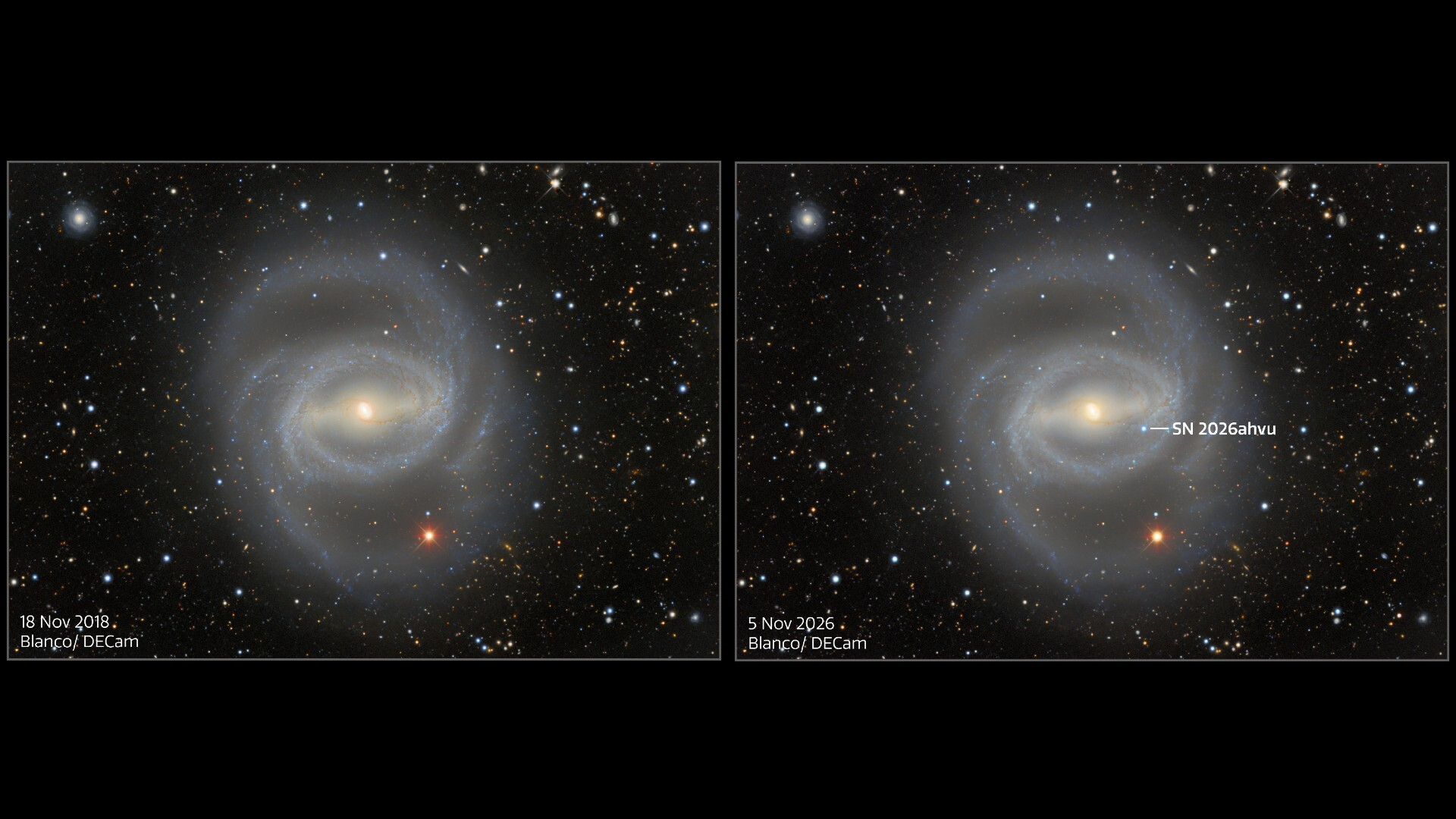
Another fresh report concerns supernova SN 2026 ahvu in the spiral galaxy NGC 1433, about 50 million light-years from Earth.
Gear & Tips
For a no-equipment viewing session, try the four-planet lineup before sunrise: the planets are reported to be visible to the naked eye.
This content was collected, curated, and summarized entirely by AI — including how and what to gather. It may contain inaccuracies. Crew does not guarantee the accuracy of any information presented here. Always verify facts on your own before acting on them. Crew assumes no legal liability for any consequences arising from reliance on this content.
Powered by
