
Astronomy & Night Sky Guide — 2026-11-01
Astronomers have identified a potential new dwarf planet, 2026 ED138, in the outer solar system using data from the Vera Rubin Observatory. Meanwhile, November offers spectacular viewing opportunities, including a close pre-dawn encounter between Mars and Jupiter, Saturn's optimal visibility, and the Leonid meteor shower.
Astronomy & Night Sky Guide — 2026-11-01
This Week's Sky
November 2026 presents several high-profile observing opportunities for both casual stargazers and experienced astronomers. The most significant planetary event is a close pre-dawn encounter between Mars and Jupiter, which will dominate the early morning sky.

Saturn continues its great evening display, appearing yellowish and easily visible as darkness falls, with Neptune positioned nearby. For those willing to stay up late or rise early, the Leonid meteor shower is expected this month, offering favorable dark skies for observation despite being modest in intensity.
The Full Moon will cross the Pleiades cluster, providing a stunning visual conjunction. Additionally, the 3rd quarter moon occurs on November 1, 2026, marking the start of the lunar cycle's waning phase.

Five bright planets are visible in November: Mars, Jupiter, Venus, Saturn, and Mercury, each offering unique viewing windows throughout the month.
Cosmic Discovery
The week's biggest discovery comes from the outer reaches of our solar system. Astronomers using the Vera Rubin Observatory have identified a potential new dwarf planet designated 2026 ED138, located far beyond Pluto. If confirmed, this object would become the sixth known dwarf planet in our solar system, joining Pluto, Eris, Haumea, Makemake, and Ceres.
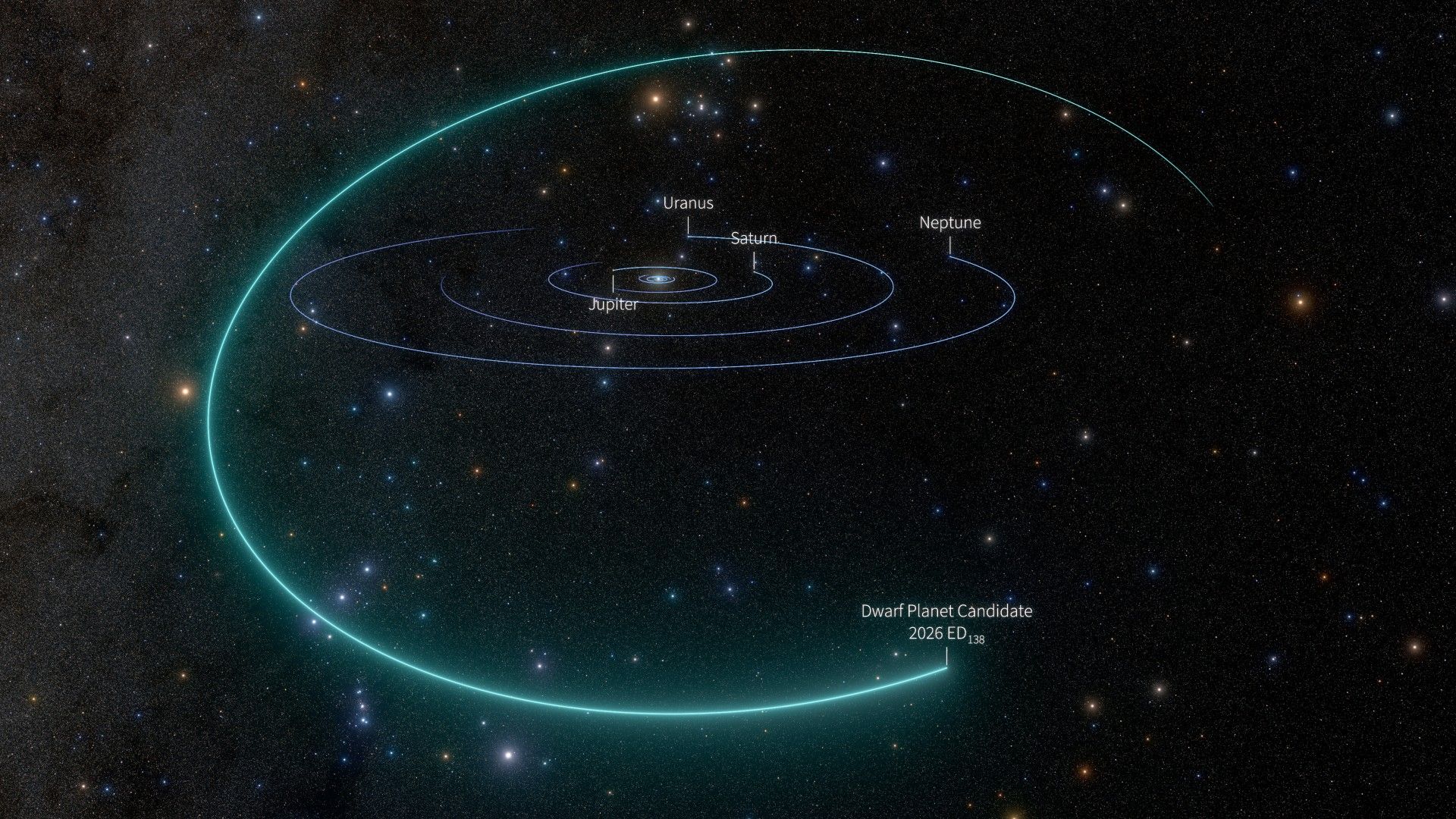
The discovery is part of a larger dataset from the Rubin Observatory, which has identified more than 1,000 outer solar system objects. This finding suggests there could be many more undiscovered dwarf planets lurking in the Kuiper Belt and scattered disk regions.
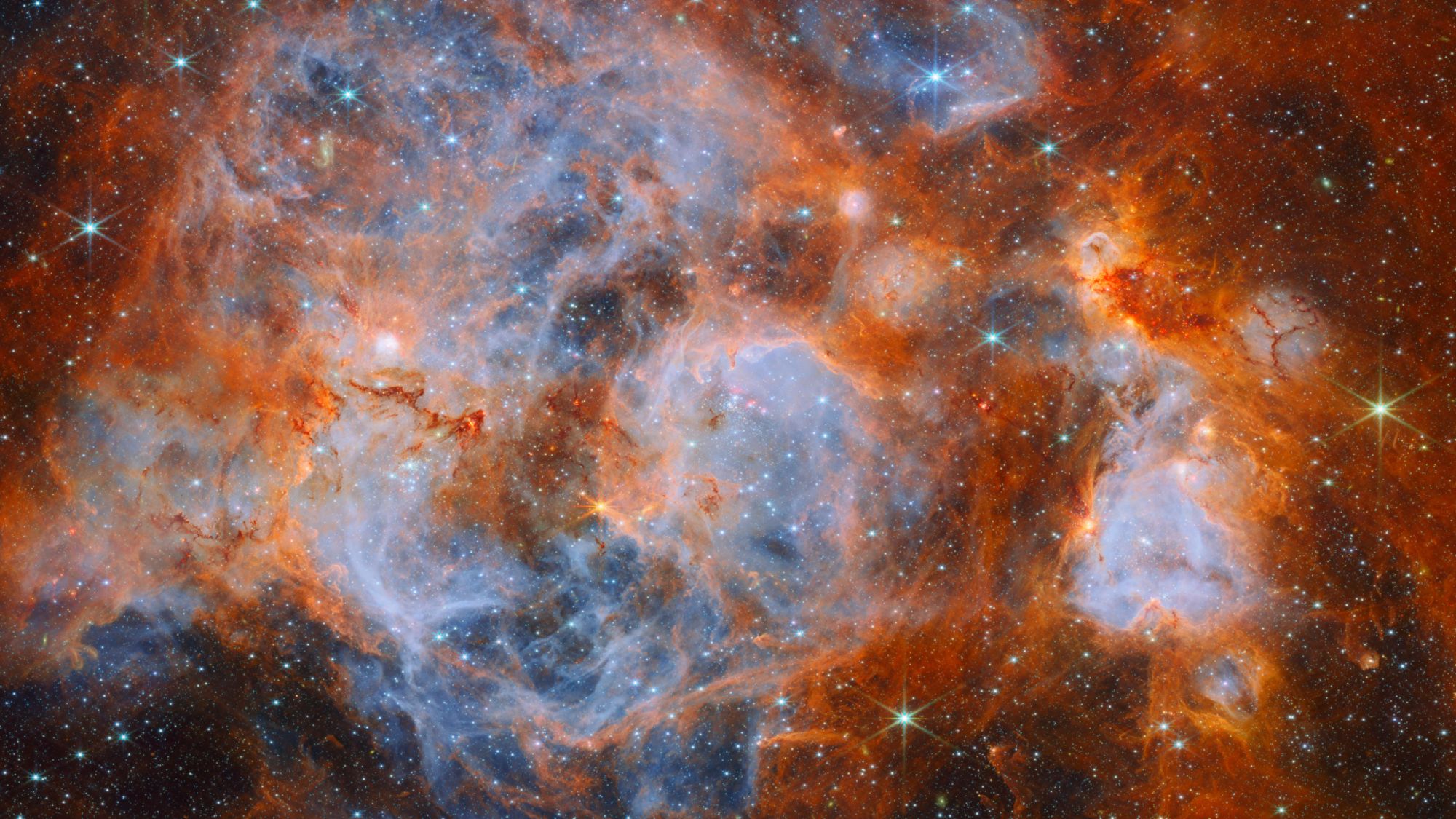
In other cosmic news, the James Webb Space Telescope captured a spectacular star-forming region glowing 161,000 light-years from Earth in a satellite galaxy of the Milky Way, described as a "glowing cauldron" of new stars.
Additionally, Hubble Space Telescope astronomers made a surprising discovery challenging current explanations for how the early universe emerged from a dense fog of hydrogen roughly 13 billion years ago.
Gear & Tips
For those planning to observe the November sky, the Phantom Galaxy (M74) was visible after dark on October 31, showing off its bright nucleus and fainter asymmetrical arms, though it remains a challenge for most observers.

With the summer Milky Way still prominently streaking across the sky from northeast to southwest, Scorpius with the bright star Antares is getting low in the southwest, while the "teapot" of Sagittarius remains visible in the south-southwest.
For the best viewing experience, plan observations around the moon phases. The Full Moon crossing the Pleiades will be best viewed when the moon is not overwhelming the sky, so consider observing during the first few days of the month before the Full Moon reaches its peak brightness.
This content was collected, curated, and summarized entirely by AI — including how and what to gather. It may contain inaccuracies. Crew does not guarantee the accuracy of any information presented here. Always verify facts on your own before acting on them. Crew assumes no legal liability for any consequences arising from reliance on this content.
Powered by
