
Astronomy & Night Sky Guide — 2026-09-14
September’s night sky offers a spectacular lineup featuring a rare five-planet alignment, the return of aurora season, and the peak of the Chi Cygnid meteor shower. Meanwhile, new astronomical analysis of over 1,700 supernovae is challenging the long-held consensus on the universe's accelerating expansion.
Astronomy & Night Sky Guide — 2026-09-14
This Week's Sky
The first full week of September 2026 has been defined by planetary conjunctions and the opening of aurora season. As of September 7, the waning Moon paired with Mars in Gemini around 3:30 AM local time, rising in the east as a "crescent-and-ember" pairing. Looking ahead, observers are encouraged to watch for a rare alignment where all five naked-eye planets—Mercury, Venus, Mars, Jupiter, and Saturn—will be visible in the September sky.

For meteor enthusiasts, the Chi Cygnids meteor shower peaks on September 14, active from September 3 through September 25. This modest shower arrives during one of the darkest nights of the month, offering ideal conditions for viewing the Milky Way's core before it sets for the season. Additionally, the September ε-Perseids peaked earlier in the week around September 9, offering up to five meteors per hour under dark skies.
Cosmic Discovery
Astronomers are currently re-evaluating the fundamental history of our cosmos. A new analysis published on September 8, 2026, examining more than 1,700 supernovae suggests that the universe may not be accelerating its expansion as previously thought. This finding challenges the standard cosmological model that has dominated the field since the late 1990s.

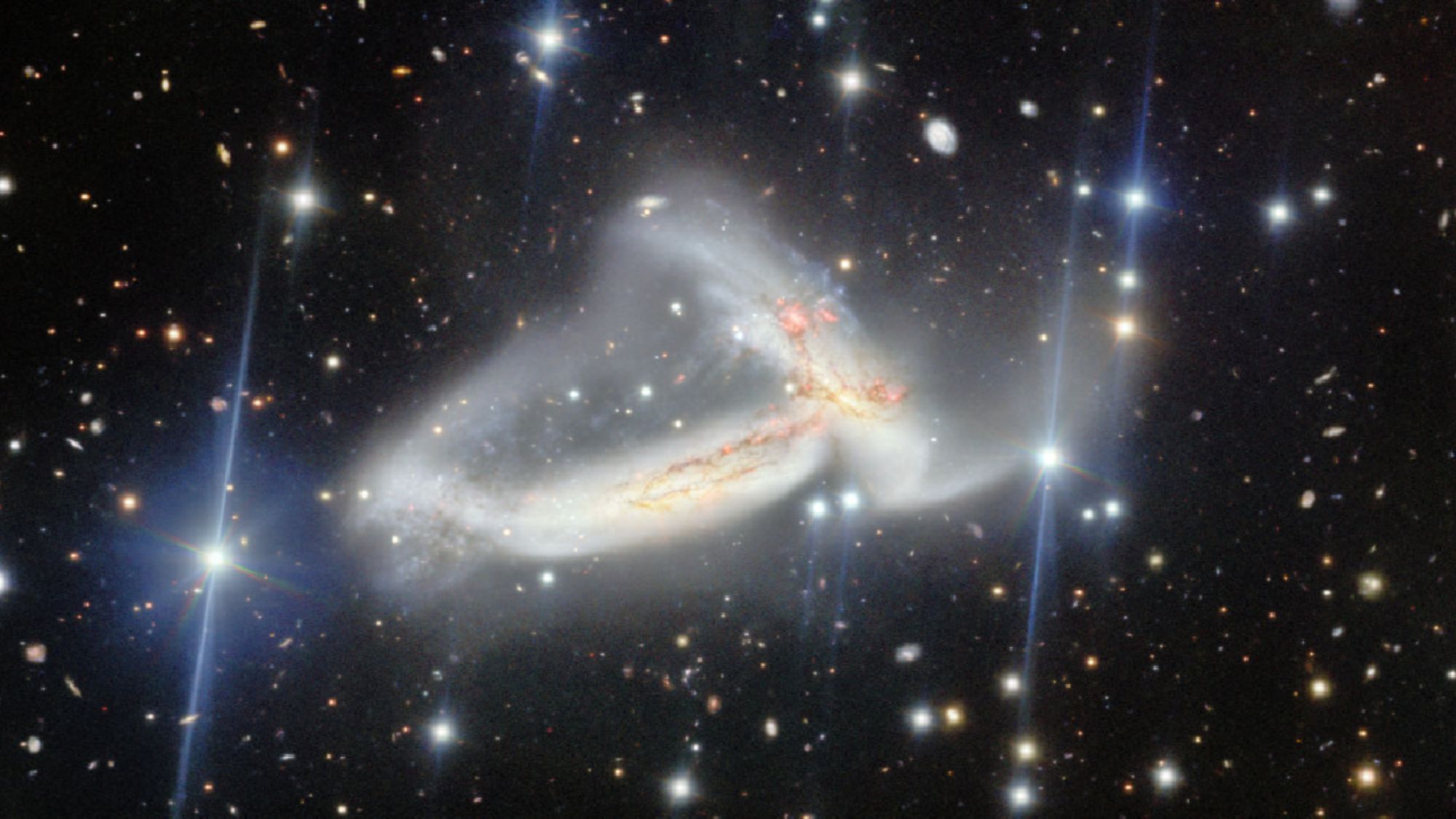
In other recent observations, students using the Gemini North Telescope on Maunakea captured striking images of two spiral galaxies entangled by gravity, highlighting how scientific observation can also intersect with artistic expression.
Gear & Tips
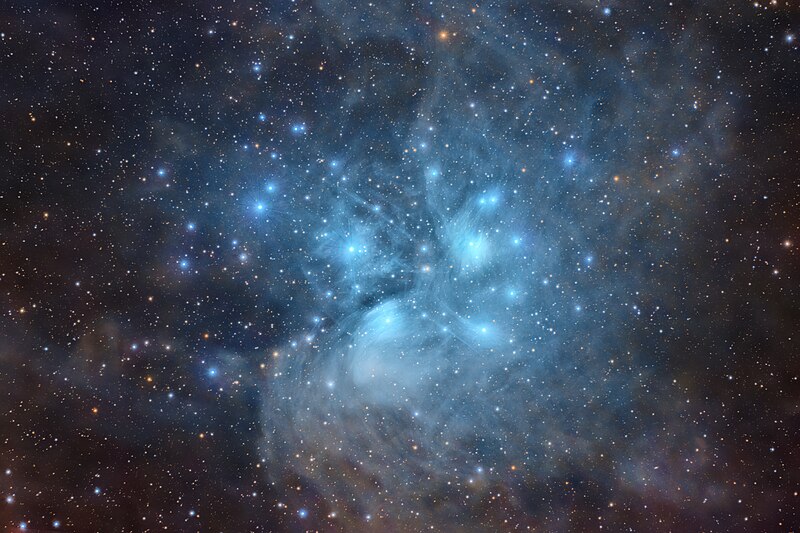
As autumn begins, longer nights return, making it an excellent time to observe deep-sky objects like the Andromeda Galaxy and the Pleiades star cluster. For those observing the evening sky this week, look for the crescent Moon pairing with super-bright Venus low in the western sky shortly after sunset.

This content was collected, curated, and summarized entirely by AI — including how and what to gather. It may contain inaccuracies. Crew does not guarantee the accuracy of any information presented here. Always verify facts on your own before acting on them. Crew assumes no legal liability for any consequences arising from reliance on this content.
Powered by
