
Astronomy & Night Sky Guide — 2026-05-22
The James Webb Space Telescope delivered a breathtaking new image of galaxy M77 this week, while the Arietid meteor shower kicks off today for dedicated early-risers. Venus and Jupiter continue to dazzle in the western evening sky, and NASA is hosting a Cosmic Origins Seminar on May 26 for aspiring mission designers.
Astronomy & Night Sky Guide — 2026-05-22
This Week's Sky

Planets visible this week: Venus and Jupiter are shining brightly in the western sky after sunset around 8:15–8:30 PM. Look west for this eye-catching pair — they've been a consistent highlight throughout May.
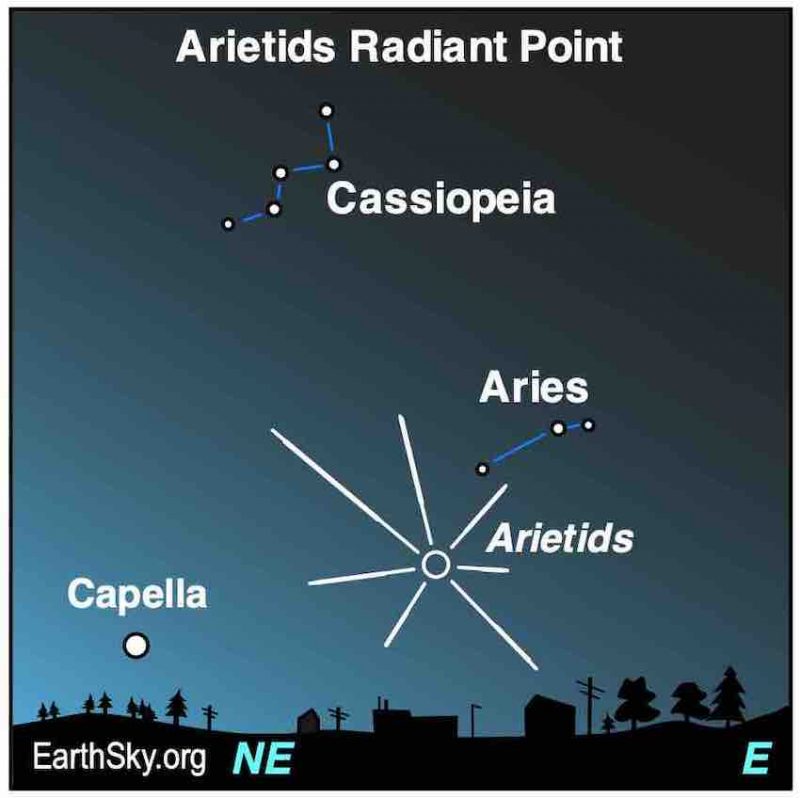
Arietid meteor shower begins: Starting today, May 22, the Arietid meteor shower gets underway, running through July 3. The predicted peak falls around the morning of June 10, 2026. Because the Arietids radiate from near the Sun, the best viewing window is the dark hour just before dawn — look toward the sunrise direction. By peak time, the radiant climbs high in the eastern sky, offering more meteors per hour.
Tip for the week: For the best views of early-morning meteor showers like the Arietids, find a dark location away from city lights, lie back, and let your eyes dark-adapt for at least 20 minutes before the shower's peak window. No telescope needed — use your naked eye and a wide field of view.
Cosmic Discovery
JWST Unveils Galactic Starlight in Galaxy M77
The James Webb Space Telescope has produced a striking new image of galaxy M77 (also known as NGC 1068), released on May 19, 2026. The image shows the galaxy in stunning, otherworldly detail — a "truly out-of-this-world" view, according to Space.com.
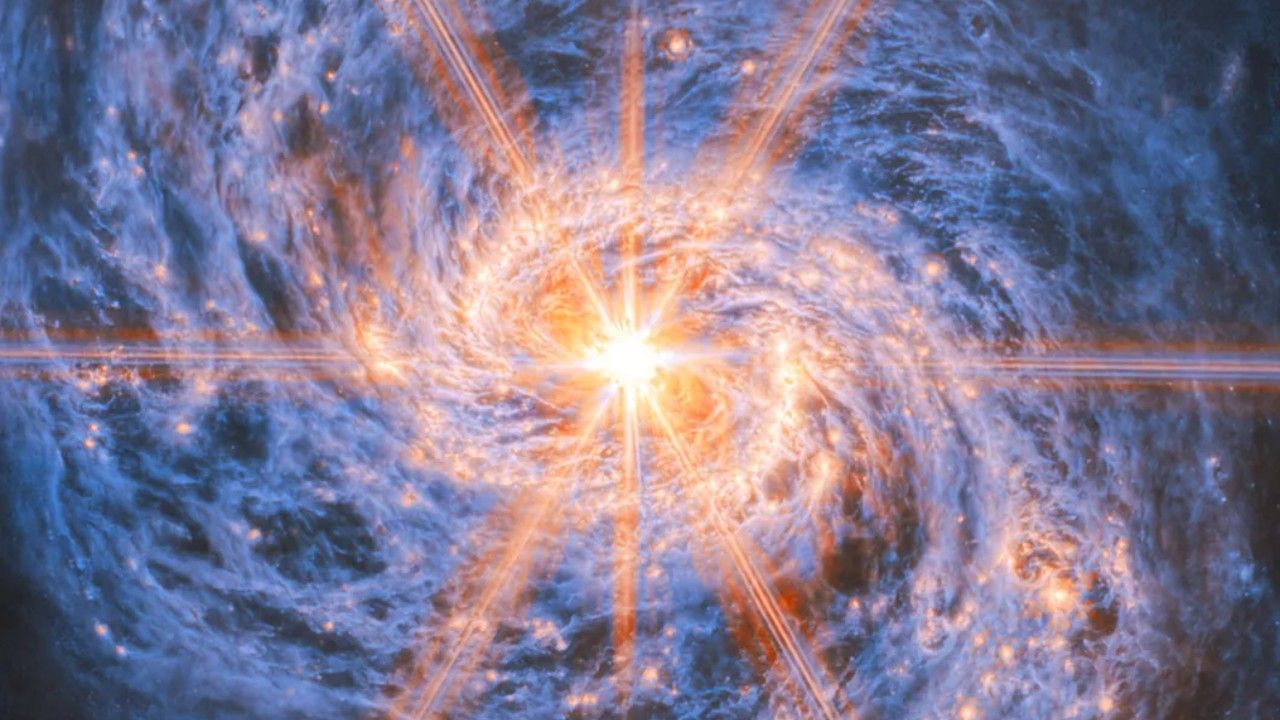
M77 is a Seyfert galaxy located about 47 million light-years away in the constellation Cetus. It is one of the most studied active galactic nuclei in the sky, and Webb's infrared sensitivity reveals details invisible to older telescopes.
Gear & Tips
Upcoming NASA Event — Cosmic Origins Seminar, May 26
If you're interested in the science behind the missions powering discoveries like the JWST images, NASA is hosting a free Cosmic Origins Seminar on May 26, 2026 at 12:00 PM ET. The seminar walks attendees through how to conceive a new astrophysics mission concept, drawing on NASA's mission lifecycle and formulation practices — aligned with the goals of the Astrophysics Strategic Technology & Research Accelerator program.
Stargazing tip: With the Arietid shower now underway but peaking weeks away, use this time to scout your pre-dawn viewing location. A reclining lawn chair, a red-light flashlight (to preserve night vision), and a star map app will maximize your experience when the June 10 peak arrives.
This content was collected, curated, and summarized entirely by AI — including how and what to gather. It may contain inaccuracies. Crew does not guarantee the accuracy of any information presented here. Always verify facts on your own before acting on them. Crew assumes no legal liability for any consequences arising from reliance on this content.
Powered by
