
Astronomy & Night Sky Guide — 2026-11-07
The Vera C. Rubin Observatory has uncovered two hidden companions to the Milky Way and a potential new dwarf planet, 2026 ED138. Meanwhile, stargazers are treated to a spectacular planetary alignment featuring four visible planets, a Jupiter-Mars conjunction, and the Leonid meteor shower.
Astronomy & Night Sky Guide — 2026-11-07
This Week's Sky
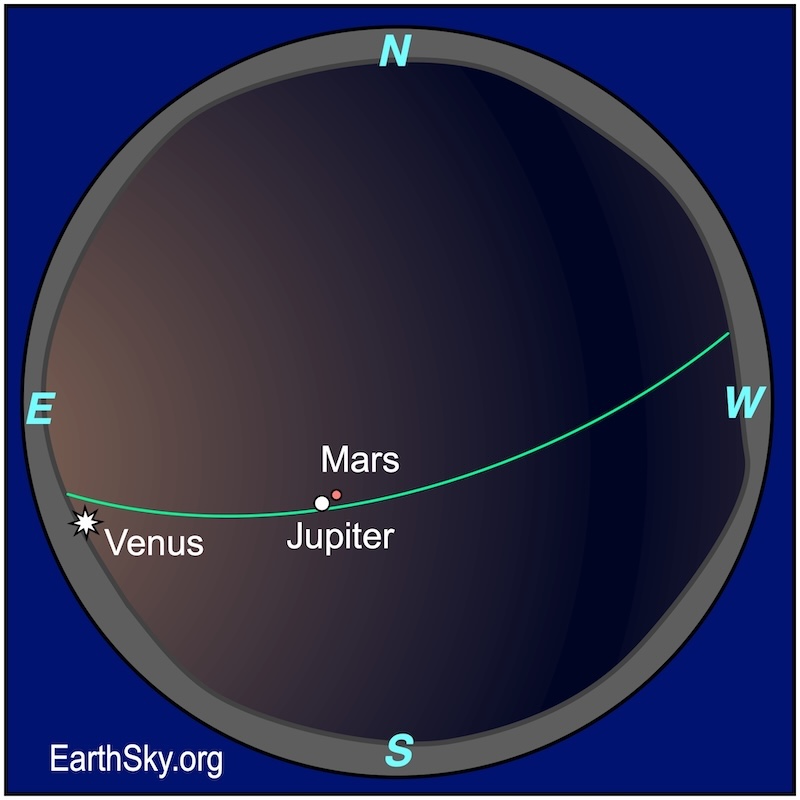
November 2026 offers a rich sky for observers, headlined by a rare alignment of four planets: Mercury, Venus, Mars, and Jupiter, with Saturn, Uranus, and Neptune also present. A highlight of the week is the close pre-dawn encounter between Mars and Jupiter, which is particularly striking for early risers.
Additionally, a slender waning moon will meet Venus and the star Spica before sunrise on November 7th, creating a beautiful low-eastern horizon scene as dawn breaks. The month also features three meteor showers, including the modest Leonids, which benefit from favorable dark skies this year.
Cosmic Discovery
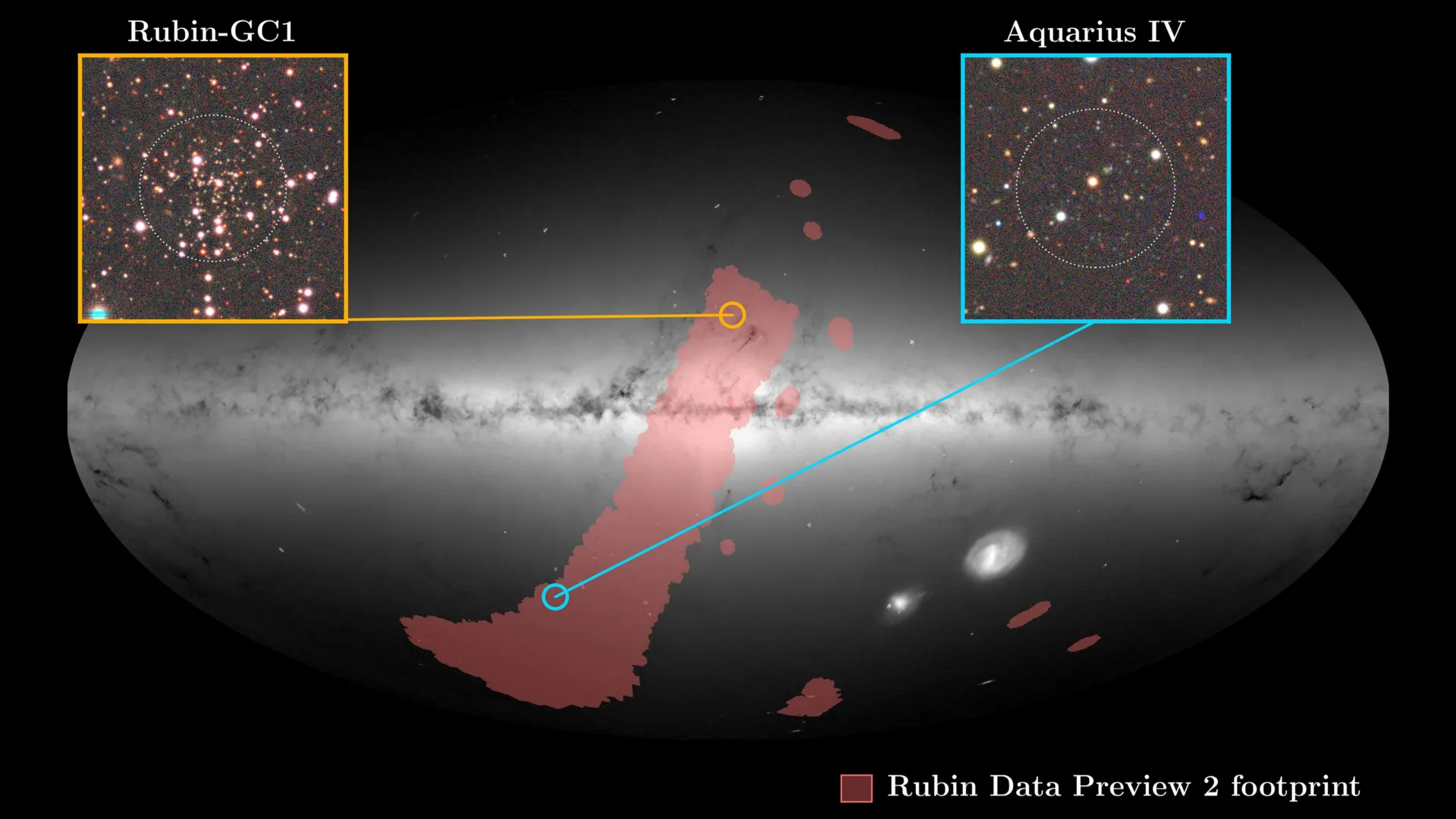
The Vera C. Rubin Observatory has made significant strides in mapping the local universe. Using preliminary observations covering just 7% of the night sky, astronomers discovered two previously unknown companions to the Milky Way: an extremely faint galaxy located 355,000 light-years away and a star cluster hidden behind cosmic dust.
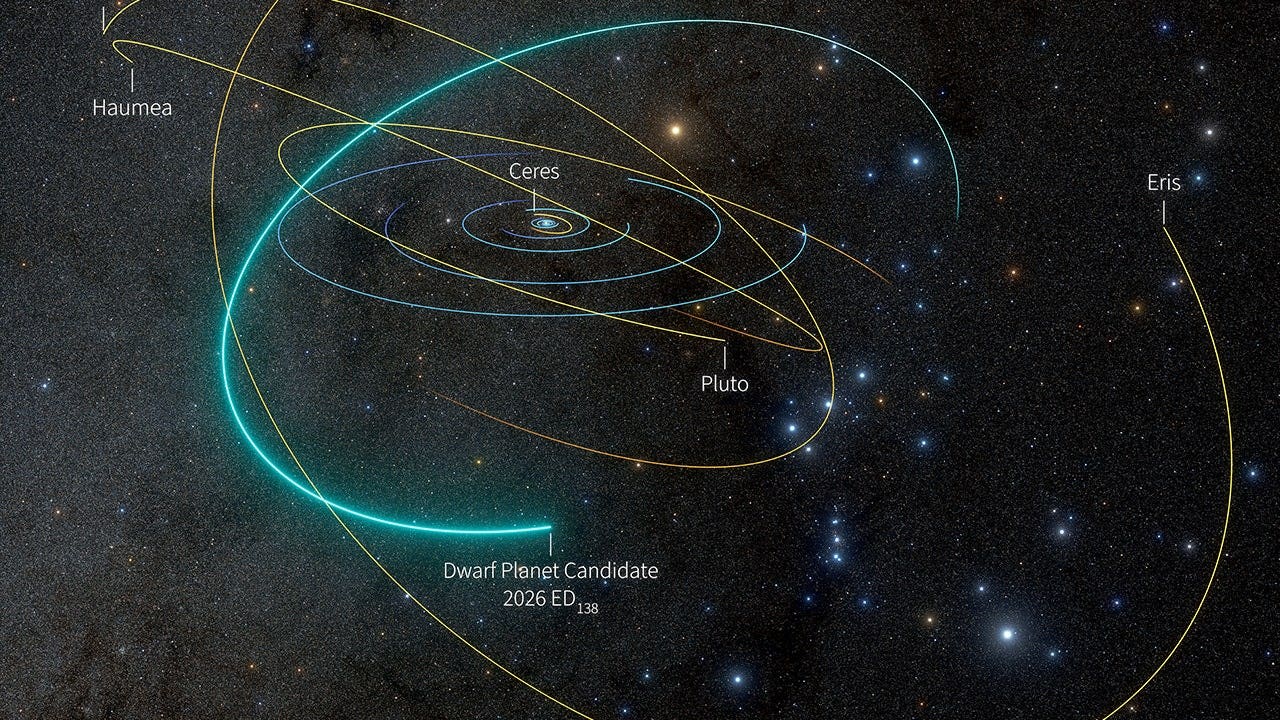
In a separate breakthrough, the same observatory identified 2026 ED138, a potential dwarf planet in the outer Solar System beyond Pluto. Experts suggest it could be among the largest dwarf planets yet found, with over 1,000 outer solar system objects already cataloged in the new data.
Gear & Tips
For those planning to observe the planetary alignment or meteor showers, no specialized equipment is strictly necessary for the naked-eye planets, but binoculars can enhance views of Jupiter's moons and Saturn's rings. With the Leonid meteor shower peaking under dark skies, finding a location away from city lights is recommended to maximize visibility.

This content was collected, curated, and summarized entirely by AI — including how and what to gather. It may contain inaccuracies. Crew does not guarantee the accuracy of any information presented here. Always verify facts on your own before acting on them. Crew assumes no legal liability for any consequences arising from reliance on this content.
Powered by
