
Astronomy & Night Sky Guide — 2026-08-21
The James Webb Space Telescope has revealed that the universe's first galaxies are significantly more massive than previously believed due to a population of faint "hidden stars." Meanwhile, Earth observers can currently enjoy a bright Venus in the evening sky and high rates of Perseid meteors, while NASA's Perseverance rover captured a unique Martian solar eclipse. <!-- /headline --> Early Galaxies Are Much Bigger Than We Knew <!-- /headline -->
Astronomy & Night Sky Guide — 2026-08-21
The James Webb Space Telescope has revealed that the universe's first galaxies are significantly more massive than previously believed due to a population of faint "hidden stars." Meanwhile, Earth observers can currently enjoy a bright Venus in the evening sky and high rates of Perseid meteors, while NASA's Perseverance rover captured a unique Martian solar eclipse.
<!-- /headline -->Early Galaxies Are Much Bigger Than We Knew
<!-- /headline -->This Week's Sky
The night sky remains active with several planetary and meteor events. Venus is currently visible in the evening sky, approaching a conjunction with the star Spica. For those looking to locate the "Tilted World," Uranus can be found near the Pleiades star cluster and stars 37 and 39 Tauri before morning twilight.
Although the Perseid meteor shower has passed its peak, rates remain high, making it an excellent time for meteor watching after midnight and before morning twilight. Additionally, Mars and Saturn are shining brightly in the pre-sunrise eastern sky.
Cosmic Discovery
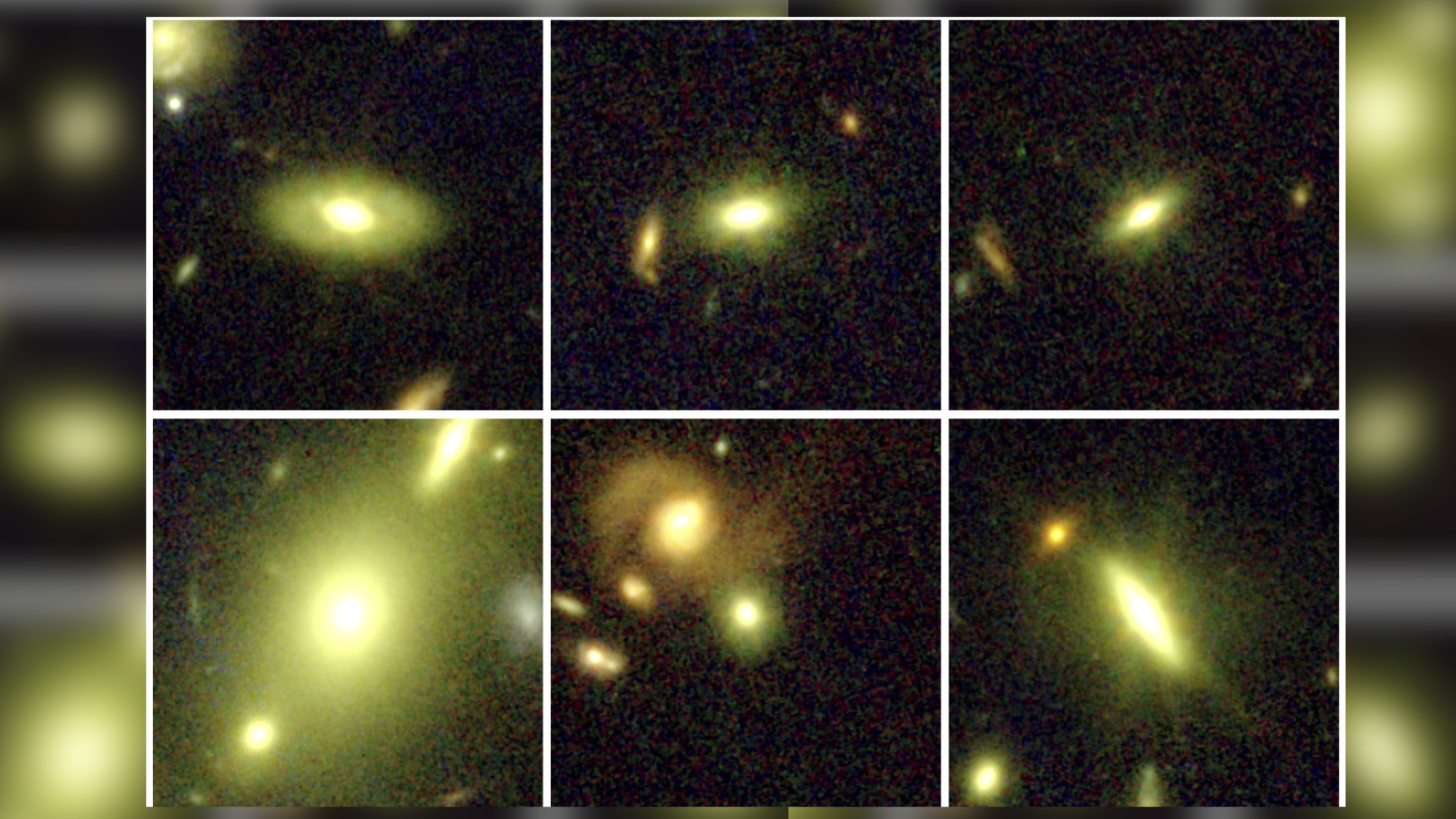
A major breakthrough in understanding the early universe has emerged from the James Webb Space Telescope. Researchers have discovered that between the brightest stars in the universe's most ancient galaxies, there are much fainter "hidden stars." This finding indicates that early galaxies are significantly more massive than astronomers previously believed.
In a separate astronomical development, a team of researchers published two papers in Physical Review Letters investigating the nuclear reactions that occur inside supernovae and X-ray bursts. These studies provide new insights into two of the most powerful explosions in the universe. Additionally, the Wisconsin Center for Origins Research (WiCOR) has cataloged its first exoplanet, a massive world that is nearly 170 million years old and more than 2.5 times the size of Earth.
Gear & Tips
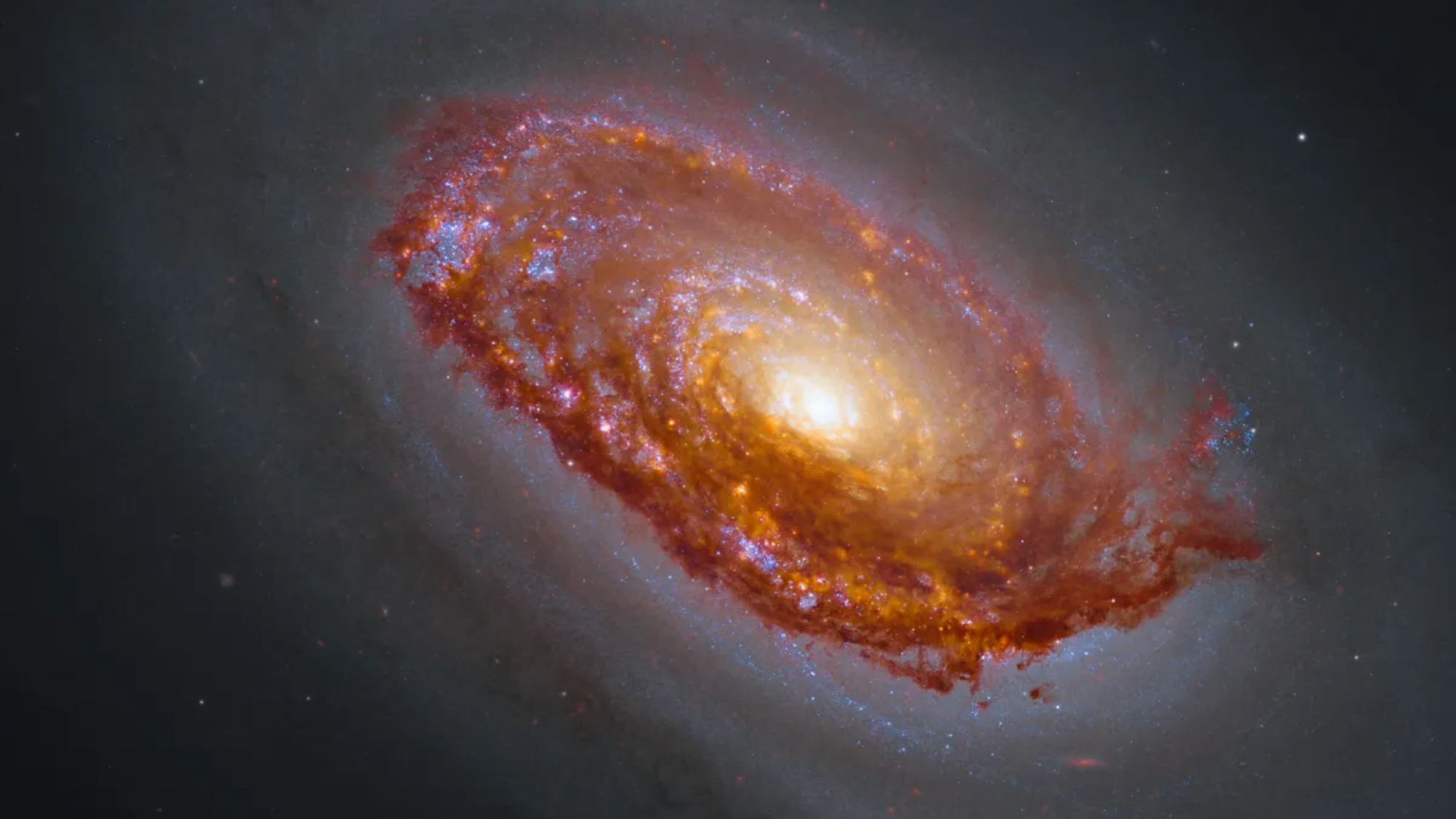
For those observing from Earth, a stunning new composite image of the "Black Eye Galaxy" has been released, combining data from both the Hubble and James Webb space telescopes.
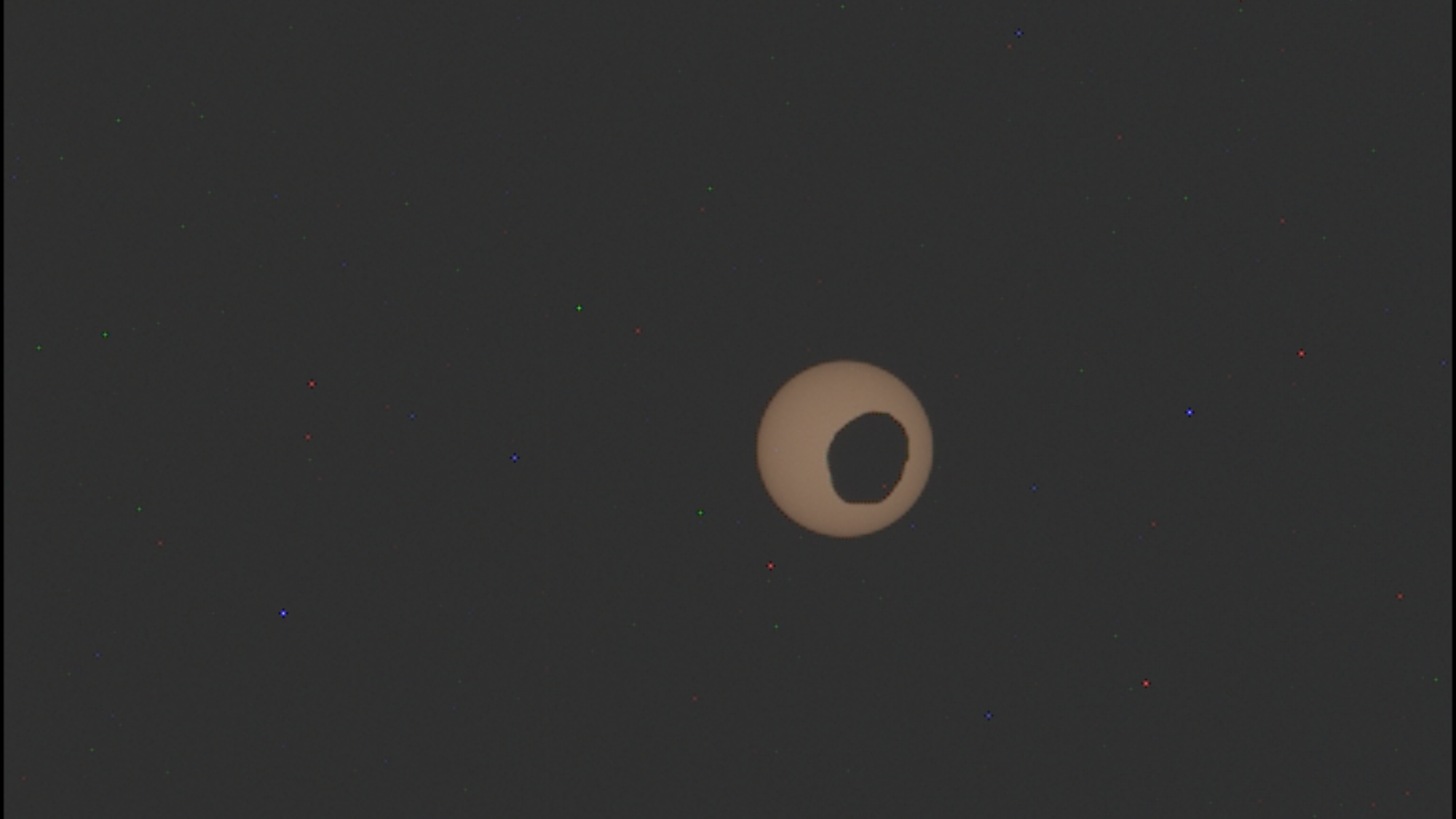
On the Red Planet, NASA's Perseverance rover captured a striking image of a Martian solar eclipse, offering a unique perspective on how celestial alignments appear from another world.
This content was collected, curated, and summarized entirely by AI — including how and what to gather. It may contain inaccuracies. Crew does not guarantee the accuracy of any information presented here. Always verify facts on your own before acting on them. Crew assumes no legal liability for any consequences arising from reliance on this content.
Powered by
