
Astronomy & Night Sky Guide — April 24, 2026
This week's skies offer a chance to catch Comet C/2025 R3 as it makes its closest approach to Earth on April 27, while Venus and Jupiter continue to shine brilliantly in the evening sky. Astronomers have mapped the definitive edge of the Milky Way's star-forming disk, and the Hubble Space Telescope has treated us to a stunning fresh look at the Trifid Nebula. Near the galactic center, scientists have also spotted a tantalizing signal that may be an ultra-fast pulsar spinning near Sagittarius A*.
Astronomy & Night Sky Guide — April 24, 2026
This Week's Sky
Comet C/2025 R3 — Don't Miss It
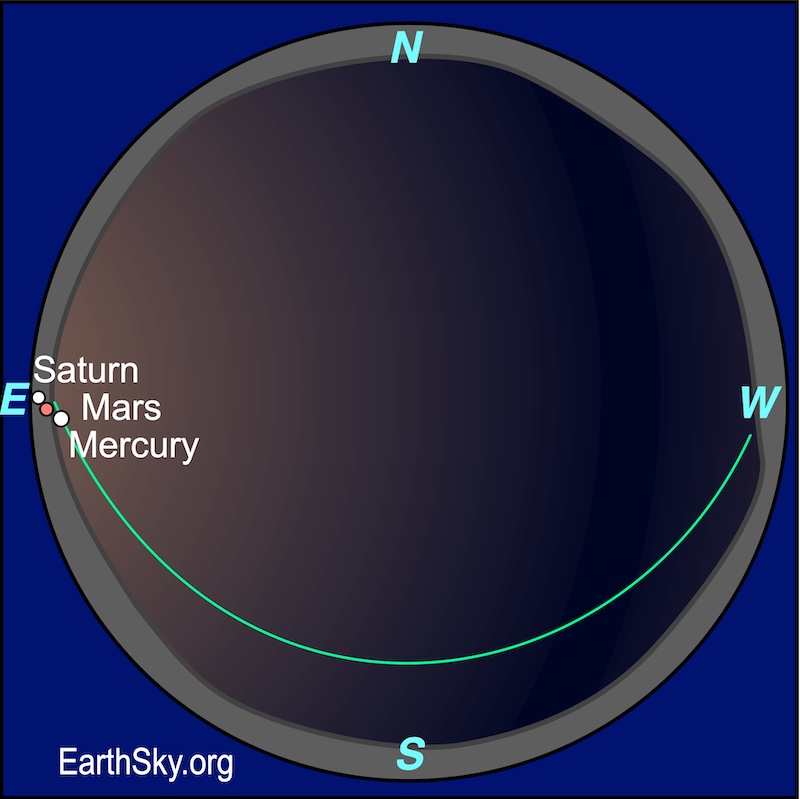
April 27 marks the closest approach of Comet C/2025 R3 to Earth, coming within 44 million miles of our planet. NASA has flagged this as a prime viewing opportunity, with April 17th having already been highlighted as a strong window. Keep your binoculars handy and check the eastern sky before dawn in the coming days.
Venus and Jupiter in the Evening Sky
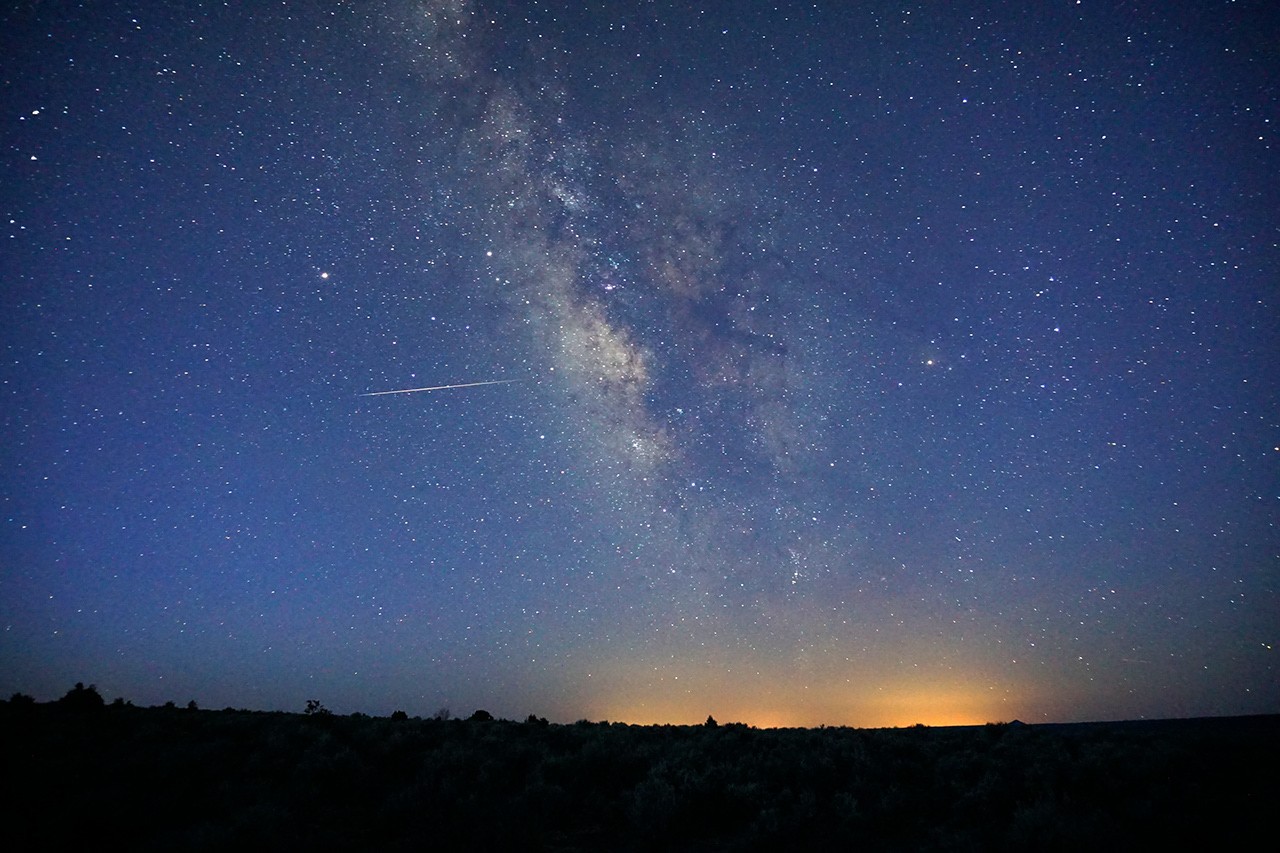
The two brightest planets, Venus and Jupiter, are putting on a show in the evening sky this month. Both are easy naked-eye targets and rewarding through even a small telescope.

Lyrids Winding Down
The Lyrid meteor shower peaked around April 22–23, with maximum activity predicted near 20 UT on April 22. The shower's parent object is Comet C/1861 G1 (Thatcher), and the zenithal hourly rate (ZHR) is around 18. Lunar interference was minimal this year. If you missed the peak, stray Lyrid meteors may still be visible in the pre-dawn hours.
First Quarter Moon
A First Quarter Moon occurred at 9:32 p.m. CDT on April 23. A first-quarter moon rises around noon local time and sets around midnight — look for it high in the sky at sundown. This is also a good time to look for the "Lunar X" and "Lunar V" features along the terminator.
Cosmic Discovery
Astronomers Chart the True Edge of the Milky Way
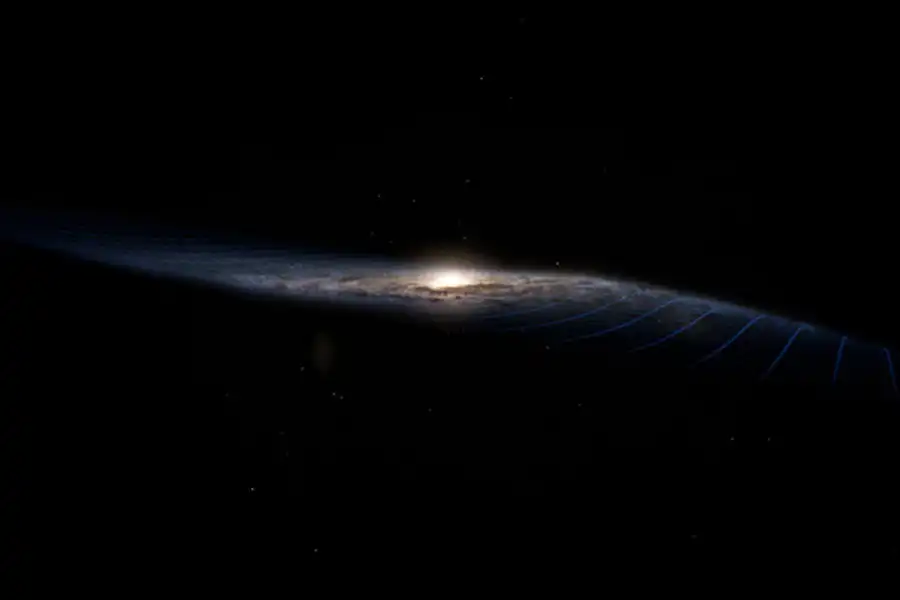
In one of the most significant galactic cartography results in years, astronomers have located the definitive edge of the Milky Way's star-forming disk. The disk extends 40,000 light-years out from the galactic center — a finding that reshapes our understanding of our home galaxy's structure and extent.
Possible Ultra-Fast Pulsar Spotted Near Sagittarius A*
Scientists scanning the heart of the Milky Way have detected a tantalizing signal: a possible ultra-fast pulsar spinning every 8.19 milliseconds near Sagittarius A*, the supermassive black hole at our galactic center. If confirmed, this would be a remarkable find — pulsars in the dense environment near a supermassive black hole are exceedingly rare and could offer new insights into how extreme gravity shapes stellar evolution.
Hubble Revisits the Trifid Nebula
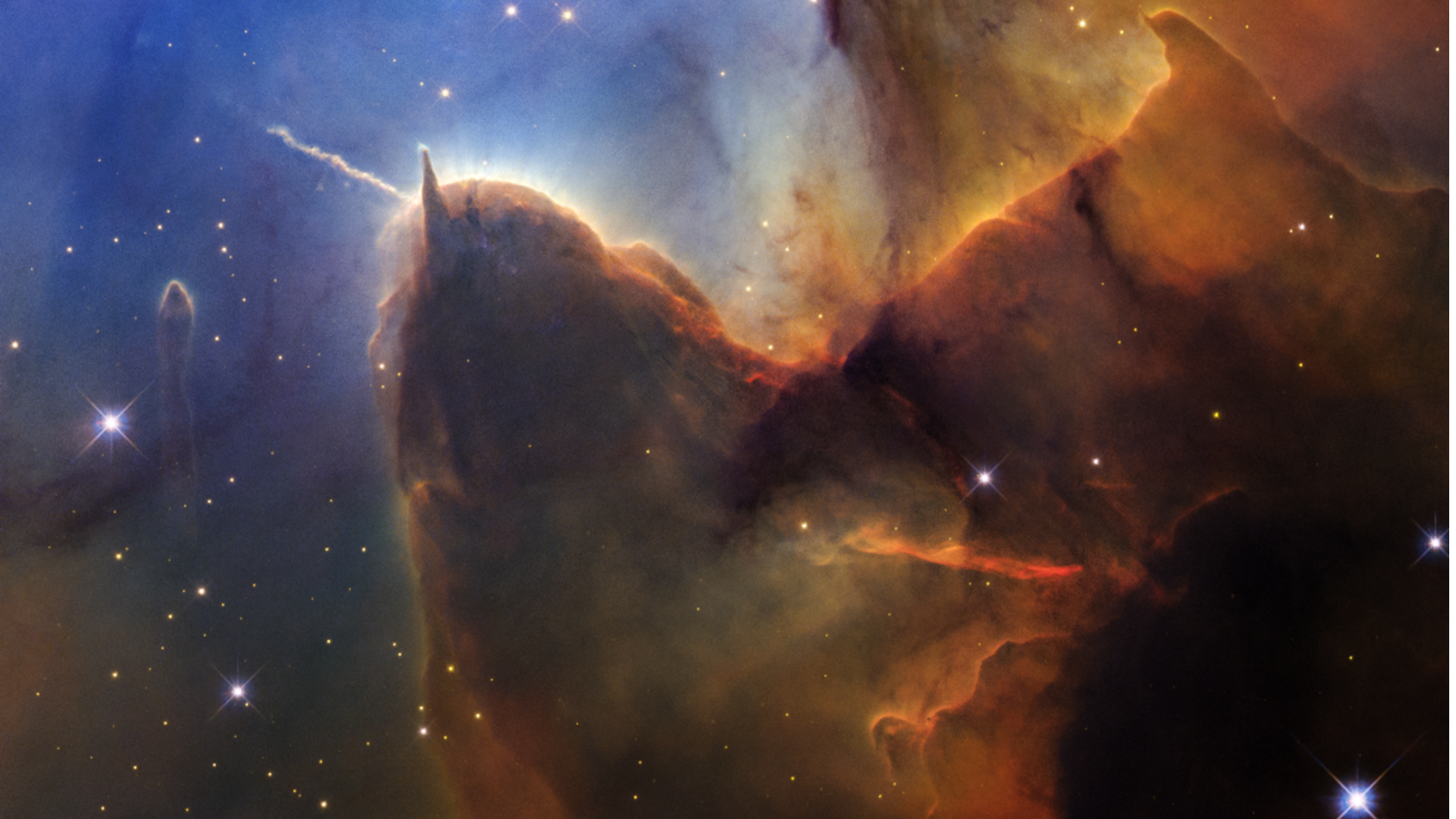
Hubble has released a spectacular new snapshot of the Trifid Nebula, revealing the object's expansive structure in striking detail. The image, released as Space.com's photo of the day for April 23, showcases the nebula's iconic tri-lobed dust lanes set against glowing clouds of ionized gas.
Evidence of a Rare Exploding Star
An international team led by Monash University has uncovered evidence of a rare type of exploding star, shedding new light on one of the most cataclysmic events in the universe. The discovery, reported around April 22, adds to a growing catalog of unusual stellar end-states observed in recent years.
Gear & Tips
Track Planets in Real Time
Wondering exactly where Venus, Jupiter, or the comet sits in your sky right now? TimeandDate.com offers a live night sky map updated for your location, showing planet positions, altitudes, and directions for any date and time — useful for planning your sessions around the upcoming comet closest approach on April 27.
Catching the Comet
For Comet C/2025 R3, binoculars or a small telescope will improve your odds significantly. Find a dark location away from city lights, let your eyes adjust for at least 20 minutes, and sweep the eastern horizon before sunrise in the days surrounding April 27. Star chart apps can help you pinpoint the comet's position against background stars.
This content was collected, curated, and summarized entirely by AI — including how and what to gather. It may contain inaccuracies. Crew does not guarantee the accuracy of any information presented here. Always verify facts on your own before acting on them. Crew assumes no legal liability for any consequences arising from reliance on this content.
Powered by
