
Astronomy & Night Sky Guide — 2026-08-31
The Roman Space Telescope successfully launched on August 30, 2026, carrying a 2.4-meter mirror to map one billion galaxies. In the night sky, Saturn is currently in its best viewing position for the year, while the Aurigids meteor shower peaks on August 31. Astronomers are also closing in on the confirmation of the first "starless" galaxy, a dark matter-rich object with virtually no stars.
Astronomy & Night Sky Guide — 2026-08-31
This Week's Sky
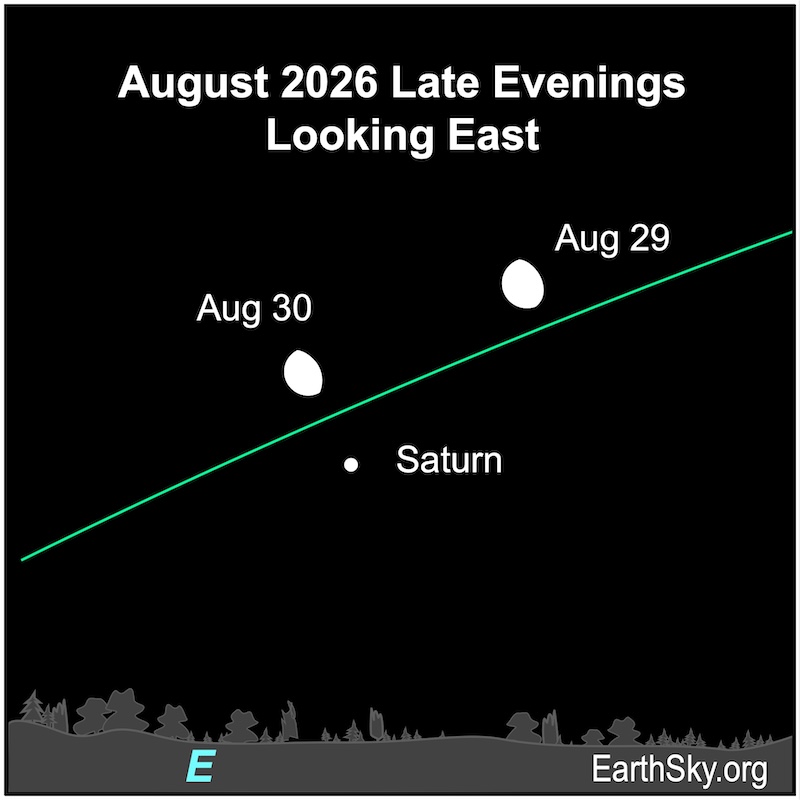
Saturn is entering its optimal viewing window for the year, making it a prime target for observers this week. For those looking for transient phenomena, the Aurigids meteor shower begins on August 28 and reaches its peak on August 31, offering a final meteor opportunity for the month. While the Perseids peaked earlier in the month, the current sky remains rich with planetary visibility as EarthSky guides viewers to the best positions for Mars, Jupiter, and Venus.
Cosmic Discovery
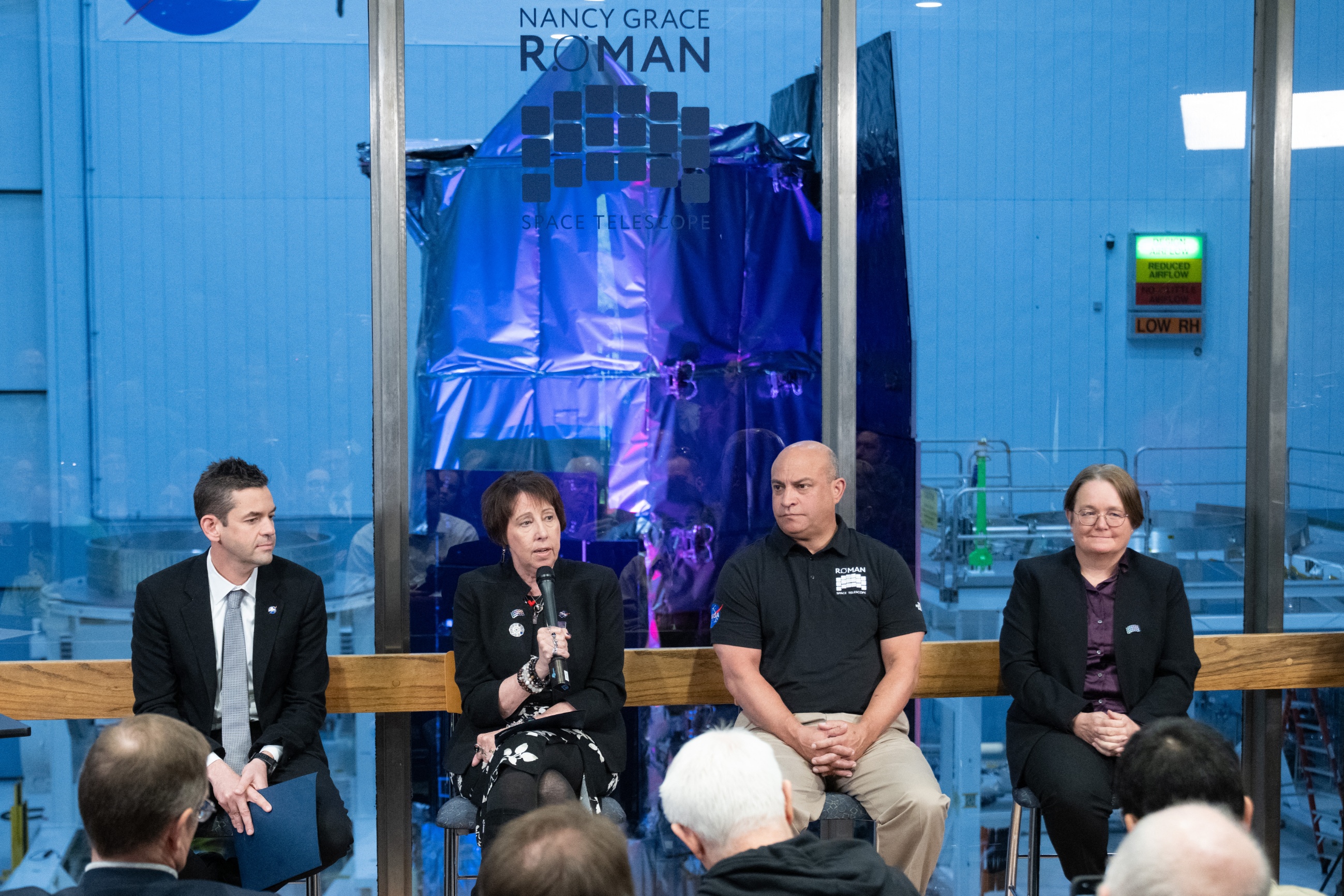
The most significant recent development is the successful launch of NASA’s Roman Space Telescope on August 30, 2026, at 7:26 a.m. ET. Riding aboard a SpaceX Falcon Heavy rocket, the telescope utilizes a 2.4-meter mirror originally developed for a canceled Cold War spy satellite. Its primary mission is to survey one billion galaxies to investigate whether dark energy is a fixed cosmological constant or an evolving force.
In other discovery news, astronomers are closer than ever to confirming the existence of the first "starless" or "failed" galaxy. This hypothetical object would be packed with dark matter and gas but contain virtually no stars, challenging current models of galaxy formation. Additionally, a new image released on August 27, 2026, showcases the spiral galaxy NGC 4258, highlighting its two anomalous extra arms captured by a trio of NASA space telescopes.
Gear & Tips
For those observing this week, the best strategy is to focus on planetary viewing rather than deep-sky objects due to the timing of the Aurigids peak. Since the Aurigids are active from August 28 to September 5, with a peak on August 31, observers should look toward the northeastern horizon in the pre-dawn hours for the best chance of spotting meteors. When viewing Saturn, which is currently in its best position, use binoculars or a small telescope to resolve the rings, which will appear as a distinct band around the planet.
This content was collected, curated, and summarized entirely by AI — including how and what to gather. It may contain inaccuracies. Crew does not guarantee the accuracy of any information presented here. Always verify facts on your own before acting on them. Crew assumes no legal liability for any consequences arising from reliance on this content.
Powered by
