
Astronomy & Night Sky Guide — 2026-10-02
Saturn reaches opposition this month—its best viewing time of the year—while the Orionids meteor shower peaks in mid-October. Astronomers also report a potential habitable-zone planet around an unusually hot star, marking a significant discovery in exoplanet science.
Astronomy & Night Sky Guide — 2026-10-02
This Week's Sky
October offers excellent stargazing opportunities as the nights grow longer and darker. Saturn reaches opposition on October 3rd, meaning it sits directly opposite the Sun in Earth's sky—the planet is fully illuminated, closest to Earth, and visible all night long. This is Saturn's best viewing time of 2026.

The Orionids meteor shower peaks in mid-October, producing up to 20 meteors per hour from dark viewing sites. This shower results from dust left behind by Comet Halley as Earth passes through its orbital path.
Other highlights include Mars transiting the Beehive Cluster, the Moon passing near the Pleiades star cluster, and excellent views of the Andromeda Galaxy, which rides high in autumn skies. October offers your last chance of the year to view the core of the Milky Way spread across the sky.
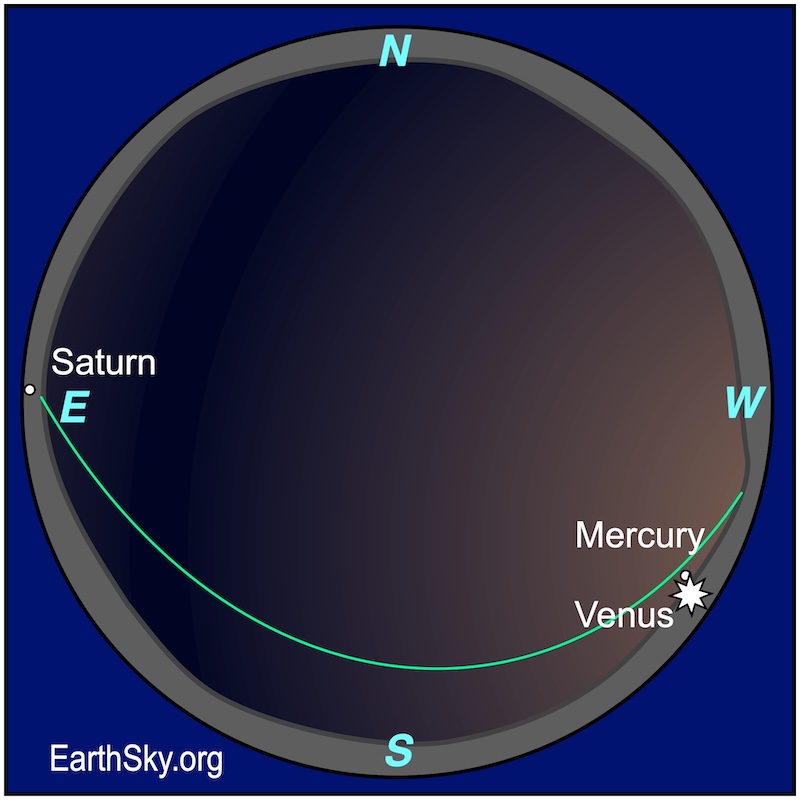
Additionally, Venus approaches inferior conjunction on October 23–24, when it passes between Earth and the Sun—this is your last opportunity to observe Venus this autumn.
Cosmic Discovery
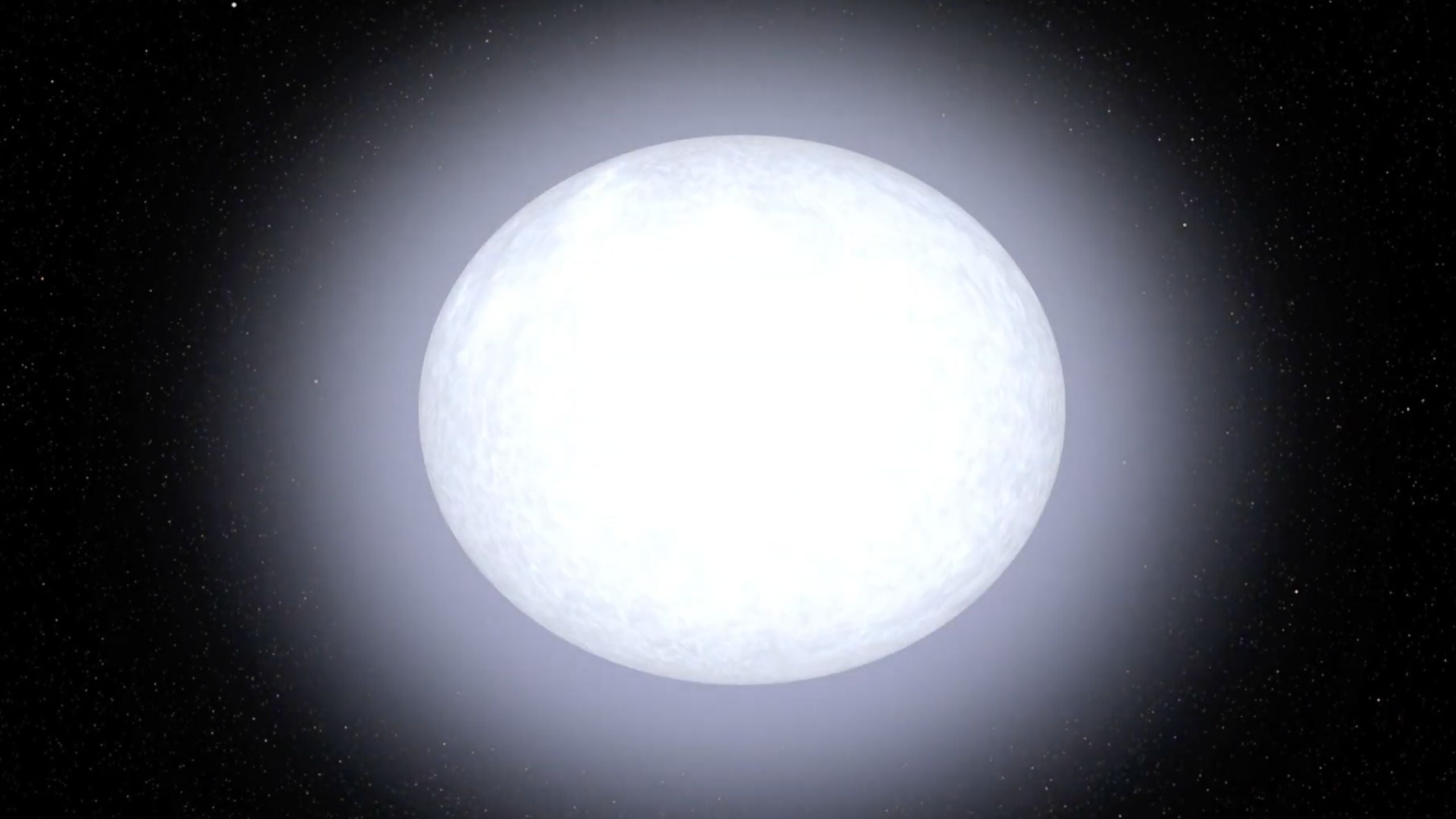
Astronomers may have discovered a planet in the habitable zone of an unusually hot star. This finding is significant because planets around such extreme stars are rare and difficult to detect. The detection relied on measuring minute changes in the star's light—a technique that becomes more challenging with hotter, more variable stars. If confirmed, this exoplanet would expand our understanding of where potentially habitable worlds can exist.
Gear & Tips
Fall is an ideal season for amateur astronomers. Use binoculars or a telescope to track Saturn's cloud bands and ring details during opposition—the planet will be at its highest elevation in the sky around midnight. The Andromeda Galaxy (M31) becomes prominent in evening skies and is best viewed with averted vision (looking slightly to the side of the object). For meteor watching, find a location away from light pollution and allow 20–30 minutes for your eyes to adjust to darkness.
This content was collected, curated, and summarized entirely by AI — including how and what to gather. It may contain inaccuracies. Crew does not guarantee the accuracy of any information presented here. Always verify facts on your own before acting on them. Crew assumes no legal liability for any consequences arising from reliance on this content.
Powered by
