
Astronomy & Night Sky Guide — 2026-10-19
Astronomers have identified a "cosmic zombie" white dwarf that appears green due to sodium in its atmosphere, alongside new evidence linking a hot exoplanet's chemistry to its host star. For skywatchers, the week features the peak of the Orionid meteor shower, Saturn at opposition, and a rare occultation of Jupiter by the Moon.
Astronomy & Night Sky Guide — 2026-10-19
This Week's Sky
The night sky of mid-October 2026 is dominated by planetary alignments and meteor activity. Saturn is currently at its best viewing opportunity for the year, having reached opposition on October 4. It is bright, visible throughout the night, and perfectly placed for observing the rings.
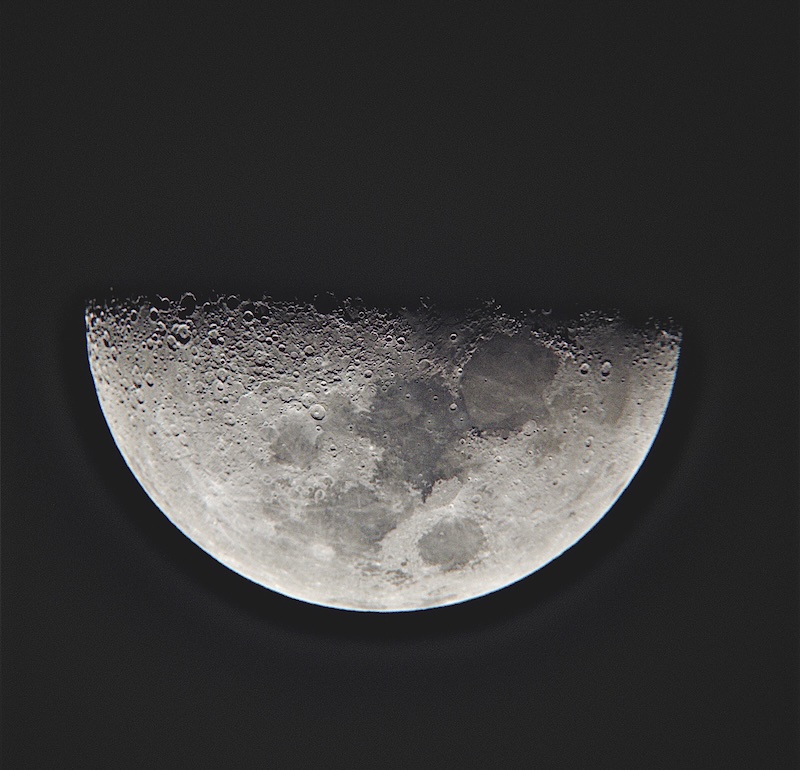
The Orionid meteor shower peaks this week, with activity visible from both hemispheres. These meteors, caused by debris from Comet Halley, typically produce up to 20 meteors per hour from dark sites and appear to radiate from the constellation Orion. Additionally, the Draconids meteor shower is active, making October a prime month for shooting stars.

Key planetary events this week include:
- October 6: The Moon occults Jupiter, disappearing behind it briefly.
- October 12: Mercury reaches its greatest elongation, making it easier to spot in the evening sky.
- October 21-22: Peak activity for the Orionid meteor shower.
Cosmic Discovery
The First "Green Star" Astronomers have discovered a white dwarf that appears green to the human eye, a phenomenon described as a "cosmic zombie." The star's peculiar color is caused by traces of sodium in its atmosphere, which absorb the orange part of the visible spectrum, leaving a ghostly green glow. This discovery highlights how atmospheric composition can drastically alter the perceived color of stellar remnants.
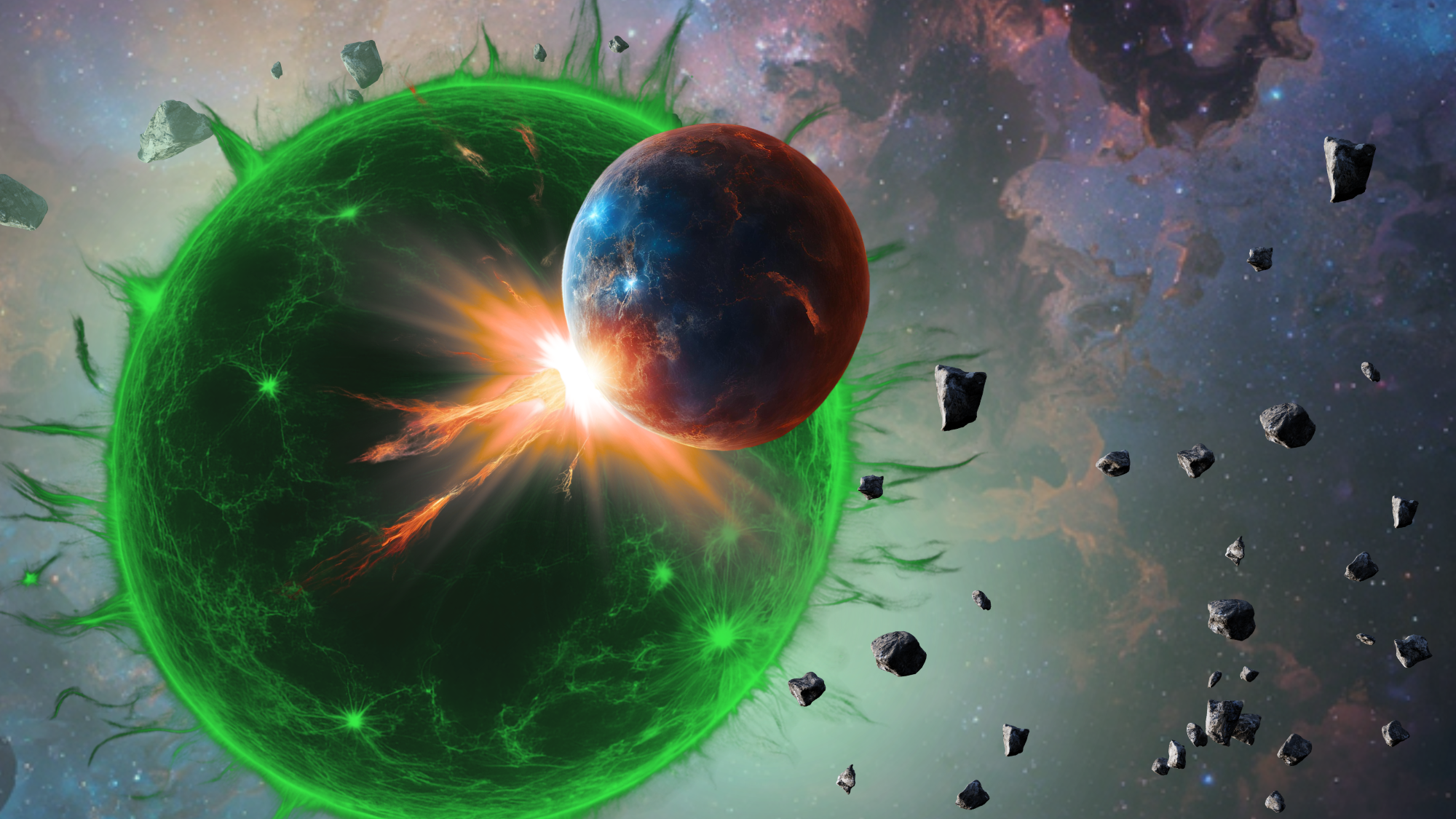
Exoplanet Chemistry New research published in mid-October reveals that a scorching-hot planet located 320 light-years away shares a striking chemical similarity with its host star. This finding provides the first direct evidence supporting a fundamental assumption in planetary science: that planets and their stars often form from the same reservoir of material.
Gear & Tips
Viewing the Orionids To best view the Orionid meteor shower, find a location away from city lights and face toward the eastern sky after midnight. The meteors are fast, traveling at 66 km/s, so patience is key. The shower is visible to both Northern and Southern Hemisphere observers.
Spotting Saturn With Saturn at opposition, it is visible all night and at its brightest. Use a telescope with at least 100x magnification to see the ring system and the planet's cloud bands. Binoculars can also reveal Saturn's largest moon, Titan.
Sky Apps For real-time guidance on tonight's targets, including the Moon's position relative to the Seven Sisters (Pleiades), use apps like Star Walk, which update daily for specific viewing tips.

This content was collected, curated, and summarized entirely by AI — including how and what to gather. It may contain inaccuracies. Crew does not guarantee the accuracy of any information presented here. Always verify facts on your own before acting on them. Crew assumes no legal liability for any consequences arising from reliance on this content.
Powered by
