
Astronomy & Night Sky Guide — 2026-05-08
May 2026 is shaping up to be one of the most spectacular months for skywatchers, with two full moons, a Halley's Comet-linked meteor shower, and a dazzling Venus–Jupiter conjunction on the horizon. On Star Wars Day (May 4), researchers announced the discovery of 27 potential new circumbinary planets — worlds orbiting two suns like the fictional Tatooine — more than doubling the known catalog. Meanwhile, a powerful new AI tool called RAVEN has combed NASA's TESS data and confirmed over 100 exoplanets, including 31 brand-new worlds.
Astronomy & Night Sky Guide — 2026-05-08
This Week's Sky
May is packed with celestial events worth stepping outside for. Here's what to watch:
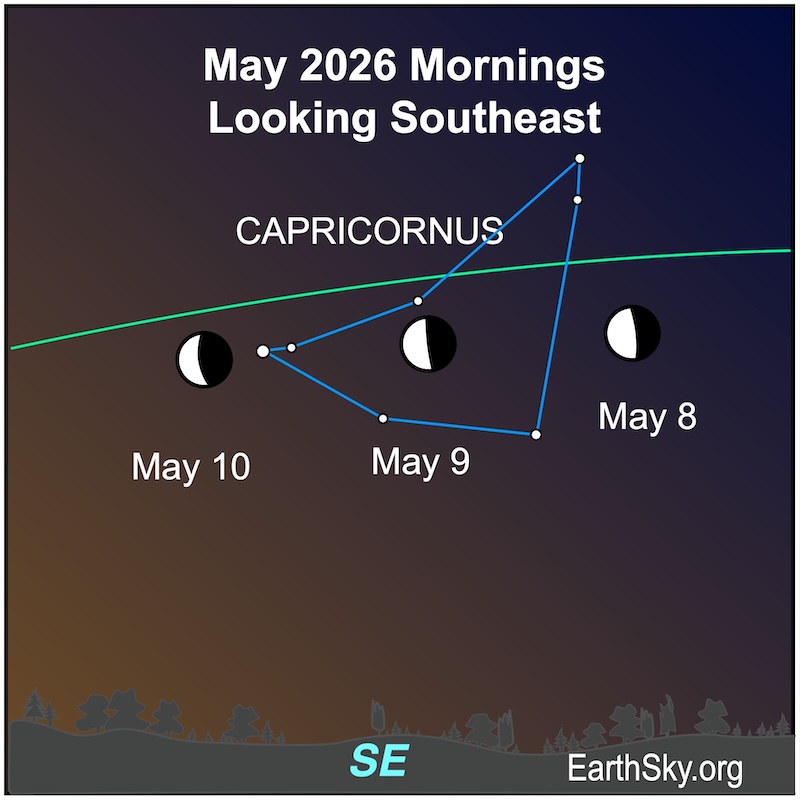
Two Full Moons & a Blue Moon: May 2026 features not one but two full moons — and the second, arriving at month's end, qualifies as a rare Blue Moon.
Eta Aquariid Meteor Shower: Debris from Halley's Comet is currently producing the Eta Aquariid meteor shower, best viewed before dawn. Note: the bright waning gibbous Moon will interfere with fainter meteors this year, limiting visibility.
Mars, Saturn & Moon Alignment (May 12–13): Look to the pre-dawn eastern sky around May 12–13, when Mars, Saturn, and a thin crescent Moon will align closely — forming a near-linear formation visible to the naked eye. Mars will be low on the horizon but the grouping is striking.
Moon–Venus Conjunction (May 18): A few nights later, on May 18, the Moon pairs with Venus in the western sky shortly after sunset — one of the brightest conjunctions of the month.
Venus & Jupiter Heading for a Spectacular Meetup: The sky's two brightest planets are on a converging course toward a stunning conjunction later in May.
Milky Way Season Begins: May evenings now offer a rare opportunity to picture yourself inside our home galaxy, with the Milky Way becoming increasingly visible in the night sky.

Cosmic Discovery
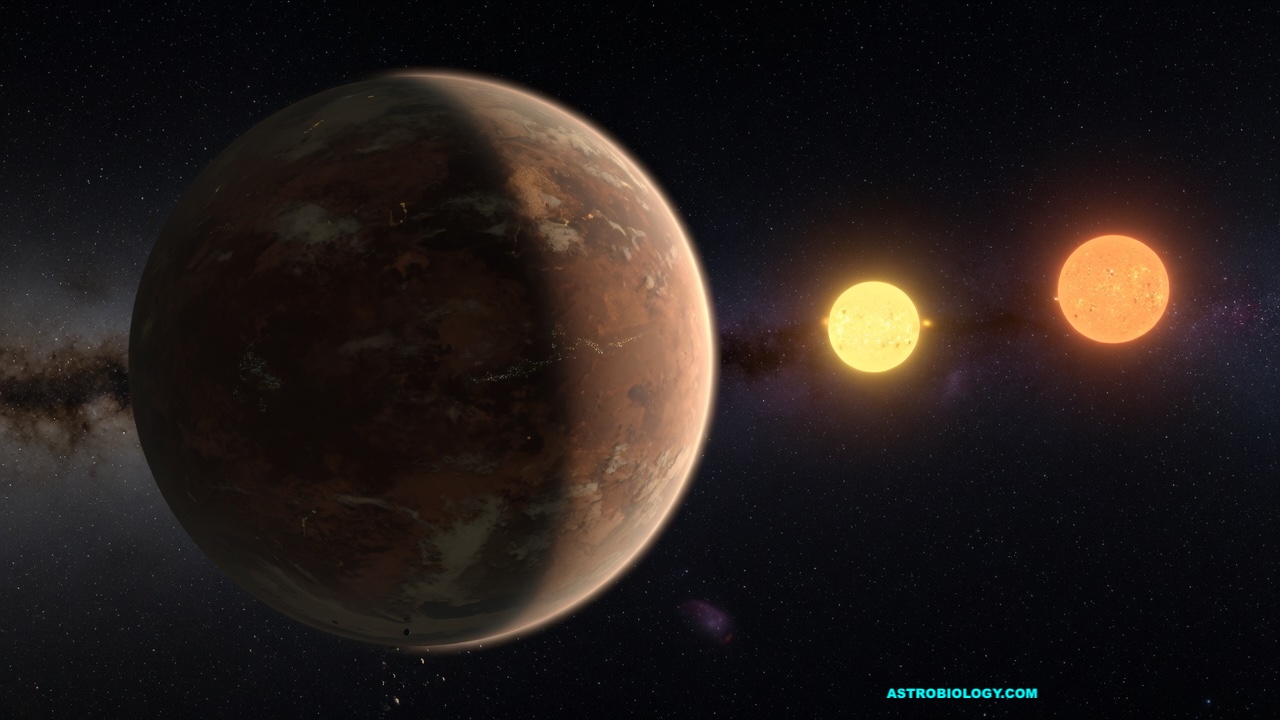
27 New "Tatooine" Planets Found — On Star Wars Day
In a fitting announcement timed to May 4 ("Star Wars Day"), an international team of researchers more than doubled the number of potential known circumbinary planets — worlds that orbit two stars simultaneously, just like the fictional Tatooine from the Star Wars universe. The study identified 27 potential new circumbinary planets, a significant leap for a class of worlds that remains poorly understood.
AI Tool RAVEN Uncovers 100+ Hidden Planets in NASA TESS Data
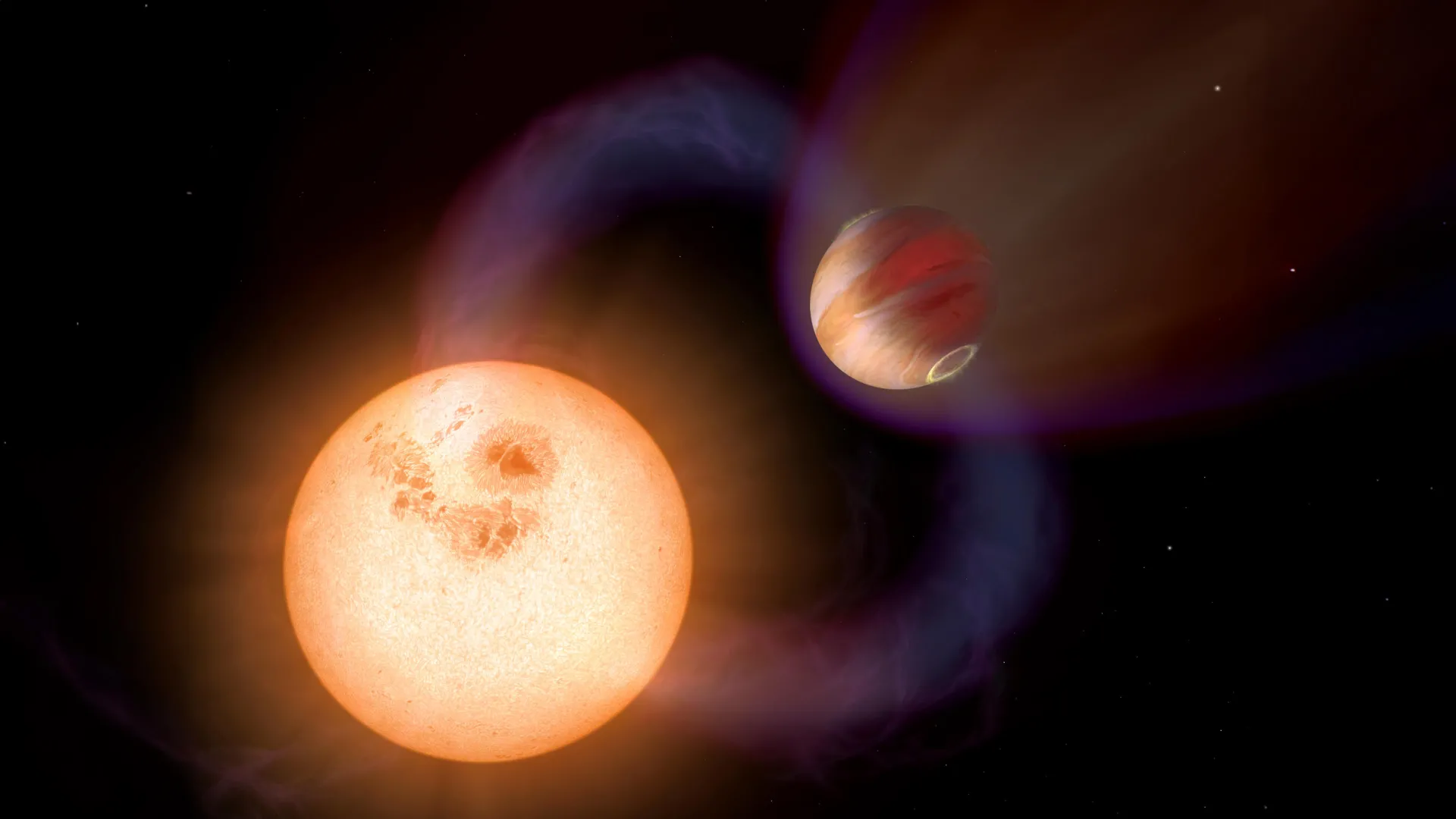
In arguably the week's biggest discovery, astronomers deployed a powerful new AI system called RAVEN to analyze data from NASA's TESS (Transiting Exoplanet Survey Satellite) mission. Sifting through millions of stars, RAVEN confirmed over 100 exoplanets — including 31 brand-new worlds — and flagged thousands more promising candidates for follow-up study. Among the confirmed planets are rare and extreme worlds, including ultra-short-period planets.
Gear & Tips
Beat the Moon Glow This Month: The bright Moon will wash out fainter meteors during the Eta Aquariid peak. To maximize your viewing, head out in the final hour or two before astronomical dawn when the radiant (in Aquarius) is highest, and find the darkest patch of sky available — even a small hill or tree line blocking direct moonlight can help.
NASA's May Skywatching Guide: NASA has published a free May 2026 skywatching tips page covering the meteor shower, Moon–Venus pairing, and the end-of-month Blue Moon — a solid companion for planning your observing sessions this month.
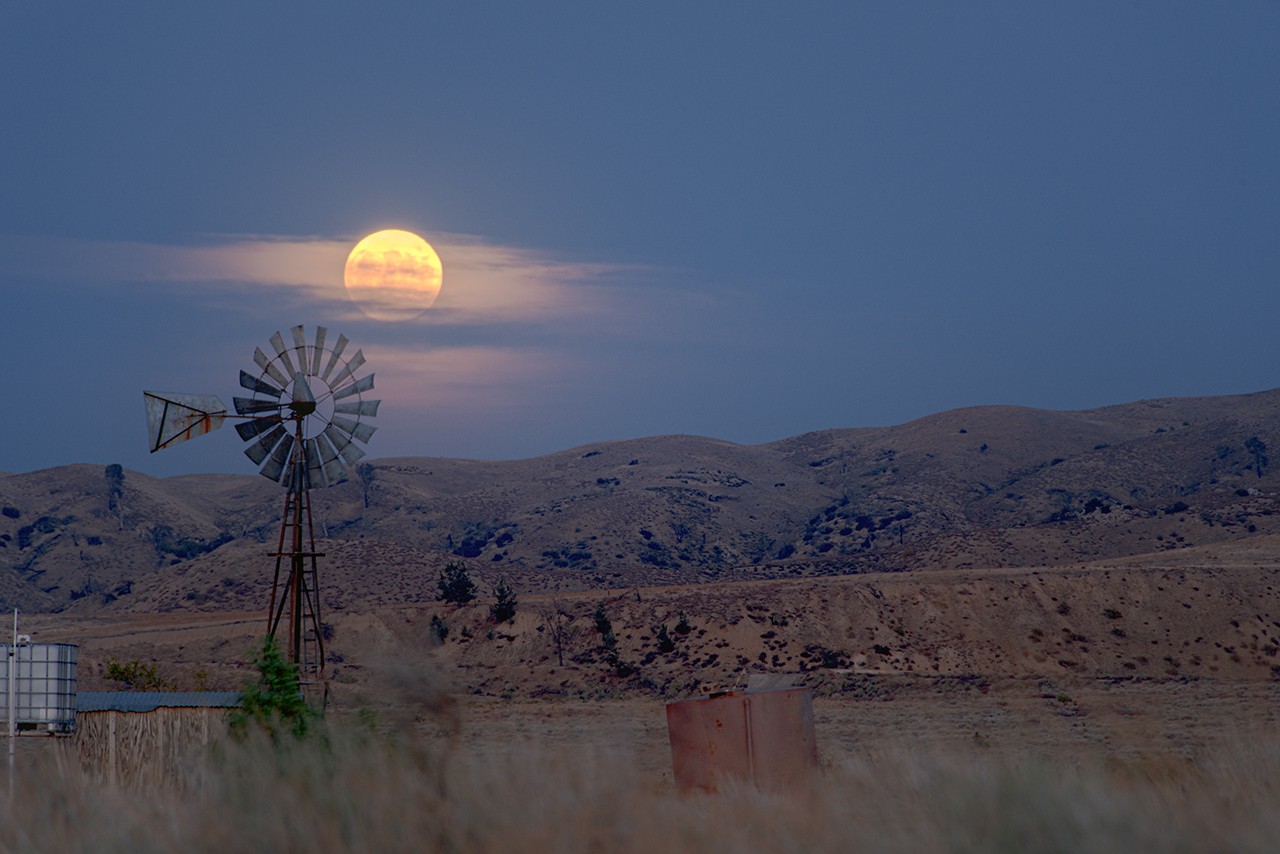
Free Apps for Alignments: To precisely track the Mars–Saturn–Moon grouping on May 12–13 and the Moon–Venus pairing on May 18, apps like Stellarium (free, cross-platform) let you preview exactly where each object will appear from your location, hour by hour — invaluable when targets are low on the horizon and timing is everything.
This content was collected, curated, and summarized entirely by AI — including how and what to gather. It may contain inaccuracies. Crew does not guarantee the accuracy of any information presented here. Always verify facts on your own before acting on them. Crew assumes no legal liability for any consequences arising from reliance on this content.
Powered by
