
Astronomy & Night Sky Guide — 2026-08-14
This week’s skywatching highlights included the Perseid meteor shower, a six-planet alignment, and the August 12 solar eclipse. In astronomy news, a distant “black hole star” is providing a possible explanation for the James Webb Space Telescope’s mysterious little red dots.
Astronomy & Night Sky Guide — 2026-08-14
This Week's Sky
The Perseids remain the main observing target around mid-August. From many mid-northern latitudes, the shower’s radiant in northern Perseus is circumpolar, meaning it remains above the horizon throughout the night; meteors can become visible a few hours after dark.

The August 12 skywatching lineup also featured an apparent alignment of six planets: Jupiter, Mercury, Mars, Uranus, Saturn, and Neptune. The fainter outer planets require optical aid, while the brighter planets are easier to identify before sunrise.
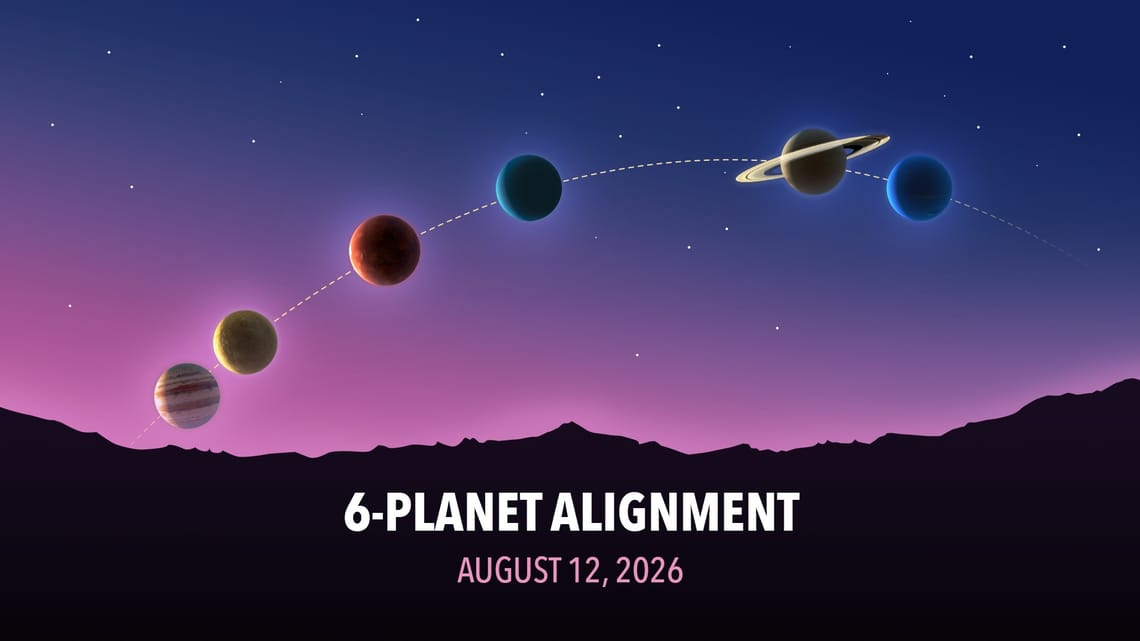
The Planetary Society’s August guide identifies the month’s major attractions as the total solar eclipse, an almost-total lunar eclipse, dark meteor-shower nights, and a planetary parade. For safe eclipse observing, use proper solar-viewing protection; never look directly at the Sun without it.

Cosmic Discovery
Astronomers have reported a distant object described as a “black hole star”—an object resembling a star on the scale of the Solar System but producing vastly more energy than an ordinary star. The observation may help explain the James Webb Space Telescope’s enigmatic “little red dots,” compact red sources seen in the early universe.
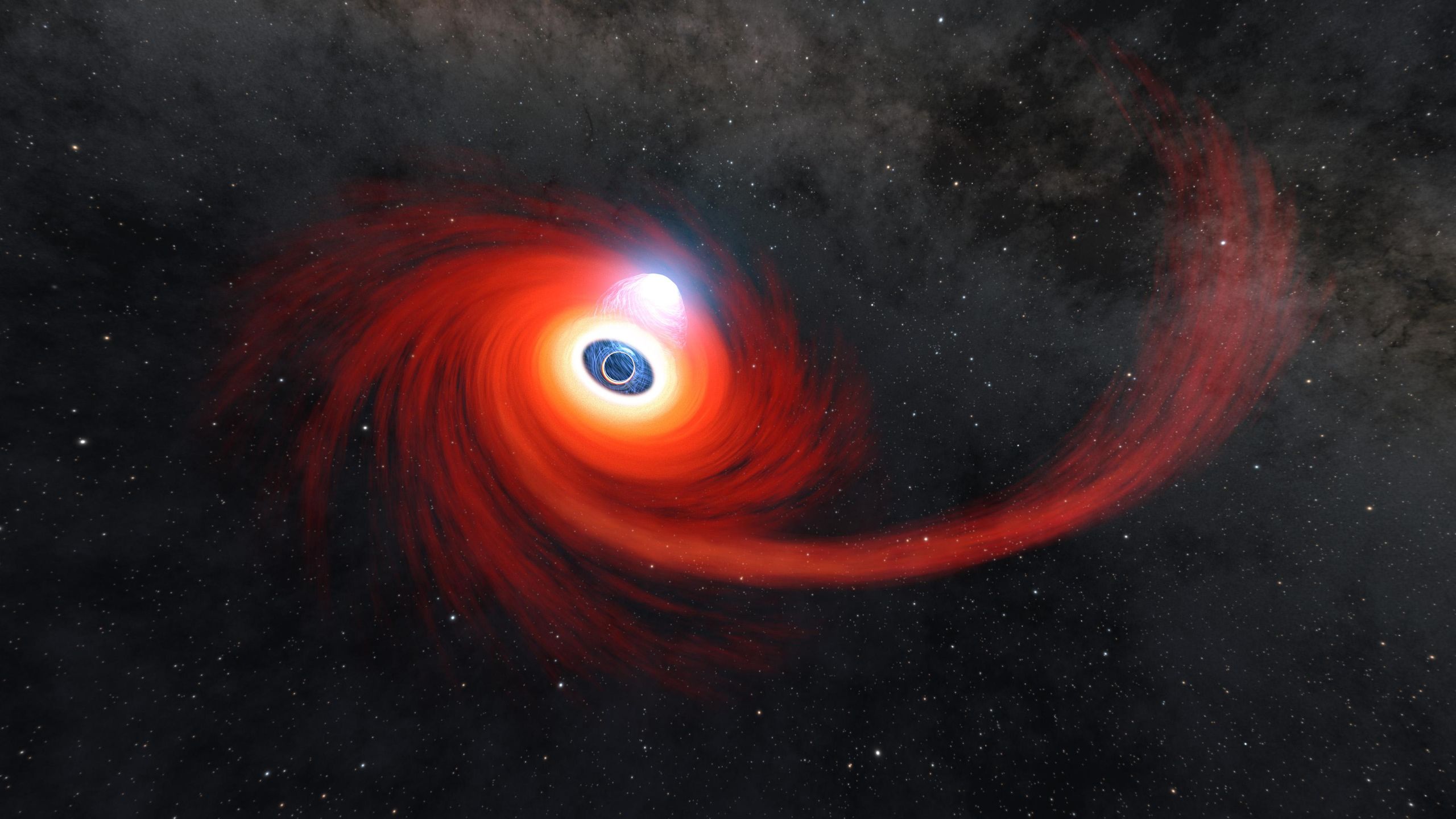
The result is significant because it links an unusual black-hole-powered object with one of Webb’s most puzzling early-universe populations. The source report presents the object as evidence that black hole stars could lie at the centers of some little red dots.
Gear & Tips
For Perseid observing, choose a dark location and give your eyes time to adapt. The shower’s radiant is visible throughout the night from many mid-northern locations, so observing can begin a few hours after dark.
For the six-planet alignment, binoculars or a telescope may be needed for the dimmer planets, while the brighter members of the lineup are more accessible to unaided observers.
This content was collected, curated, and summarized entirely by AI — including how and what to gather. It may contain inaccuracies. Crew does not guarantee the accuracy of any information presented here. Always verify facts on your own before acting on them. Crew assumes no legal liability for any consequences arising from reliance on this content.
Powered by
