
Astronomy & Night Sky Guide — 2026-09-20
This week features International Astronomy Day celebrations on September 19, offering a prime opportunity for stargazers to observe the "zodiacal night" phenomenon. Meanwhile, major skywatching highlights include the peak of the September Perseid meteor shower and optimal viewing conditions for Neptune, Mars, and Jupiter.
Astronomy & Night Sky Guide — 2026-09-20
This Week's Sky
The night sky this week is dominated by several key planetary and meteor events. September marks a transition in observing conditions, with longer nights returning some autumn favorites like the Andromeda Galaxy and the Pleiades star cluster.
Planetary Highlights:
- Neptune: At its best visibility for the year, making it an ideal time for telescope users to locate this distant ice giant.
- Morning Sky: Mars and Jupiter are dominating the pre-dawn hours, offering bright targets for early risers.
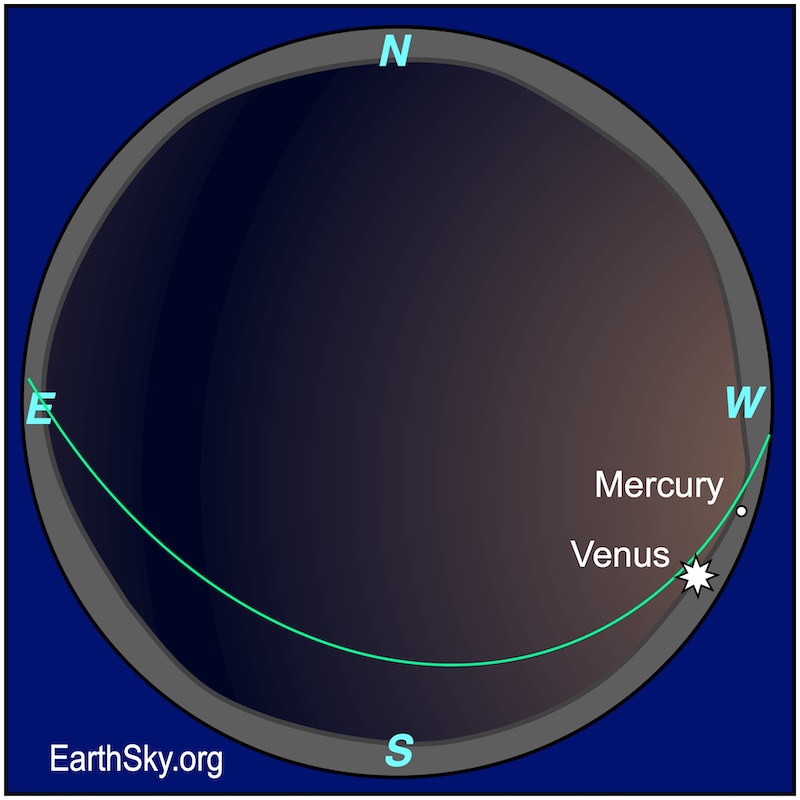
- Evening Sky: Venus continues to shine brightly after sunset, often appearing alongside Saturn and the Moon in various conjunctions throughout the month.
Meteor Showers: The September ε-Perseid meteor shower reached its peak around September 5–9, producing up to five meteors per hour. While smaller than the August Perseids, it remains a notable event for observers. Additionally, the September Lyncids peaked on September 13, and the χ-Cygnids peaked on September 14, providing multiple opportunities for meteor watching this week.
Cosmic Discovery
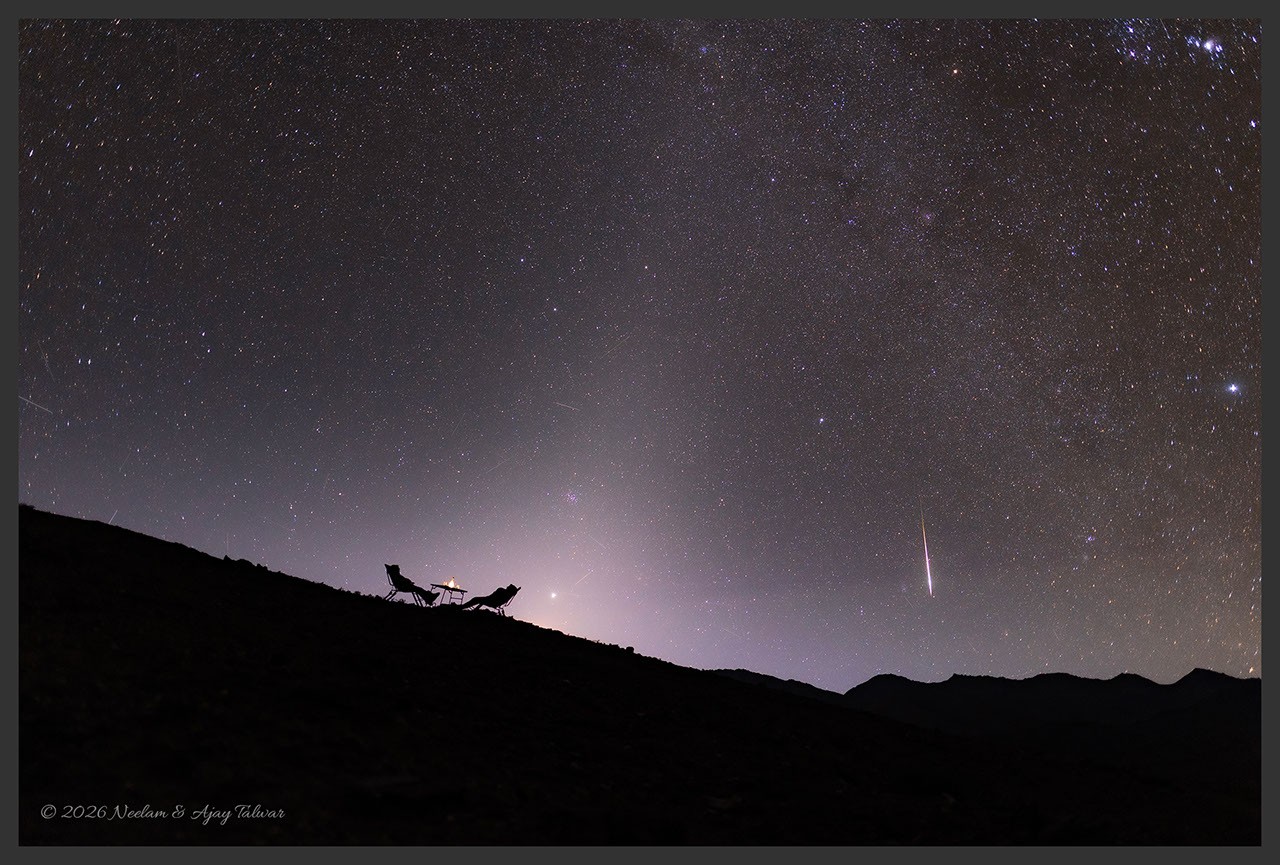
Astronomy Picture of the Day: The Zodiacal Night On September 19, 2026, NASA featured a striking image of the Zodiacal Light, a faint, triangular glow caused by sunlight reflecting off interplanetary dust particles in the solar system. This phenomenon is best observed during the weeks around the equinoxes when the sky is moonless and clear. The image highlights the "zodiacal night," capturing the subtle glow that extends from the horizon into the night sky.
Gear & Tips
Celebrate International Astronomy Day (September 19) This week marked International Astronomy Day, a global event dedicated to celebrating astronomy and encouraging public engagement with the night sky. With the Moon in a favorable phase for many observers, it was an excellent time to look for lunar details or join local star parties.
Viewing Advice for Autumn Stargazing As nights lengthen, prioritize dark-sky locations away from city lights to maximize visibility of faint objects like the Andromeda Galaxy and the Pleiades. Using binoculars can help spot the Pleiades more easily, while a small telescope may reveal Neptune’s disk if you know its exact coordinates.
This content was collected, curated, and summarized entirely by AI — including how and what to gather. It may contain inaccuracies. Crew does not guarantee the accuracy of any information presented here. Always verify facts on your own before acting on them. Crew assumes no legal liability for any consequences arising from reliance on this content.
Powered by
