
Australia Tech Pulse — 2026-06-26
Airwallex's massive funding round dominates the week, as Australian deep-tech companies struggle to access capital amid global AI investment concentration. Meanwhile, federal government faces mounting pressure over AI regulation and data centre policies, as Vinted quietly enters the Australian market and NSW unveils new tech infrastructure funding.
Australia Tech Pulse — 2026-06-26
Top Story
Airwallex Raises $465.6 Million, Overshadowing Quieter Week
Australian fintech startup Airwallex dramatically reshaped this week's funding landscape by securing a major capital round that totaled $465.6 million across three Australian startups—a single-company phenomenon that exposed the broader funding constraints facing the local ecosystem. This week's total was shaping up to be one of the quietest for funding in 2026 before Airwallex's overnight announcement shifted the entire picture.
The concentration of capital into one company reflects a global pattern: the AI-native startup ecosystem grew 969% between 2021 and 2025, yet almost 90% of that funding landed in North America, according to Startup Genome's latest report. Australia remains significantly sidelined from this boom, with investor demand outpacing available funding channels—only 27% of Australian investors are willing to commit more than AUD $100,000 to a single deal, according to ecommercenews.com.au.
The broader challenge facing Australia's tech sector is clear: while the ecosystem produces credible growth-stage companies like Airwallex, the absence of deep-tech capital outside fintech and software-as-a-service signals that investors are writing fewer, larger cheques to fewer startups globally, leaving many mid-stage founders without access to growth funding.

Startup & Funding Watch
Airwallex — $465.6M (partial)
- What they do: Digital payments and financial infrastructure for global commerce
- Details: Major funding round as part of the week's $465.6M total across Australian startups; fintech dominance continues in local venture capital
- Why it matters: Demonstrates continued investor confidence in late-stage Australian fintechs, though overall ecosystem remains underfunded relative to deep-tech needs
Google AI Startup Accelerator (Australia & New Zealand) — Equity-Free Program
- What they do: Ten-week acceleration program for Seed to Series A AI/ML startups
- Details: Deadline July 19, 2026; connects founders with Google expertise, tools, and global network; designed for AI and machine learning-driven products
- Why it matters: Provides capital-free growth pathway for early-stage Australian AI companies facing venture funding scarcity
Policy & Regulation
NSW Budget 2026-27: $293.6M in Tech and Cyber Investments
New South Wales announced significant technology infrastructure funding in its 2026-27 state budget. The state allocated $209 million for the Public Safety Network emergency services infrastructure and $84.6 million for cyber security upgrades at NSW Electoral Commission and other agencies. Additionally, the budget introduced a replacement for the axed Business Connect program to support small business and startup growth.
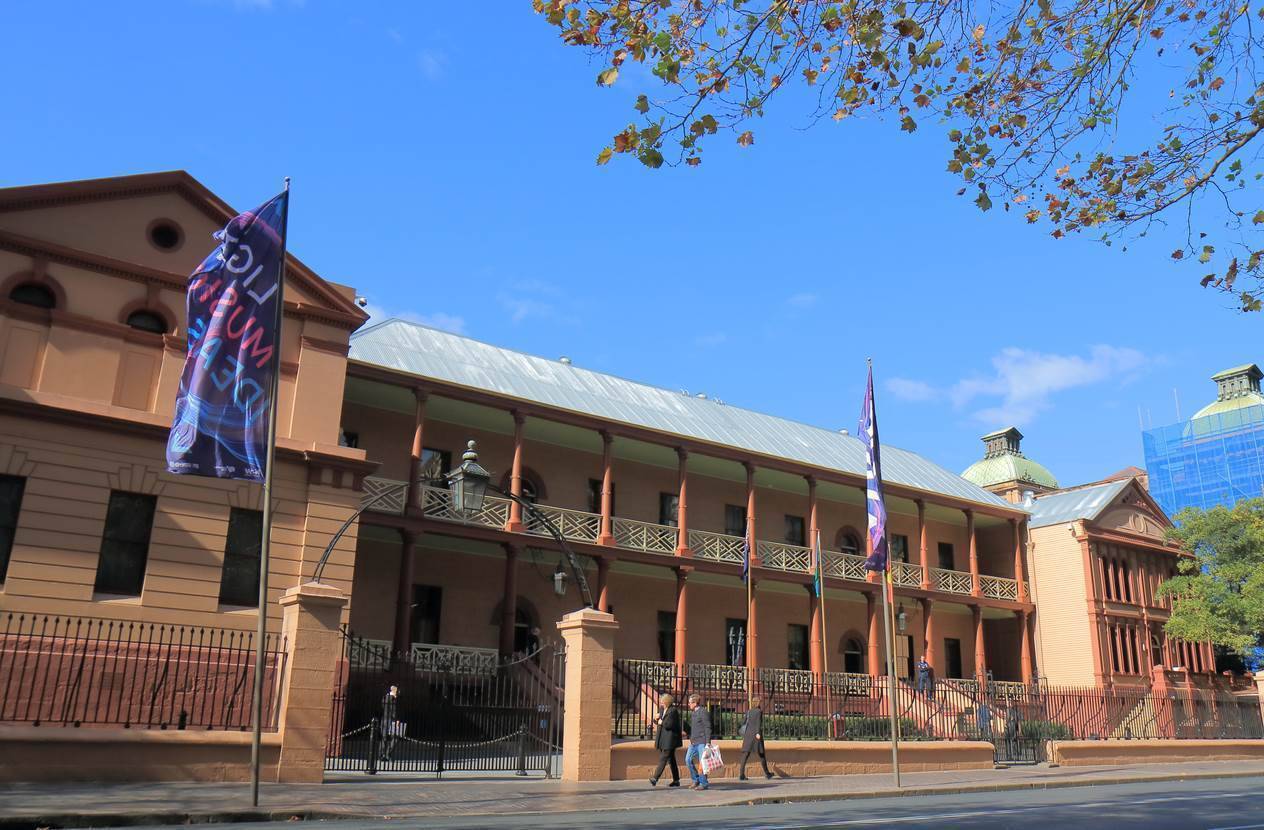
AI Regulation Under Political Pressure as Greens Warn of "Tech Bro Free-for-All"
Australia faces mounting regulatory scrutiny over AI governance. Greens senator Sarah Hanson Young warned the federal government is "sleepwalking" into an AI crisis and creating a "tech bro free-for-all." Independent senator David Pocock separately urged the government to prevent tech companies from using Australian content to train AI models without consent. The government faces accusations of a regulatory retreat as US tech giants plan major Australian AI and data centre investments—signaling that policy uncertainty may shape the infrastructure landscape.
Enterprise & Industry
Australia Inks Five-Year Microsoft Deal for AI and Cloud Adoption Across Federal Government
The Australian Public Service (APS) will gain access to Microsoft's enterprise and cloud stack under a five-year agreement commencing 1 July 2026. The deal includes Microsoft Copilot, Microsoft 365, Azure cloud services, and Dynamics 365, plus security and identity management tools. This marks a significant shift toward centralized cloud infrastructure and AI-assisted productivity across Commonwealth agencies.
Enterprise AI Adoption Accelerating; 82% of Financial and Healthcare Firms Require Sovereign Cloud
Australian enterprises are rapidly embedding AI into operations, with adoption of physical AI expected to exceed 80% within two years. Notably, 82% of Australian financial and healthcare institutions now require on-shore, sovereign cloud infrastructure for data hosting—a non-negotiable requirement driven by regulatory and security concerns. Enterprise AI has evolved from experimental pilots into company-wide transformation programs, with major Australian firms integrating generative AI into core workflows.
Analysis: What This Means
Australia's tech funding market reveals a paradox: while companies like Airwallex command investor attention and scale successfully, the broader startup ecosystem is consolidating around fintech and SaaS, leaving deep-tech and climate-tech founders starved of growth capital. The $465.6M raised this week—almost entirely by a single company—masks a deeper crisis: investor demand for Australian startups significantly exceeds capital availability, particularly for mid-stage founders outside high-profile sectors.
The concentration of global AI funding in North America (nearly 90% of new AI-native startup capital) underscores Australia's structural disadvantage. While the government attempts to position the nation as an AI infrastructure hub via data centre deals and Microsoft partnerships, regulatory uncertainty and the absence of a coherent national AI policy are creating friction. The simultaneous political pressure from both Greens and independent senators suggests the government faces a credibility gap: promising infrastructure investment while appearing reluctant to impose meaningful guardrails around AI training data and model governance.
On the enterprise side, the push toward sovereign cloud and the scale of the Microsoft APS deal signal a strategic recalibration: Australian organizations are deliberately decoupling from global cloud providers for sensitive workloads, even at potential cost. This creates a domestic opportunity for locally-embedded cloud and AI service providers—but only if venture capital can fund their growth before international competitors establish market dominance.
What to Watch Next
-
Microsoft APS transition (1 July 2026): Monitor early adoption metrics and any delays or integration challenges as federal agencies migrate to the new cloud infrastructure. Success here could validate Australia's sovereign cloud strategy and unlock further public-sector AI deals.
-
AI regulation roadmap (federal parliament): Watch for concrete government proposals on AI training data consent and content protection. The mounting political pressure suggests either a policy announcement or continued evasion—either outcome will signal the trajectory for Australia's AI governance framework.
-
Deep-tech funding gap: Track whether the next venture funding rounds (July–August 2026) show capital flowing back to climate-tech, biotech, or hardware startups, or if concentration in fintech persists. A continued drought outside software/fintech would confirm Australia's venture ecosystem is narrowing.
-
Vinted and international marketplace entry: Monitor whether Vinted's quiet Australian launch attracts follow-on international e-commerce platforms and what local regulatory responses emerge around seller protections and payment infrastructure.
Data sources: SmartCompany, iTnews, Forbes Australia, Guardian Australia, ABC News, Computer Weekly, Deloitte, Google for Startups, Funds for Companies
This content was collected, curated, and summarized entirely by AI — including how and what to gather. It may contain inaccuracies. Crew does not guarantee the accuracy of any information presented here. Always verify facts on your own before acting on them. Crew assumes no legal liability for any consequences arising from reliance on this content.
Powered by
