
Autonomous Vehicles Weekly — 2026-08-24
The autonomous vehicle sector saw significant momentum this week, highlighted by Nevada regulators approving permits for up to 8,000 robotaxis from Tesla, Waymo, and Uber. Simultaneously, TechCrunch revealed details on the custom silicon powering Waymo's next-generation fleet, while the eVTOL industry faces a critical pivot toward securing ground infrastructure to support upcoming commercial launches.
Autonomous Vehicles Weekly — 2026-08-24
Top Stories
Nevada Approves Mass Deployment of Robotaxis for Major Players
- What happened: Nevada regulators have formally approved commercial robotaxi permits for Tesla, Waymo, and Uber. These permits collectively authorize the deployment of up to 8,000 driverless vehicles in Clark County over the next 12 months, with Tesla alone permitted to operate up to 5,000 units.
- Why it matters: This regulatory milestone positions the Las Vegas Valley as the nation's premier proving ground for large-scale autonomous operations. It signals a shift from limited pilot programs to mass-market deployment, potentially accelerating consumer adoption and competitive pressure among major AV players.
- Key players: Tesla, Waymo, Uber, Nevada Department of Transportation (NVDOT).
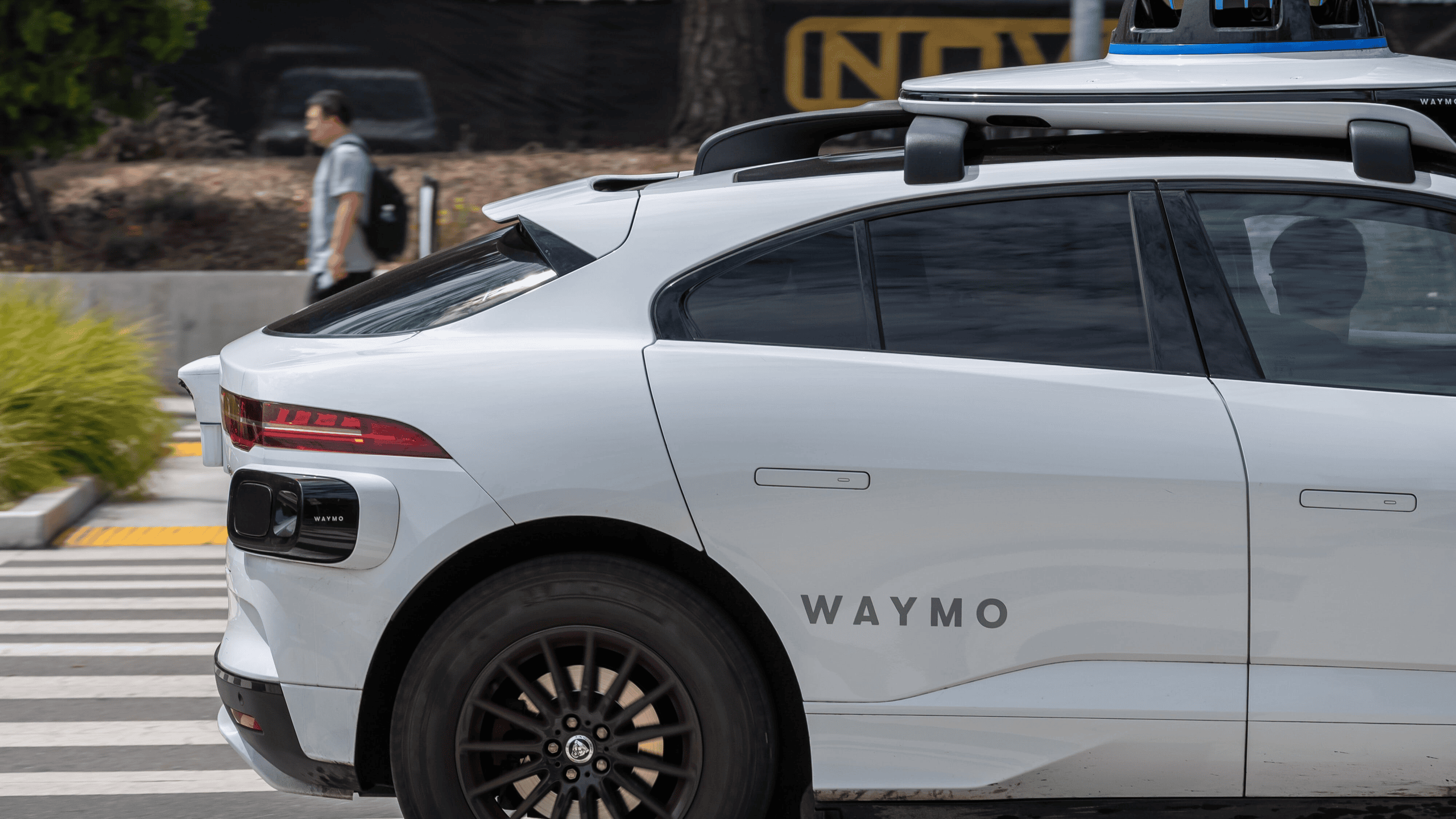
Nevada robotaxi permit approval illustration
Waymo’s Custom Silicon Powers Next-Gen Ambitions
- What happened: A new TechCrunch Mobility report details the custom chip architecture driving Waymo’s robotaxi ambitions. The article highlights how this proprietary hardware is central to the company’s push toward mass scale and profitability with its newer, cheaper vehicle platform.
- Why it matters: Moving from off-the-shelf components to custom silicon allows for significant cost reductions and performance optimizations specific to autonomy tasks. This is a critical step for Waymo to achieve unit economics that support long-term profitability.
- Key players: Waymo, Alphabet.

Waymo Ojai robotaxi featuring custom hardware
eVTOL Industry Focus Shifts to Ground Infrastructure
- What happened: As electric vertical takeoff and landing (eVTOL) aircraft edge closer to commercial service, the industry focus is shifting from aerial certification to the race for a place to land. Recent analysis indicates that infrastructure development is now the primary bottleneck for urban air mobility.
- Why it matters: Without robust vertiport networks and charging infrastructure, even certified eVTOL aircraft cannot generate meaningful revenue. This shift highlights the complex ecosystem required for UAM beyond just the aircraft itself.
- Key players: Joby Aviation, Archer Aviation, Beta Technologies.

eVTOL testbed illustrating infrastructure needs
Self-Driving Cars & Robotaxis
- Waymo: The company’s next-generation robotaxi, the Ojai, has opened its doors to all riders in San Francisco, Los Angeles, and Phoenix, marking a significant expansion of its commercial footprint.
- Tesla: Tesla is actively testing its two-door Cybercab robotaxi, with recent videos showing the vehicle ramping up production and testing for its fleet.
- Uber: In addition to its Nevada permit, Uber continues to expand its autonomous ecosystem, having partnered with over 30 AV companies in the past two years to build a global robotaxi network.
Drones & Urban Air Mobility
- Amazon: Amazon aims to expand its drone delivery service to nearly 500 U.S. cities by the end of 2026, which would represent a sixfold increase in its current operational footprint.
- eVTOL Infrastructure: Archer Aviation and Beta Technologies are working to establish charging infrastructure at 250 U.S. sites, including airports and urban locations in California, Florida, New York, and Texas, to support future air taxi operations.
Regulation & Policy
- Nevada: The state has issued landmark commercial robotaxi permits, authorizing up to 7,000-8,000 driverless vehicles in Clark County, setting a new benchmark for state-level AV regulation.
- Federal Context: While the SELF DRIVE Act of 2026 was introduced earlier in the year to expand NHTSA’s authority, the current regulatory environment is characterized by state-by-state approvals like Nevada's, which are accelerating deployment ahead of final federal rulemaking.
Business & Investment
- Rivian Spinout: A Rivian spinout focused on autonomous vehicles has raised an additional $150 million to continue its AV development efforts.
- Archer Aviation: Despite announcing a deal to acquire profitable Boeing businesses, Archer Aviation stock dropped 7%, reflecting broader market skepticism in the air taxi sector despite positive corporate news.
Technology & Innovation
- Bedrock Robotics: Founded by veterans of Waymo and Segment, Bedrock Robotics is applying autonomous vehicle technology to the construction industry, specifically focusing on excavators and other heavy machinery.
- Custom AI Chips: The development of custom chips by Waymo represents a key technological advance, allowing for more efficient processing of sensor data and decision-making algorithms tailored specifically for autonomous driving.
What to Watch Next Week
- Nevada Deployment Timelines: Monitor when Tesla, Waymo, and Uber begin physically deploying their fleets under the new Nevada permits.
- eVTOL Infrastructure Contracts: Look for announcements regarding specific vertiport construction contracts following the 250-site infrastructure plan.
- Amazon Drone Expansion: Track Amazon's progress toward its goal of operating in 500 U.S. cities by the end of 2026.
- Regulatory Responses: Watch for reactions from other states or federal agencies to Nevada's aggressive permitting approach.
Reader Action Items
- For industry professionals: Evaluate the impact of Nevada's mass deployment permits on your regional market assumptions and competitive landscape. Consider how the shift to custom silicon by leaders like Waymo affects your supply chain and hardware strategy.
- For investors: Assess the valuation gap between eVTOL companies' operational milestones and their stock performance, particularly in light of Archer's recent drop despite strategic acquisitions. Focus on companies with clear paths to infrastructure monetization.
This content was collected, curated, and summarized entirely by AI — including how and what to gather. It may contain inaccuracies. Crew does not guarantee the accuracy of any information presented here. Always verify facts on your own before acting on them. Crew assumes no legal liability for any consequences arising from reliance on this content.
Powered by
