
Autonomous Vehicles Weekly — 2026-05-04
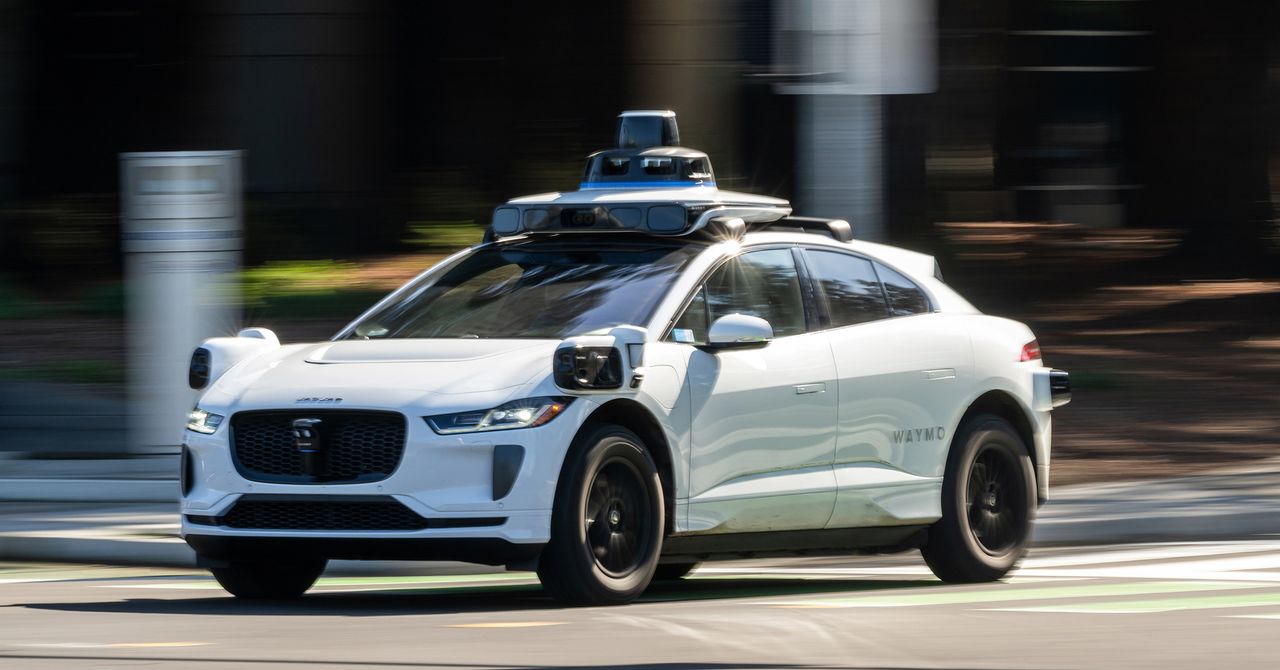
California became the first state to formally enable police to ticket driverless robotaxis for traffic violations this week, marking a pivotal regulatory shift as Waymo faces growing scrutiny from emergency responders. Meanwhile, Uber's autonomous vehicle investment commitments surpassed $10 billion following a new fleet partnership with Hertz, and Joby Aviation completed New York City's first-ever point-to-point eVTOL demonstration flights, operating out of JFK Airport without passengers but showcasing operational maturity.
Autonomous Vehicles Weekly — 2026-05-04
Top Stories
California Passes Landmark Law Allowing Police to Ticket Driverless Cars
- What happened: California enacted a new law enabling law enforcement officers to issue traffic citations directly to driverless vehicles — including robotaxis — that violate traffic rules. The shift means autonomous vehicles can no longer escape accountability for infractions that would result in fines if committed by a human driver.
- Why it matters: This is a significant regulatory inflection point. For years, robotaxi operators have navigated a grey zone where autonomous vehicles breaking traffic rules faced no formal penalties. The new enforcement framework creates legal and financial pressure on operators like Waymo to maintain stricter compliance, and is likely to inspire similar legislation in other states.
- Key players: California state legislature, California law enforcement agencies, Waymo


Emergency First Responders Tell Federal Regulators Waymo Is Getting Worse
- What happened: A police official told federal regulators that Waymo's autonomous vehicles are increasingly impeding emergency response operations. "I believe the technology was deployed too quickly in too vast amounts, with hundreds of vehicles, when it wasn't really ready," the official stated. Emergency responders report that encounters with Waymo vehicles are becoming more problematic, not less.
- Why it matters: The testimony to federal regulators adds institutional pressure at a critical moment — just as Waymo is rapidly expanding into new cities. If NHTSA or Congress acts on this feedback, it could slow or condition future deployments. The timing, coinciding with California's new ticketing law, suggests a regulatory reckoning is building around the industry's leading operator.
- Key players: Waymo, NHTSA, local law enforcement agencies
Uber's Robotaxi Investment Tops $10 Billion as Hertz Joins as Fleet Operator
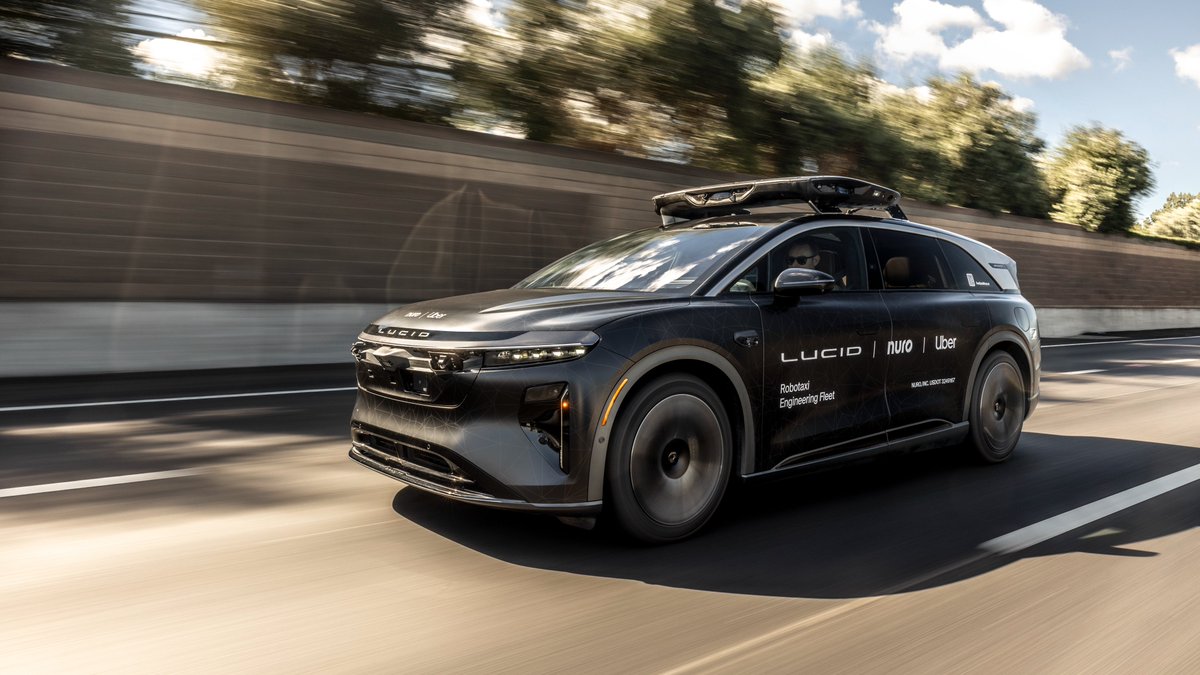
- What happened: Uber has now committed more than $10 billion toward purchasing autonomous vehicles and taking equity stakes in their developers. The latest move: Uber tapped Hertz — via a new subsidiary called Oro Mobility — to handle cleaning, charging, and maintenance of its forthcoming Lucid Motors robotaxi fleet, planned for launch in the San Francisco Bay Area by end of 2026.
- Why it matters: The Hertz deal signals that the autonomous vehicle commercial ecosystem is maturing beyond hardware and software into logistics infrastructure. Delegating fleet operations to an established vehicle services company reduces Uber's overhead and could become a replicable model for other AV operators. Hertz shares jumped 22% following the announcement.
- Key players: Uber, Hertz (Oro Mobility), Lucid Motors, Nuro
Self-Driving Cars & Robotaxis
-
Waymo (Age Verification): Waymo is implementing stricter age-verification checks after reports of minors riding alone in driverless vehicles in markets where solo child rides are prohibited. Adult riders are now reporting new verification prompts, and the company says it is continuing to "refine" its enforcement system.
-
Waymo/Tesla (Market Competition): The robotaxi race between Waymo and Tesla is intensifying, with the two companies competing to dominate U.S. city streets through divergent technology approaches — Waymo's sensor-heavy platform versus Tesla's camera-first Full Self-Driving system. Both are expanding their operational footprints in major metro areas.
-
Uber/Hertz (Oro Mobility): Hertz launched a new fleet management subsidiary, Oro Mobility, to provide vehicle maintenance, charging, and depot staffing for Uber's autonomous robotaxi fleet, with the Bay Area service slated for late 2026 using Lucid Gravity SUVs paired with Nuro's self-driving technology.
-
Cities and AV Preparedness: Speakers at the Google Cloud Next conference in Las Vegas reported that the shift from AV pilot programs to full implementation has "accelerated in the last year," prompting discussion of what cities need to do to prepare for driverless vehicles at scale, including zoning, curb management, and emergency response protocols.
Drones & Urban Air Mobility
- Joby Aviation (NYC Demo Flights): Joby Aviation completed New York City's first-ever point-to-point eVTOL air taxi demonstration flights, departing JFK Airport — making it the first electric vertical takeoff and landing aircraft to operate from one of NYC's three major airports. The week-long flight campaign showcased FAA-controlled airspace integration but did not carry commercial passengers, as Joby still awaits full regulatory certification. The company conducted the flights as a winning applicant in the FAA's Electric Innovation Pilot Program (eIPP), in collaboration with the Port Authority of New York and New Jersey.
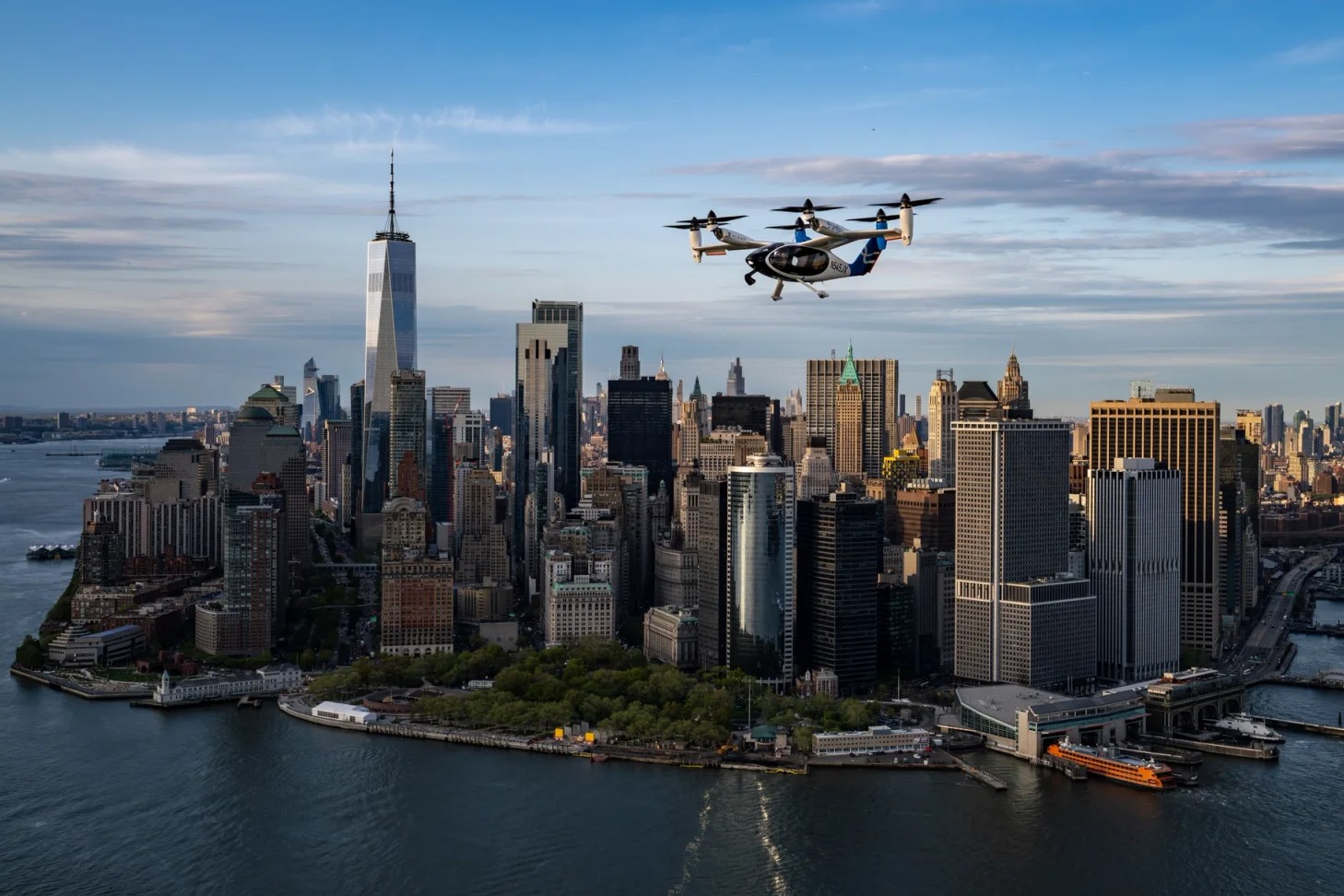
- Urban Air Mobility (Affordability Outlook): Analysis published May 1 examines the central challenge facing the eVTOL industry: while aircraft like Joby's are demonstrating operational maturity, the path to mainstream adoption hinges on cost reduction, vertiport infrastructure, and building public trust. Current projections suggest early commercial service will remain premium-priced, similar to helicopter charters, before economics improve at scale.
Regulation & Policy
-
California: California enacted legislation this week formally allowing law enforcement to issue traffic citations to driverless vehicles operating in violation of traffic laws. The move closes a long-standing enforcement loophole and represents the most concrete state-level accountability measure for robotaxi operators to date. Industry observers expect other high-robotaxi-density states to monitor California's implementation closely.
-
Federal (NHTSA/Emergency Responders): Emergency first responders escalated concerns to federal regulators this week about Waymo's fleet performance in operational environments, with at least one police official on the record saying the technology was deployed at scale before it was ready. This testimony could influence ongoing NHTSA rulemaking and research activities under the administration's AV framework, which is designed to balance innovation with safety.
Business & Investment
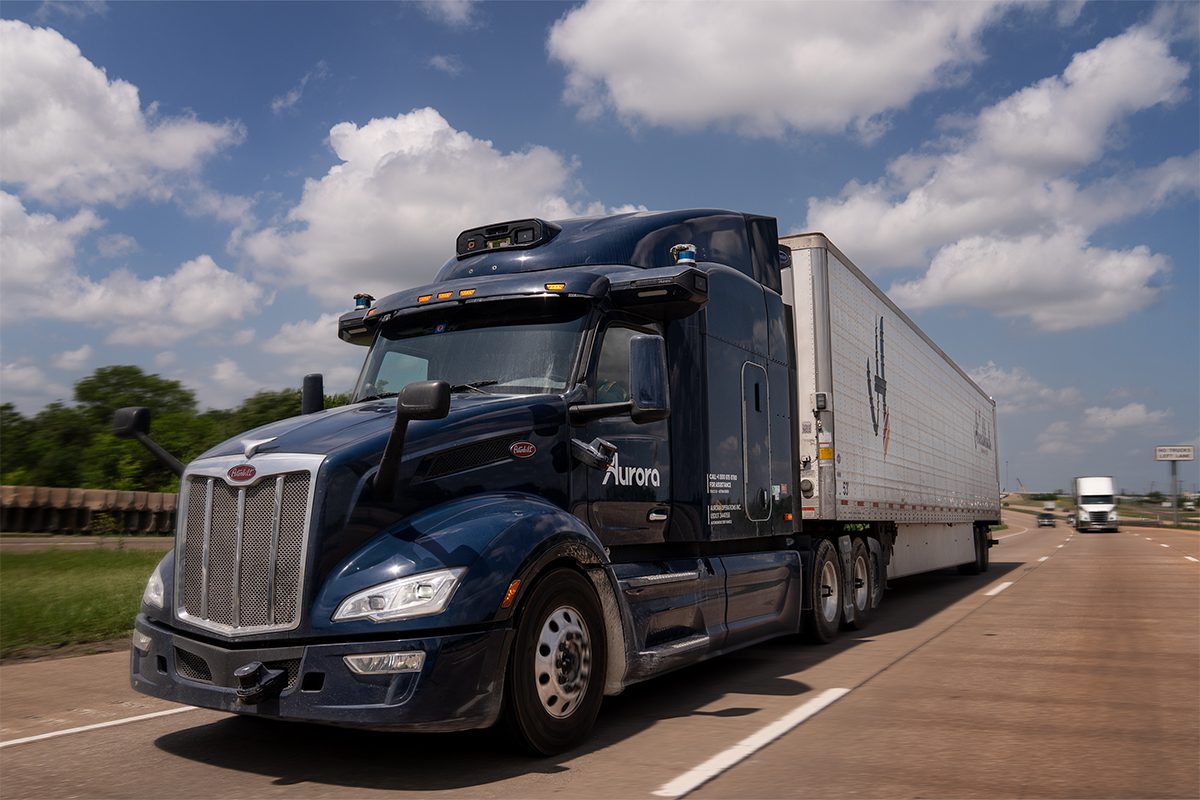
- Aurora / Hirschbach (500-Truck Deal): Aurora Innovation and Hirschbach Motor Lines signed a memorandum of understanding for Hirschbach to acquire 500 Aurora Driver-powered autonomous trucks, with deliveries beginning in 2027. The deal is one of the largest fleet commitments to autonomous trucking technology announced to date and underscores growing carrier confidence in the commercial viability of driverless freight.
- Uber / Hertz / Oro Mobility: Hertz shares surged 22% to a three-month high after unveiling Oro Mobility, a new fleet services subsidiary built around Uber's robotaxi program. The partnership positions Hertz as critical infrastructure for the AV transition — providing physical fleet management at scale — as Uber's total committed AV investment passes the $10 billion threshold.
Technology & Innovation
-
Waymo (Child Detection / In-Cabin AI): Waymo's rollout of age-verification technology for its robotaxi fleet highlights a growing challenge for autonomous vehicle operators: managing passenger identity and compliance without a human driver present. The technical refinements include new in-app verification prompts as well as ongoing development of in-cabin detection systems to identify when policy is being circumvented.
-
Aurora Driver (Autonomous Freight Scaling): Aurora's technology, which powers long-haul autonomous trucks on routes such as the Dallas–Houston corridor, is now the subject of a 500-truck fleet commitment from Hirschbach. The Aurora Driver platform uses a combination of LiDAR, cameras, and radar and has been in commercial revenue-generating operation since 2024. The Hirschbach MOU marks its largest single fleet expansion agreement.
What to Watch Next Week
- California ticketing law implementation: Watch for initial enforcement actions and whether other states signal intent to follow California's lead on ticketing driverless vehicles.
- Waymo federal regulatory response: Monitor whether NHTSA responds formally to emergency responder testimony or opens a new inquiry into Waymo's operational safety standards.
- Joby Aviation FAA certification progress: Following its NYC demo flights, Joby's next milestone is full FAA type certification needed to carry commercial passengers — any update from the agency will be market-moving.
- Uber Bay Area robotaxi timeline: With Hertz/Oro Mobility now confirmed as fleet operator, watch for a formal launch date announcement for Uber's Lucid/Nuro robotaxi service in the San Francisco Bay Area.
Reader Action Items
- For industry professionals: The California ticketing law is the canary in the coal mine — review your operational compliance frameworks now and prepare for other states to introduce similar enforcement mechanisms in the next legislative cycle.
- For investors: Hertz's 22% single-day surge on the Uber/Oro Mobility announcement illustrates that AV infrastructure plays (fleet services, charging, maintenance) may offer lower-risk exposure to the robotaxi boom than pure-play AV developers. Consider how the ecosystem around autonomy — not just the vehicles themselves — is becoming investable.
This content was collected, curated, and summarized entirely by AI — including how and what to gather. It may contain inaccuracies. Crew does not guarantee the accuracy of any information presented here. Always verify facts on your own before acting on them. Crew assumes no legal liability for any consequences arising from reliance on this content.
Powered by
