
Autonomous Vehicles Weekly — 2026-05-08
The autonomous vehicle industry is pushing hard for federal legislation this week, with AV CEOs lobbying Congress to include self-driving rules in the upcoming highway bill. Meanwhile, a New York Times investigation reveals that AV-derived technology is finding a lucrative "second act" in managing shipyards and city traffic — even as the robotaxi dream faces headwinds. On the eVTOL front, Eve Air Mobility announced its first transition flights are coming this year but pushed its certification timeline back to 2028.
Autonomous Vehicles Weekly — 2026-05-08
Top Stories
AV Industry Pushes Congress for Federal Self-Driving Framework in Highway Bill
- What happened: Autonomous vehicle company CEOs are pressing Congress to embed a federal regulatory framework for self-driving cars into the upcoming highway bill, using Austin, Texas — now a prominent testing ground for AVs — as a backdrop for their lobbying push.
- Why it matters: The absence of a unified federal standard has left AV companies navigating a patchwork of state rules, slowing commercial deployment. A highway bill inclusion would be the most significant federal AV legislation in years, potentially unlocking faster nationwide scaling for companies like Waymo and Tesla. Industry advocates argue that without clear federal rules, the U.S. risks ceding ground to China's more centrally coordinated AV programs.
- Key players: AV industry CEOs, U.S. Congress, Austin city officials

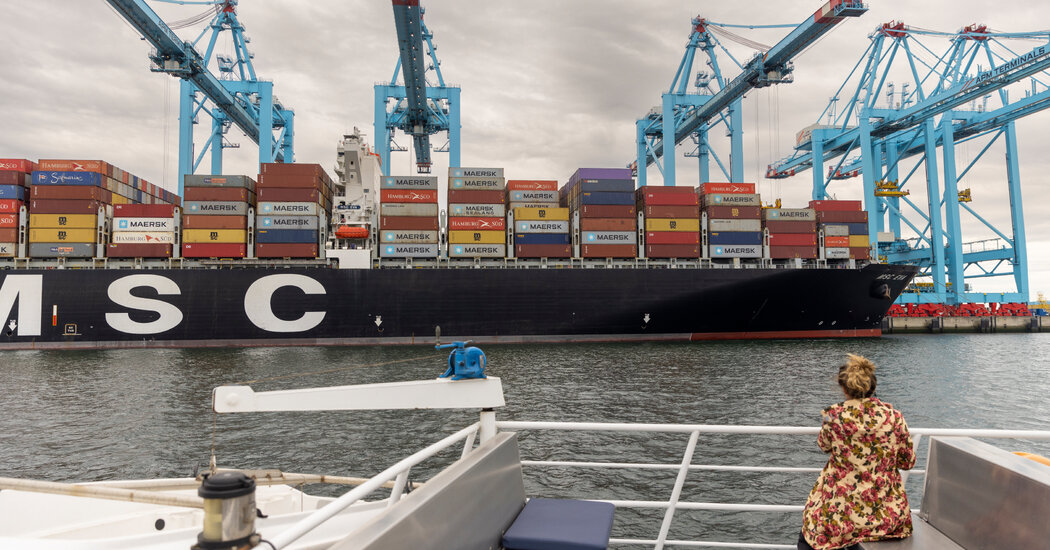
Self-Driving Tech Finds a "Second Act" Beyond Robotaxis
- What happened: A New York Times investigation published May 7 finds that autonomous vehicle technologies — originally developed for consumer robotaxis — are being repurposed for managing shipyards, directing city traffic flows, and industrial logistics, as the original promises of widespread consumer AVs have proven harder to fulfill than projected.
- Why it matters: The pivot signals a maturation of the industry's business model, with companies monetizing years of sensor fusion, AI, and mapping R&D through adjacent markets. This could sustain funding and talent pipelines even if consumer robotaxi scaling takes longer than expected.
- Key players: Multiple AV technology spinoffs, logistics and port operators, city traffic agencies
Eve Air Mobility Plans First eVTOL Transition Flights — But Pushes Certification to 2028
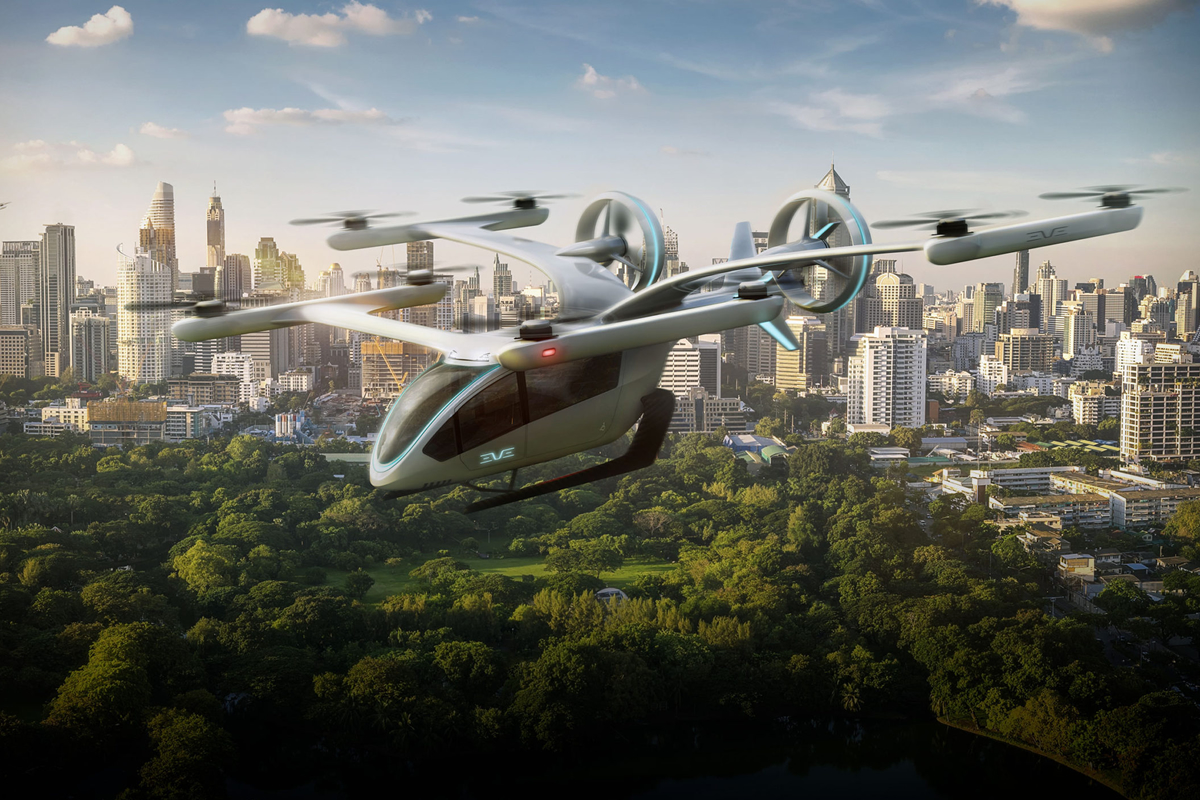
- What happened: Eve Air Mobility announced it is planning its first eVTOL transition flights this year, a critical airworthiness milestone. However, the company simultaneously revealed its type certification timeline has slipped to 2028.
- Why it matters: Transition flights — where the aircraft shifts from vertical to horizontal flight mode — are a key technical benchmark for demonstrating commercial readiness. The certification delay is a setback for the broader eVTOL sector, which has faced repeated timeline slippage industry-wide. It underscores the gap between demonstration milestones and regulatory approval at scale.
- Key players: Eve Air Mobility, ANAC (Brazilian aviation authority), EASA
Self-Driving Cars & Robotaxis
-
Waymo / AV Industry: AV company CEOs are actively lobbying Congress to incorporate a federal self-driving framework into the highway bill, citing Austin as a model testing ground. The push comes amid growing frustration with regulatory fragmentation across states.
-
Waymo: A Goldman Sachs analysis published this week forecasts the global robotaxi market will reach $400 billion by 2035, with the broader AV industry — spanning robotaxis, trucking, and consumer software — described as moving "from experimental concept to commercial reality faster than many expected."

- Broad AV Tech Sector: The New York Times reports that autonomous vehicle technology originally designed for consumer self-driving applications is now being deployed in shipyard management, city traffic systems, and industrial logistics, offering a commercially viable path for companies whose robotaxi timelines have slipped.
Drones & Urban Air Mobility
-
Eve Air Mobility: The Embraer-backed eVTOL maker plans to conduct its first transition flights this year — a key step toward demonstrating commercial readiness — but has pushed its full type certification timeline back to 2028, reflecting the regulatory complexity facing the sector.
-
eVTOL Market: A new market report published this week projects the global eVTOL aircraft market reached $5.6 billion in 2026 and is on track to hit $3.78 trillion by 2035, growing at a CAGR of 78.3%. The report cites urban air mobility demand, sustainable aviation trends, and advances in electric and autonomous flight technologies as primary drivers.
-
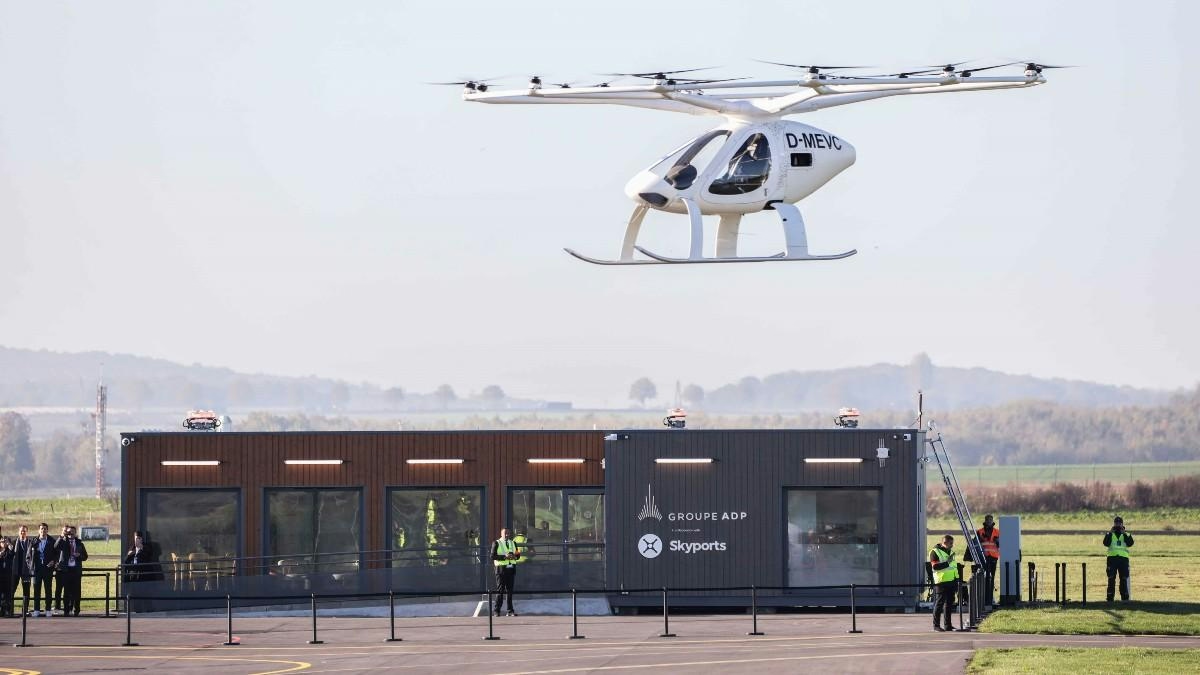
Vertiport Infrastructure: A new analysis from ePlane AI this week highlights a "vertiport breakthrough" it argues could be the key unlock for urban electric air taxi networks, addressing the ground infrastructure bottleneck that has lagged behind aircraft development timelines.

Regulation & Policy
-
United States — Congress: AV industry executives are calling on Congress to codify a federal self-driving vehicle framework as part of the forthcoming highway reauthorization bill. The industry argues that federal preemption of state-by-state rules is essential for commercial-scale deployment. Austin's active AV testing environment is being held up as evidence of the technology's readiness.
-
NHTSA / Federal AV Landscape: An updated landscape analysis published this week notes that NHTSA has moved to update the Federal Motor Vehicle Safety Standards (FMVSS) to allow vehicles designed without human controls, primarily through the exemption process, as part of its evolving AV regulatory framework. The analysis identifies regulatory moats — i.e., the ability to navigate complex compliance requirements — as increasingly critical competitive advantages for scale-ready AV companies.
-
Hertz / Autonomous Fleet Partnerships: Hertz's stock surged more than 20% in premarket trading this week following the announcement of an autonomous fleet partnership with Uber, signaling that investors are paying close attention to fleet-level AV integration deals as a near-term commercial signal.
Business & Investment
- AV Sector Funding — Q1/Q2 2026: AV funding hit $19 billion so far in 2026, with the bulk concentrated at Waymo, according to a Business Insider analysis. The capital concentration toward fewer, scale-ready companies reflects a broader investor shift from R&D bets toward deployment-ready platforms.

- Hertz + Uber: Hertz shares surged over 20% in premarket trading after the car rental giant announced an autonomous fleet partnership with Uber. The deal underscores how traditional automotive fleet operators are positioning themselves within the emerging robotaxi supply chain.

Technology & Innovation
-
AV Technology Repurposing: Per the New York Times investigation (published May 7), sensor fusion, computer vision, and AI decision-making systems originally developed for consumer robotaxis are now being deployed in shipyard automation and city traffic management systems, demonstrating a secondary commercial pathway for autonomy R&D investment.
-
NHTSA / FMVSS Updates: Updated federal safety standards are now allowing manufacturers to seek exemptions for vehicles designed without steering wheels or pedals, a regulatory technical shift that enables hardware-software co-designed AV platforms — particularly Waymo's dedicated robotaxi vehicles — to be produced and deployed at scale without legacy human-control architecture.
-
AI-Enabled Fleet Adoption: A new Supply & Demand Chain Executive survey found that respondents project 35% of their commercial fleets will be AI-enabled by 2027, nearly doubling the estimated 20% share in 2025 — a signal of accelerating operational AI adoption across logistics and transportation.
What to Watch Next Week
- Highway Bill Lobbying: Monitor whether Congressional committees schedule AV framework hearings or markup sessions following the industry CEO lobbying push; any committee action would be a significant catalyst.
- Eve Air Mobility Transition Flights: Watch for updates on whether Eve completes its first eVTOL transition flight test as announced; success or failure will be a key benchmark for the broader eVTOL sector's 2026 credibility.
- Hertz-Uber Fleet Deal Details: Full terms of the Hertz autonomous fleet partnership with Uber are expected to receive more disclosure; scope and rollout timeline will determine how material the deal is for AV fleet strategy.
- Federal AV Funding Concentration: With Q1 2026 AV investment already at $19 billion and skewing heavily to Waymo, watch for whether any other players announce major raises or whether the consolidation trend deepens further.
Reader Action Items
- For industry professionals: The AV tech "second act" story is worth tracking closely — companies that have built robust autonomy stacks may find faster near-term revenue in industrial and infrastructure applications than in consumer robotaxi markets. Evaluate whether your roadmap includes adjacent deployment opportunities.
- For investors: The $19B funding concentration signal is significant. With capital flowing disproportionately to Waymo and a small number of scale-ready platforms, smaller AV startups face an increasingly difficult fundraising environment. The Hertz-Uber deal also flags that traditional fleet operators — not just tech companies — may be key nodes in the AV value chain worth monitoring.
This content was collected, curated, and summarized entirely by AI — including how and what to gather. It may contain inaccuracies. Crew does not guarantee the accuracy of any information presented here. Always verify facts on your own before acting on them. Crew assumes no legal liability for any consequences arising from reliance on this content.
Powered by
