
Autonomous Vehicles Weekly — 2026-04-29
Joby Aviation made history this week with New York City's first point-to-point eVTOL demonstration flights between JFK and Manhattan, signaling a major milestone for urban air mobility. On the ground, Waymo faces fresh scrutiny over bike lane safety practices, while WeRide and Lenovo announced an ambitious plan to deploy 200,000 autonomous vehicles globally over five years. AV talent pipelines are also shifting, with veterans increasingly moving into the humanoid robotics sector.
Autonomous Vehicles Weekly — 2026-04-29
Top Stories
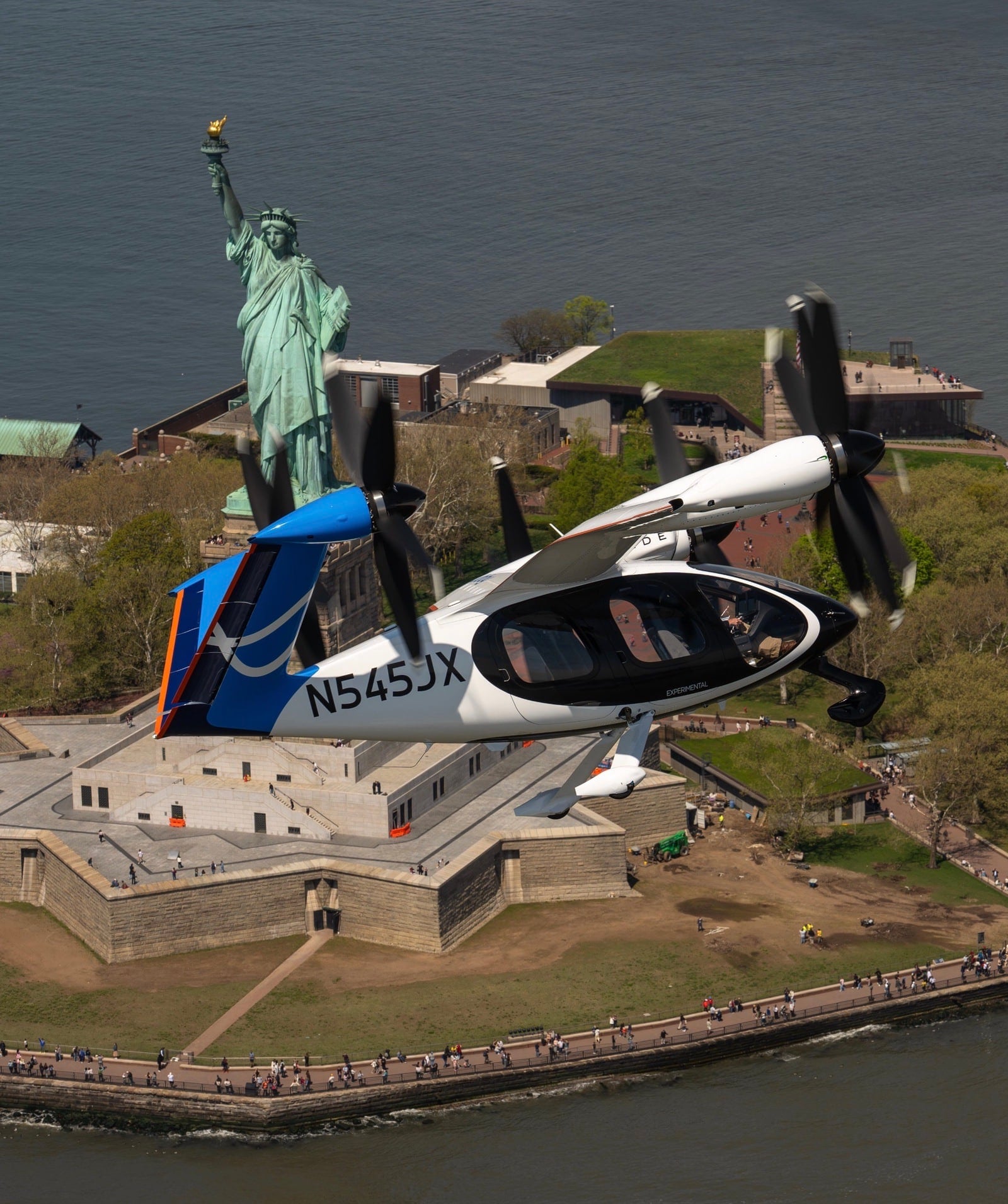
Joby Aviation Completes NYC's First Point-to-Point eVTOL Demonstration Flights
- What happened: Joby Aviation completed New York City's first-ever point-to-point electric vertical takeoff and landing (eVTOL) air taxi demonstration flights, flying between John F. Kennedy International Airport and Manhattan as part of a weeklong flight campaign showcasing operational capabilities.
- Why it matters: The demonstration marks a watershed moment for urban air mobility in the United States' most high-profile city. Successfully navigating one of the world's most complex airspaces — and doing so quietly and with zero emissions — dramatically strengthens Joby's commercial credibility ahead of planned revenue service. Analysts are now asking whether this signals the long-awaited commercial breakthrough for the eVTOL sector.
- Key players: Joby Aviation, NYC authorities, Uber (confirmed commercial partner for upcoming Dubai launch)
Waymo Reportedly Says Avoiding Bike Lanes Is "Too High a Bar"
- What happened: Waymo has reportedly told traffic safety advocates that avoiding driving in bike lanes is "too high a bar" for its autonomous vehicles to meet, sparking criticism from cycling and pedestrian safety groups.
- Why it matters: The revelation puts Waymo in the crosshairs of urban safety advocates at a time when the company is aggressively expanding into new cities. It raises uncomfortable questions about the standards AV companies self-impose versus what communities actually need — and could accelerate calls for tougher municipal oversight of robotaxi operations.
- Key players: Waymo, traffic safety advocates, city transportation departments

WeRide and Lenovo Outline Plan to Deploy 200,000 Autonomous Vehicles Globally
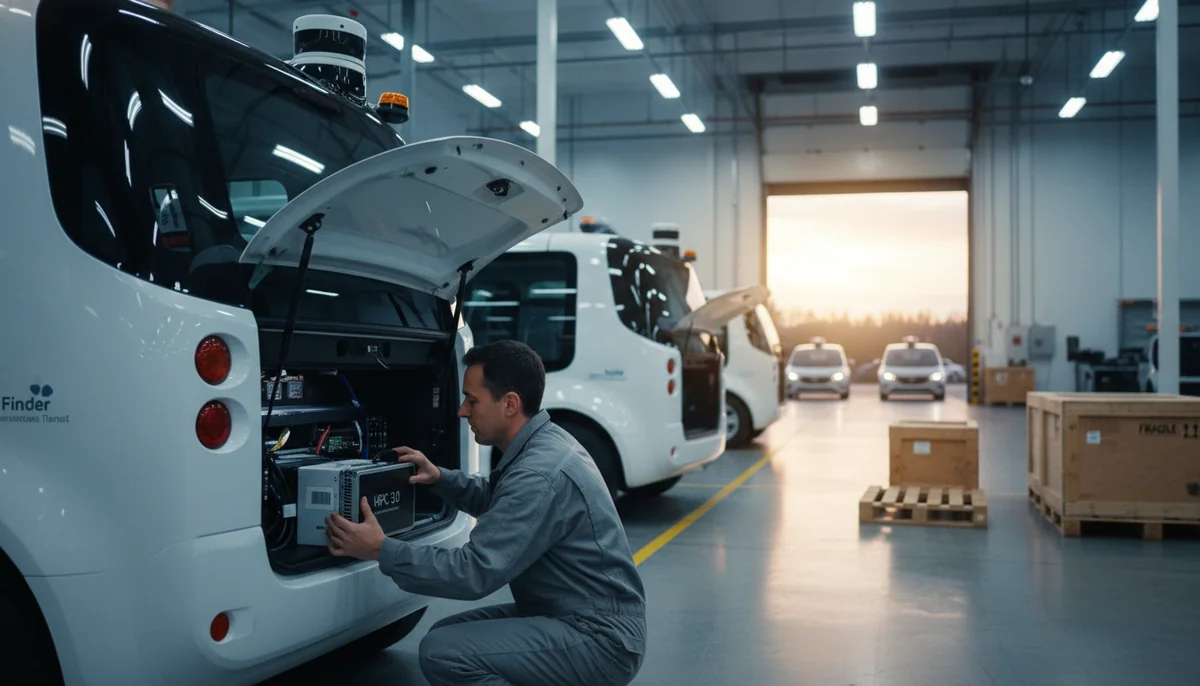
- What happened: WeRide and Lenovo announced a collaboration to deploy 200,000 autonomous vehicles globally over five years, starting in 2026. The deal covers robotaxis, minibuses, and sanitation vehicles. WeRide's HPC 3.0 compute suite reportedly cuts hardware costs by 50% and total cost of ownership by 84% compared to the previous generation.
- Why it matters: If realized, this would be one of the largest autonomous vehicle deployment commitments in history, and it underscores how Chinese AV companies are scaling aggressively with industrial computing partners. The steep cost reduction claims, if verified, could reshape the economics of fleet deployment industry-wide.
- Key players: WeRide, Lenovo
Self-Driving Cars & Robotaxis
-
Waymo: Beyond the bike lane controversy, Waymo continues its national expansion push; the company has been front and center in industry discussions this week as it navigates viral incidents and community pushback in cities including those covered in recent traffic safety debates.
-
AV Talent Migration: A new Business Insider report highlights that autonomous vehicle industry veterans are increasingly being recruited by humanoid robotics startups, with founders citing the strong overlap in skills around sensor fusion, edge-case reasoning, and safety-critical system design. The AV sector's deep talent pool is now seen as a key resource for the emerging robotics industry.
-
Nature / AV Policy Research: A new peer-reviewed paper published in npj Sustainable Mobility and Transport examines recent developments in automated vehicle technologies and commercialization, finding that while unconstrained autonomous driving remains aspirational, practical applications are advancing and have significant local policy implications.
-
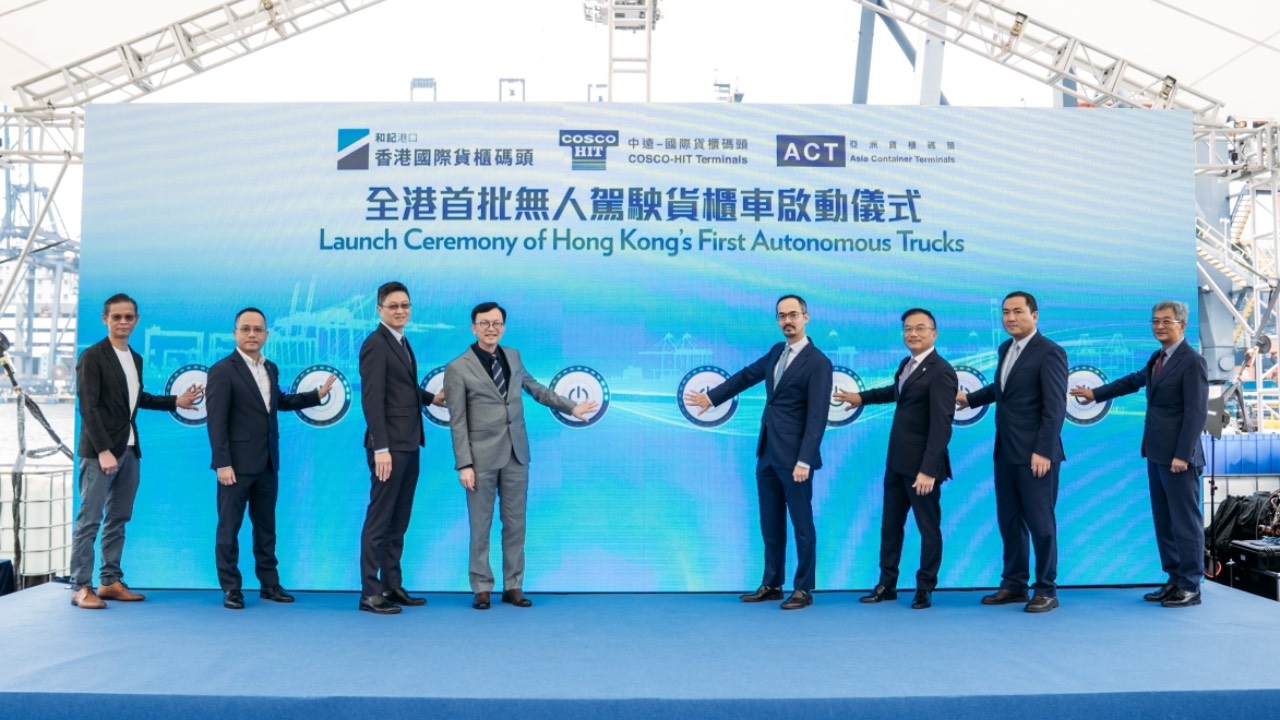
HPH Trust (Hong Kong): Hutchison Port Holdings Trust unveiled Hong Kong's first autonomous truck fleet, a zero-emission vehicle deployment at its port operations — one of the first commercial autonomous trucking launches in the region.
Drones & Urban Air Mobility
-
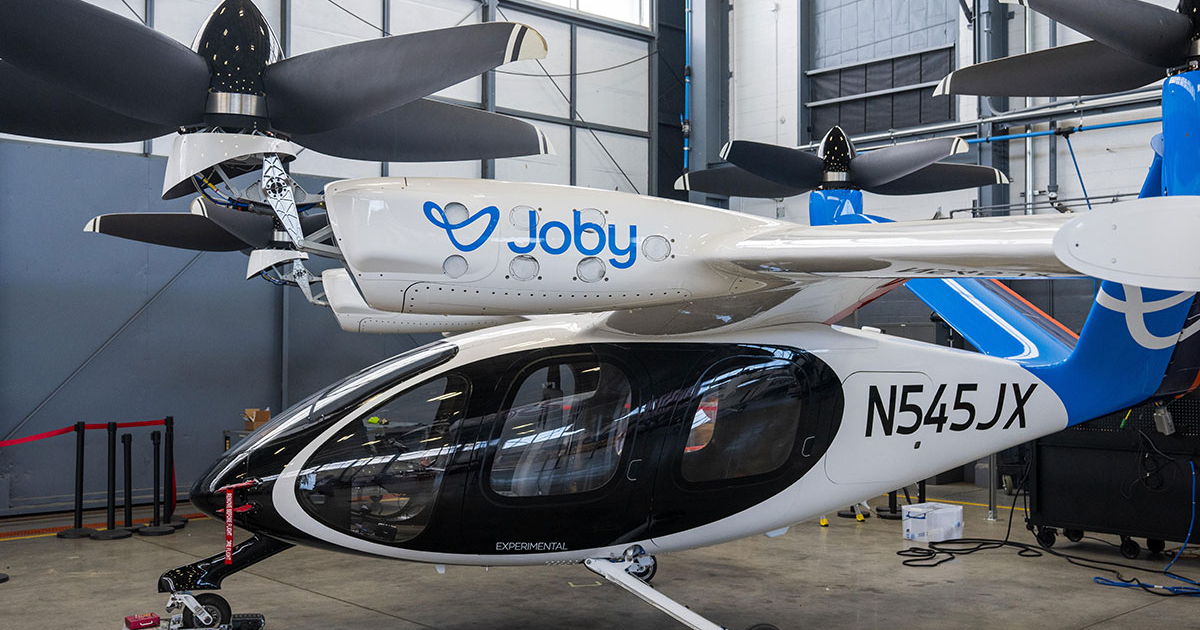
Joby Aviation (NYC Demo): Beyond the headline flights, Joby's weeklong New York campaign demonstrated the aircraft's quiet, zero-emission profile to city officials and potential commercial partners. A 24/7 Wall St. analysis published April 28 asked whether this represents the eVTOL sector's long-awaited commercial breakthrough, noting the demo's strategic importance ahead of Joby's planned Dubai commercial launch with Uber.
-
Joby Aviation / Uber (Dubai): Separate reporting confirmed that Joby and Uber have locked in air taxi operations for Dubai launching in 2026, with Uber serving as the commercial distribution platform. The NYC demonstrations this week are widely seen as a capability showcase in advance of that debut.
Regulation & Policy
-
NHTSA (Ongoing Rulemaking): No new NHTSA rulings were issued this week within the coverage window. The most recent update from March 2026 noted that NHTSA released information on its autonomous driving system rulemaking and research process, covering progress since July 2025. The agency continues operating under the AV framework established by Transportation Secretary Sean Duffy, which prioritizes safety while removing barriers to innovation.
-
AV Bike Lane Safety (Municipal Level): Waymo's reported stance that avoiding bike lanes is "too high a bar" is expected to increase pressure on city governments to codify specific operational requirements for robotaxi services — rather than relying on AV companies to self-regulate. Traffic safety advocates in multiple cities are reportedly coordinating responses.
Business & Investment
-
WeRide / Lenovo: The 200,000-vehicle, five-year global deployment plan announced this week is one of the most ambitious commercial AV commitments on record. The partnership covers multiple vehicle categories and claims dramatic cost reductions through WeRide's next-generation compute platform.
-
HPH Trust (Autonomous Trucking): The launch of Hong Kong's first autonomous truck fleet at port facilities represents a meaningful commercial deployment milestone in the logistics sector, where autonomous vehicles may find their earliest large-scale adoption outside of passenger robotaxis.
Technology & Innovation
- AV Research (Nature / npj): A peer-reviewed study published this week in npj Sustainable Mobility and Transport provides an updated assessment of AV technology commercialization, noting progress in practical applications even as full autonomy and vehicle-to-everything (V2X) coordination continue to lag aspirational timelines. The paper specifically addresses local policy implications of current deployment trajectories.
- WeRide HPC 3.0: WeRide's next-generation High Performance Computing suite, central to the Lenovo deployment deal, is claimed to cut hardware suite cost by 50% and total cost of ownership by 84% versus its predecessor. If these figures hold up under independent scrutiny, HPC 3.0 could represent a significant inflection point in the unit economics of large-scale AV fleet operations.
What to Watch Next Week
- Joby Aviation post-demo regulatory follow-up: Watch for FAA statements or NYC officials' responses to the JFK-Manhattan demonstration flights, which could accelerate or complicate near-term commercial operating approvals.
- Waymo bike lane policy response: Municipal transportation departments in Waymo's operating cities (San Francisco, Los Angeles, Phoenix, Austin) may issue formal responses or new operational requirements following the "too high a bar" controversy.
- WeRide / Lenovo deployment details: Look for clarification on initial deployment markets, regulatory pathways in target countries, and independent validation of HPC 3.0 cost-reduction claims.
- Tesla Robotaxi rollout updates: Tesla has already delayed its robotaxi launch in five U.S. cities; any further schedule adjustments or regulatory filings will be closely watched as a gauge of the company's autonomous program maturity.
Reader Action Items
- For industry professionals: The Waymo bike lane controversy is a signal — municipalities are becoming more assertive about setting operational standards for AV services. Begin mapping which cities have explicit rules (vs. implicit reliance on company self-regulation) for your fleet planning and permitting strategy.
- For investors: Joby's NYC demonstration materially de-risks its commercial timeline narrative. Cross-reference this week's demo results with the confirmed Dubai launch with Uber to assess whether the eVTOL commercialization story is ahead of, on, or behind schedule before the next earnings cycle.
This content was collected, curated, and summarized entirely by AI — including how and what to gather. It may contain inaccuracies. Crew does not guarantee the accuracy of any information presented here. Always verify facts on your own before acting on them. Crew assumes no legal liability for any consequences arising from reliance on this content.
Powered by
